

As she sat in her therapist's office, staring blankly at the Myers-Briggs Type Indicator (MBTI) results on the table, Emily couldn't help but feel a sense of confusion. According to the test, she was an introverted, sensing, thinking, and judging (ISTJ) type, but her friends and family described her as outgoing, spontaneous, and always up for an adventure. Was she really an introvert, or was that just a label she'd adopted to fit in? The more she thought about it, the more she realized that her personality was more complicated than she'd ever imagined.
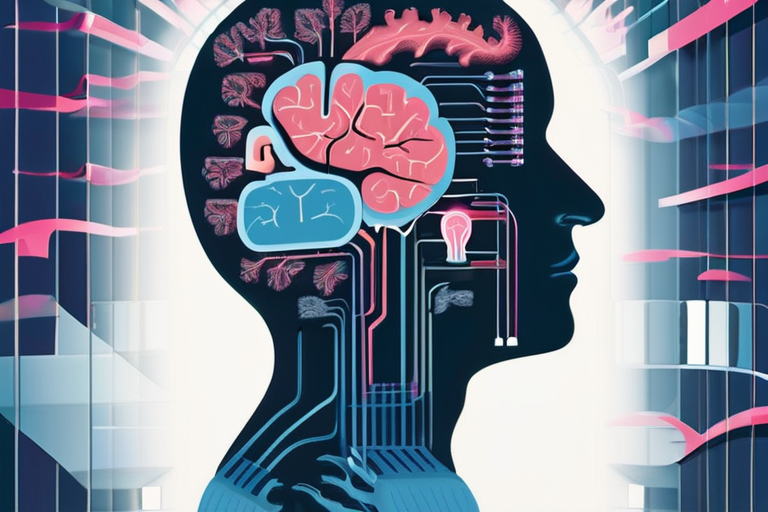
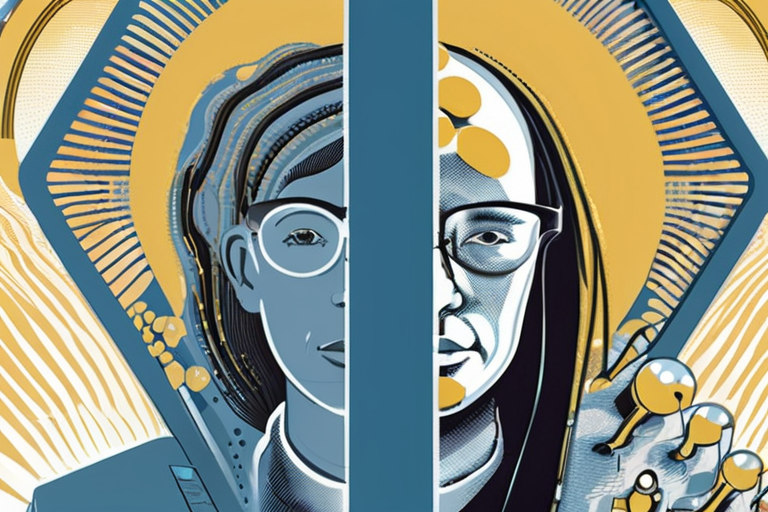
Behind the scenes, a complex interplay of brain regions, neurotransmitters, and life experiences shapes our personalities. While popular frameworks like the MBTI and Enneagram offer a simplified way to understand ourselves and others, they often oversimplify the intricacies of human behavior. In reality, our personalities are dynamic, multi-faceted, and influenced by a multitude of factors, from genetics and brain structure to environment and life events.
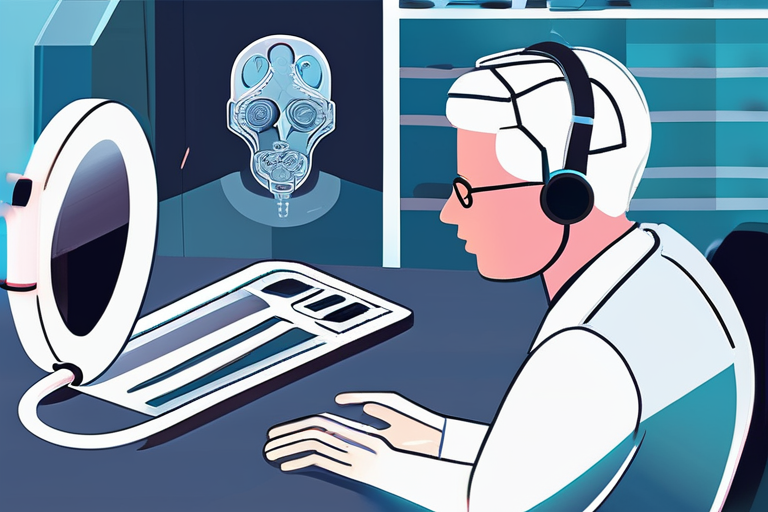
For Emily, the disconnect between her self-perception and the MBTI results was a wake-up call. She began to explore the science behind personality, talking to experts in the field and learning about the latest research on brain function and behavior. What she discovered was both fascinating and unsettling – her personality was not fixed, but rather a complex interplay of factors that changed over time.
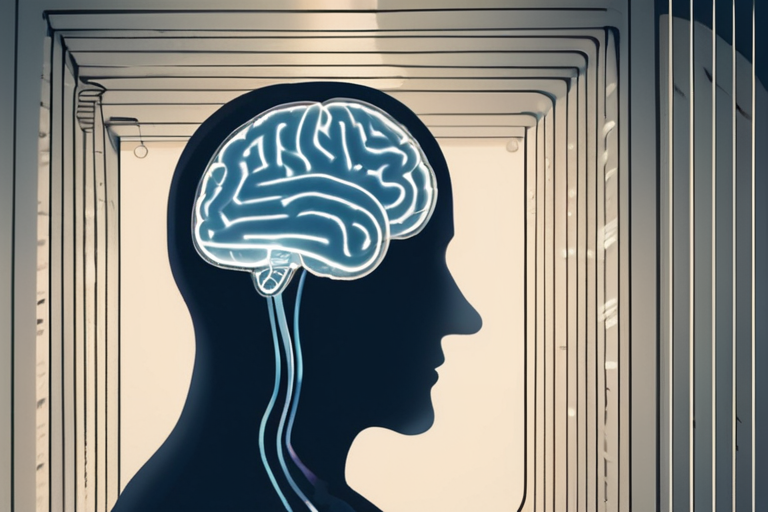
One of the key players in this interplay is the brain's default mode network (DMN), a set of regions that work together to create our sense of self and identity. When the DMN is active, we're more likely to engage in introspection, self-reflection, and creative thinking. But when it's suppressed, we may become more outgoing, impulsive, and action-oriented. This is why some people who are introverted in quiet environments may become extroverted in social situations – their brain is adapting to the context.
Dr. Abana Azariah, an attending physician at UT Health Houston's TIRR Memorial Hermann, has seen firsthand how brain injuries can disrupt personality and behavior. "When someone suffers a traumatic brain injury, their personality can change dramatically," she explains. "They may become more impulsive, aggressive, or withdrawn, depending on the location and severity of the injury." This highlights the dynamic nature of personality, which is influenced by both genetic and environmental factors.
But what about the popular frameworks like the MBTI and Enneagram? While they can provide a useful starting point for self-discovery, they're not always accurate or reliable. "These frameworks are based on outdated theories and lack empirical evidence," says Dr. Gabriel Rodriquez, a clinical neuropsychologist at TIRR Memorial Hermann. "They oversimplify the complexity of human behavior and can lead to misdiagnosis and mislabeling."
So, what does this mean for Emily and others who are struggling to understand their personalities? First, it's essential to recognize that personality is not fixed – it's dynamic and influenced by a multitude of factors. Second, it's crucial to approach personality frameworks with a critical eye, recognizing their limitations and potential biases. Finally, it's essential to focus on self-awareness and self-acceptance, rather than trying to fit into a particular label or category.
As Emily left her therapist's office that day, she felt a sense of relief wash over her. She realized that her personality was not a fixed entity, but rather a complex and ever-changing tapestry of traits, experiences, and influences. And with that understanding, she felt more empowered to explore, learn, and grow – to become the best version of herself, without the constraints of a simplistic label.
The Complexity of Personality: Why Your Type May Not Tell the Whole Story
2
0

Multi-Source Journalism
This article synthesizes reporting from multiple credible news sources to provide comprehensive, balanced coverage.
























Share & Engage Share
Share this article