

Breaking News: Scientists Reassess Human Body's Response to Extreme Temperatures
Researchers worldwide are revising guidelines on when extreme temperatures become deadly, as new studies reveal the complexities of human body's response to heat and cold. According to a recent report, scientists hope to prevent deaths from climate change by better understanding the limits of human endurance. The findings indicate that heat and cold are more complicated than previously thought, and their effects can vary greatly depending on individual factors.
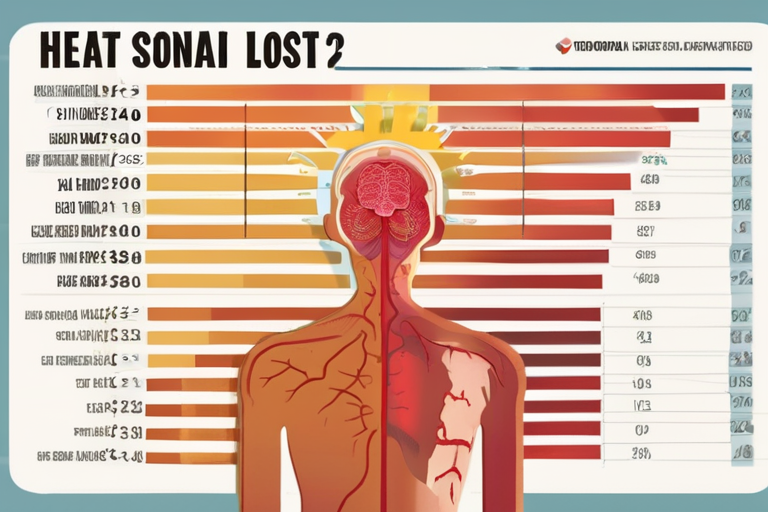
The World Health Organization (WHO) and other global health authorities have been working closely with researchers to update their guidelines on heat and cold exposure. The new data suggests that the current thresholds for heat-related illnesses and deaths may be too simplistic and do not account for individual differences in body temperature regulation. For instance, a study published in the journal Nature found that some people can tolerate temperatures above 40°C (104°F) without experiencing heat-related illnesses, while others may succumb to heatstroke at temperatures as low as 35°C (95°F).
The immediate impact of these findings is being felt in the medical community, where healthcare professionals are being trained to recognize the subtle signs of heat and cold-related illnesses. The revised guidelines are expected to be implemented in the coming months, with a focus on developing targeted interventions to prevent heat-related deaths, particularly in vulnerable populations such as the elderly and young children.
The quest to understand human body's response to extreme temperatures dates back to the early 20th century, when scientists first began to study the effects of heat and cold on the human body. However, it wasn't until the 1990s that researchers began to appreciate the complexity of human thermoregulation, and the many factors that influence an individual's ability to withstand extreme temperatures.
As the world continues to grapple with the challenges of climate change, scientists are racing to develop new technologies and strategies to mitigate the effects of extreme temperatures. In the coming months, researchers will be working closely with policymakers and healthcare professionals to implement the revised guidelines and develop targeted interventions to prevent heat-related deaths. The ultimate goal is to create a more resilient and adaptable human population, better equipped to withstand the challenges of a rapidly changing climate.
Scientists Redefine Deadly Temperatures as Body's Response to Heat Revealed
1
0

Multi-Source Journalism
This article synthesizes reporting from multiple credible news sources to provide comprehensive, balanced coverage.






















Share & Engage Share
Share this article