

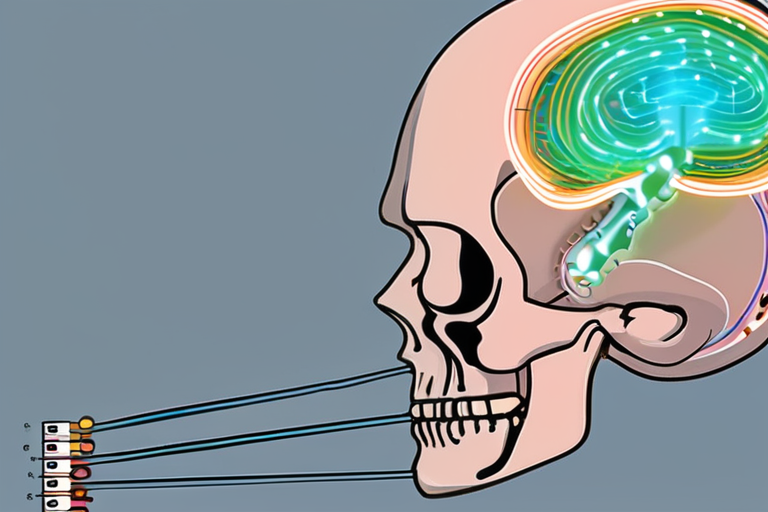
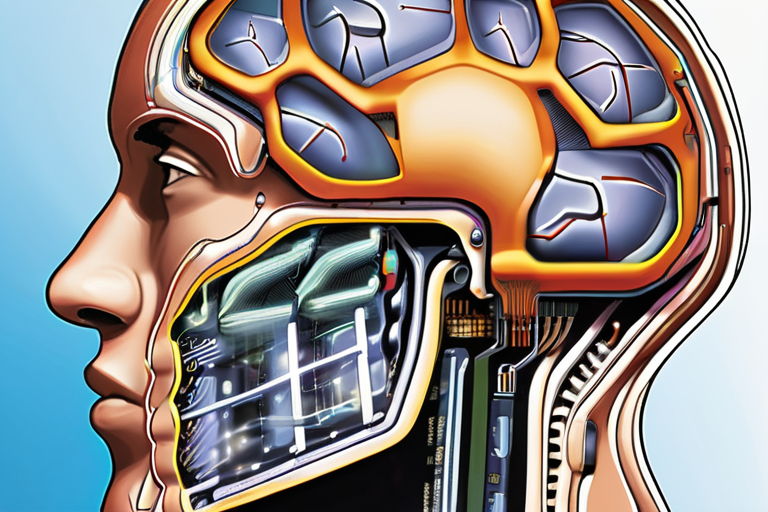
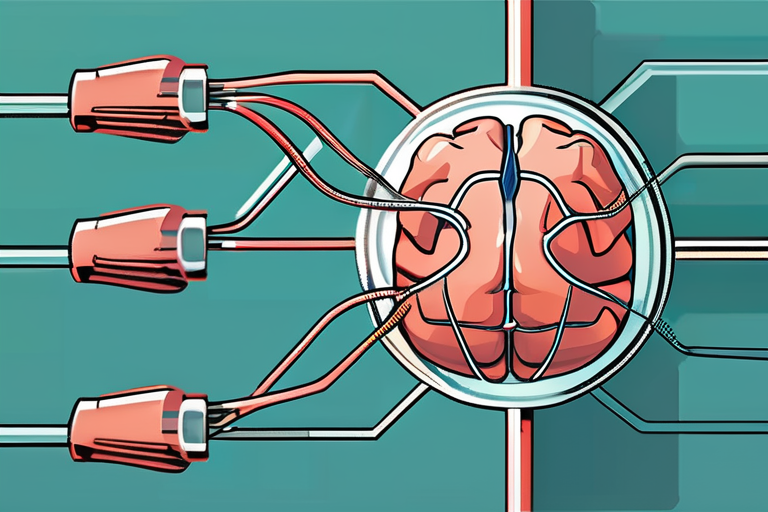
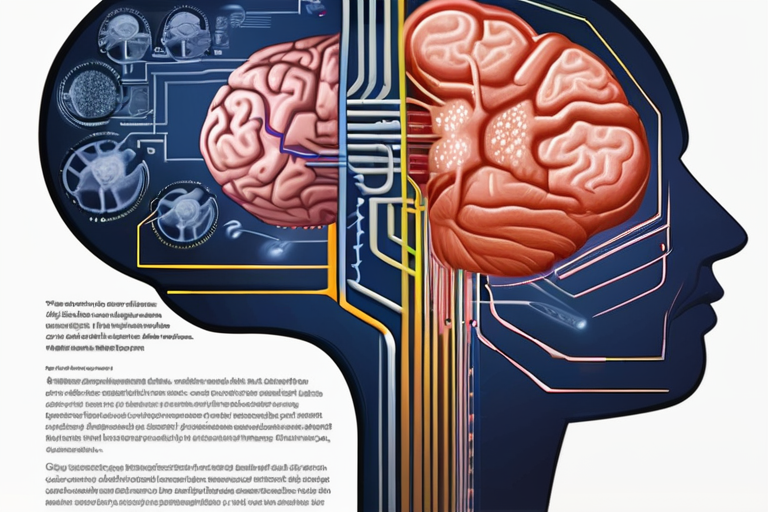
Researchers at Northwestern University have successfully developed a fully implantable, wireless device that sends light-based messages directly to the brain, paving the way for next-generation prosthetics and new therapies. The device, which uses up to 64 micro-LEDs to create complex neural patterns, has been tested on mice, with the animals learning to interpret these artificial patterns as meaningful signals, even without touch, sight, or sound.
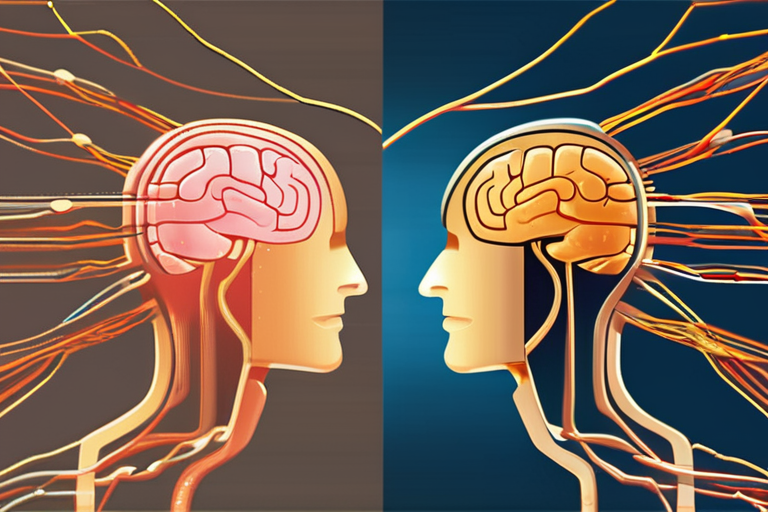
According to Dr. Mingzheng Wu, lead researcher on the project, the device works by bypassing traditional sensory routes in the body and instead transmitting information directly to the brain through light. "This technology has the potential to revolutionize the way we interact with the world," Dr. Wu said. "Imagine being able to control a prosthetic limb with just a thought, or being able to restore vision to individuals who have lost it due to injury or disease."
The device is a significant advancement in the field of neurobiology and bioelectronics, and has been years in the making. Dr. Wu and his team have been working on the project since 2018, and have made several breakthroughs along the way. "We've been able to develop a system that is not only wireless, but also fully implantable, and can be controlled remotely," Dr. Wu explained.
The implications of this technology are far-reaching, and have the potential to impact a wide range of fields, from medicine to engineering. "This technology could be used to develop new treatments for a variety of conditions, including paralysis, blindness, and deafness," said Dr. Robert Sapolsky, a neuroscientist at Stanford University. "It could also be used to develop new prosthetic limbs that are controlled by the user's thoughts, rather than by muscle signals."
The device is still in the experimental stages, and more research is needed before it can be tested on humans. However, the results so far are promising, and suggest that this technology could be a game-changer in the field of neurobiology and bioelectronics. As Dr. Wu noted, "We're just beginning to scratch the surface of what's possible with this technology, and we're excited to see where it will take us."
In addition to its potential medical applications, the device also raises interesting questions about the nature of perception and consciousness. "If we can create artificial sensations in the brain, what does that say about the nature of reality?" asked Dr. Sapolsky. "Is it possible that our perceptions of the world are not entirely based on sensory input, but rather on a complex interplay of neural signals?"
The research team at Northwestern University is continuing to work on the device, and is exploring its potential applications in a variety of fields. As Dr. Wu noted, "We're just beginning to explore the possibilities of this technology, and we're excited to see where it will take us."
Researchers Develop Implant That Sends Light-Based Signals Directly to the Brain
1
0
Multi-Source Journalism
This article synthesizes reporting from multiple credible news sources to provide comprehensive, balanced coverage.











Share & Engage Share
Share this article