

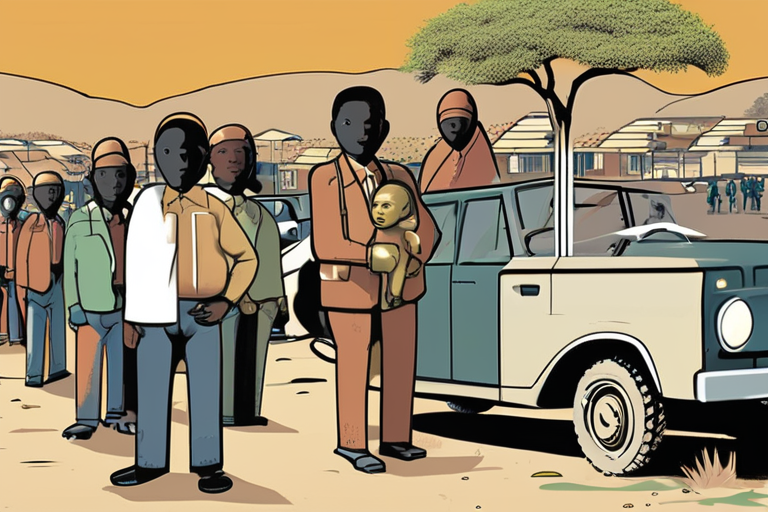
Researchers at the University of Johannesburg, led by geologist and lecturer Tebogo Makhubela, have made significant strides in local research, leading to new discoveries in the field of geology. Makhubela, who has been working at the Cradle of Humankind, a complex system of limestone caves with the world's highest concentration of ancient human fossils, has shifted the focus from relying on international researchers to local expertise.
According to Makhubela, prior to 2013, geology research at the Cradle of Humankind was primarily conducted by international researchers from the United States, Australia, and France. These researchers would typically spend a week mapping sections of caves where fossils were excavated, collecting samples, and then conducting analyses abroad. However, Makhubela's team has been working to change this dynamic, with a focus on local research and analysis.
"We realized that we were missing out on opportunities to contribute to the field of geology simply because we were relying on others to do the work for us," Makhubela said in an interview. "By taking ownership of our research and conducting it locally, we can not only improve the quality of our findings but also create opportunities for local students and researchers to gain hands-on experience."
Makhubela's team has been working at four sites in the Cradle of Humankind, including the Rising Star Cave, which was mined heavily from the early 1900s until the late 1940s. Researchers typically look for blocks of rock that have been exposed through mining, which can provide valuable insights into the geological history of the area.
The shift towards local research has not only improved the quality of findings but also created opportunities for local students and researchers to gain hands-on experience. According to Makhubela, this has led to a surge in interest in geology among local students, with many now pursuing careers in the field.
The implications of this shift are significant, not only for the field of geology but also for society as a whole. By conducting research locally, researchers can better understand the geological context of their findings, which can inform decision-making on issues such as land use, mining, and conservation.
As Makhubela's team continues to make new discoveries, they are also working to share their findings with the broader scientific community. "We believe that our research has the potential to make a significant impact on our understanding of the geological history of the Cradle of Humankind," Makhubela said. "We are excited to share our findings with the world and to continue to contribute to the field of geology."
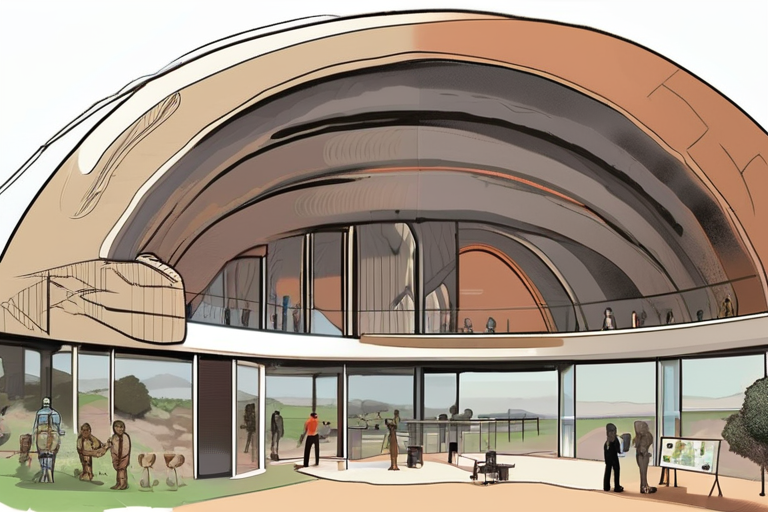
The Cradle of Humankind is a UNESCO World Heritage Site, and the research conducted by Makhubela's team is helping to shed new light on the geological history of this important site. As the team continues to work on new projects, they are also working to engage with local communities and to share their findings with the broader public.
In addition to the research being conducted by Makhubela's team, there are also efforts underway to develop new technologies that can aid in the analysis of geological samples. For example, researchers are working on developing new techniques for analyzing rock samples using artificial intelligence and machine learning algorithms.
These developments have the potential to revolutionize the field of geology, enabling researchers to analyze large datasets more quickly and accurately. As Makhubela's team continues to make new discoveries, they are also working to stay at the forefront of these technological advancements.
The Cradle of Humankind is a complex system of limestone caves that has the world's highest concentration of ancient human fossils. Located about 50 kilometers northwest of Johannesburg, South Africa, the site is a treasure trove of geological and paleontological information. As Makhubela's team continues to work on new projects, they are also working to share their findings with the broader scientific community and to engage with local communities.
Local Researchers Uncover Hidden Secrets in the Cradle of Humankind
1
0
Multi-Source Journalism
This article synthesizes reporting from multiple credible news sources to provide comprehensive, balanced coverage.





















Share & Engage Share
Share this article