

Climate change is causing rising sea levels, threatening the very existence of islands like Madagascar. This is a stark reminder of the urgent need for action to protect these ecosystems and the species that call them home. To this end, conservation organizations are working tirelessly to monitor and mitigate the impacts of climate change on biodiversity.
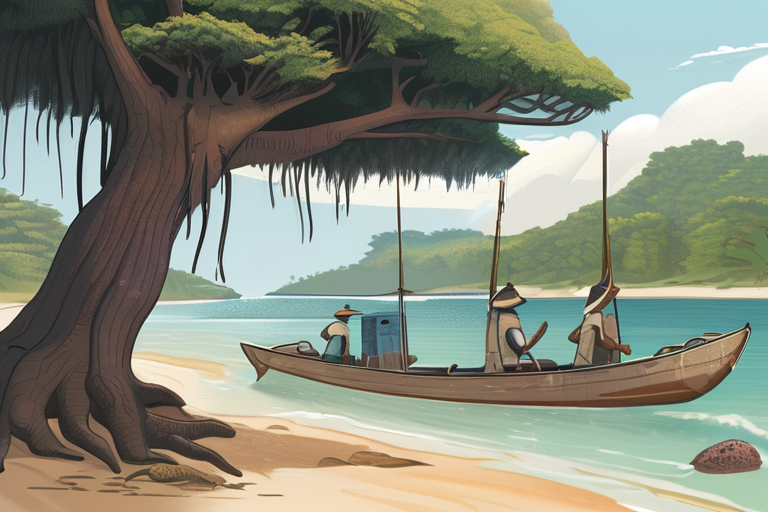
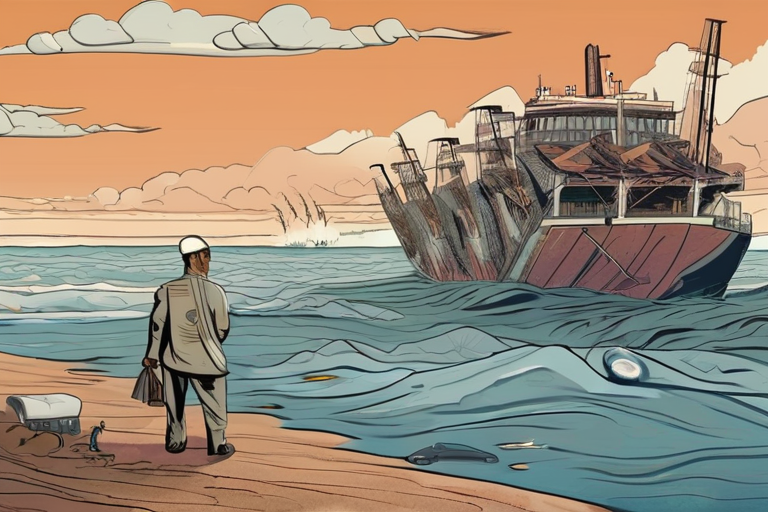
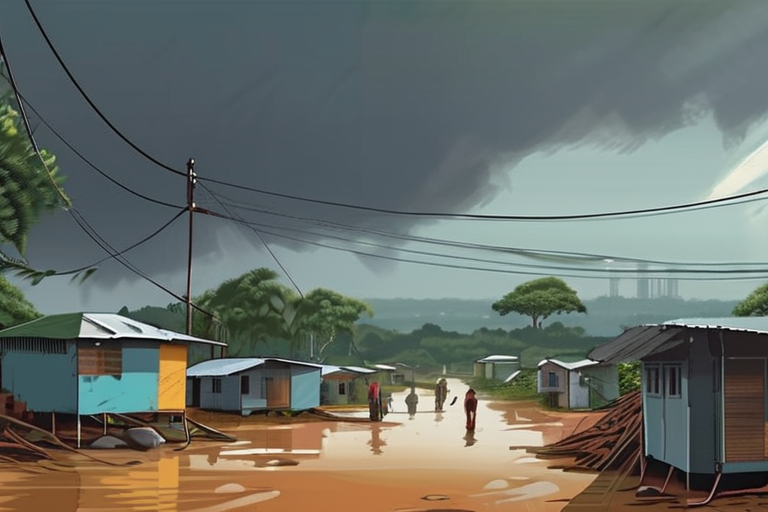
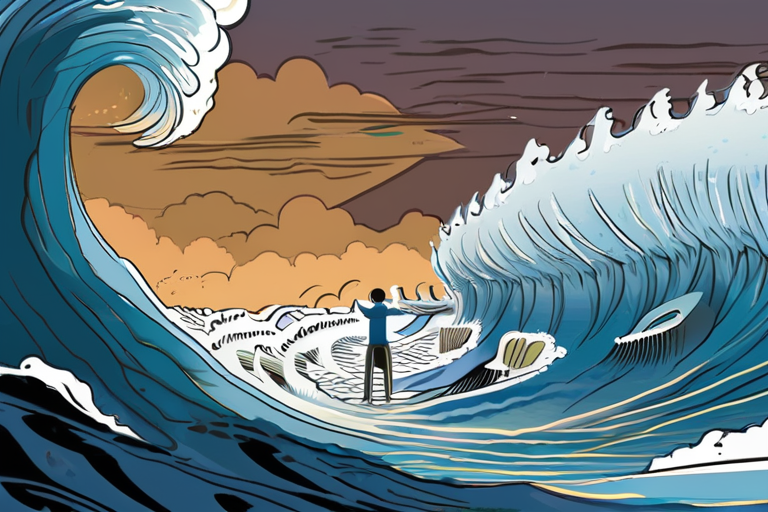
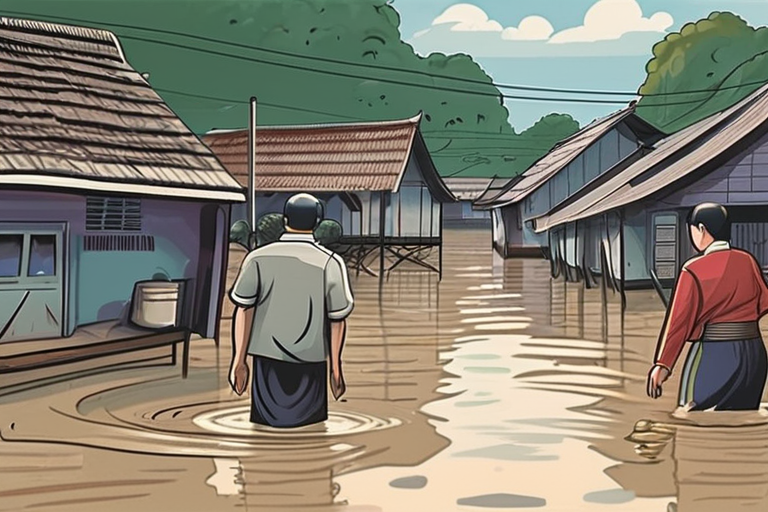
According to reports from the field, a massive storm surge in September inundated a large area of coastal forest in southern Madagascar, near the town of Mahaleotse. The storm, which was fueled by rising sea levels, swept through the region, destroying a significant portion of the forest and leaving behind a trail of devastation. The impact on the local ecosystem was severe, with many species of plants and animals facing extinction.
"It was like nothing we've ever seen before," said Andiana Maky, a local conservationist who witnessed the storm firsthand. "The water was rising so fast, it was like a wall of water. We were able to evacuate some of the animals, but many were left behind, and we're not sure if they'll survive."
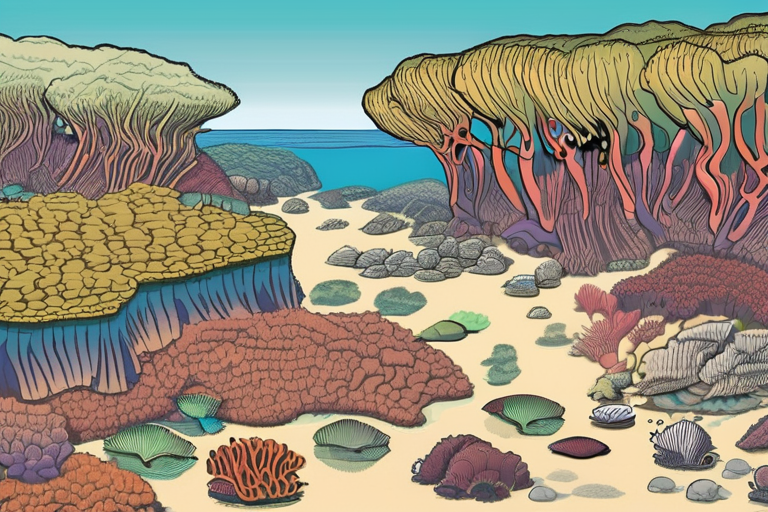
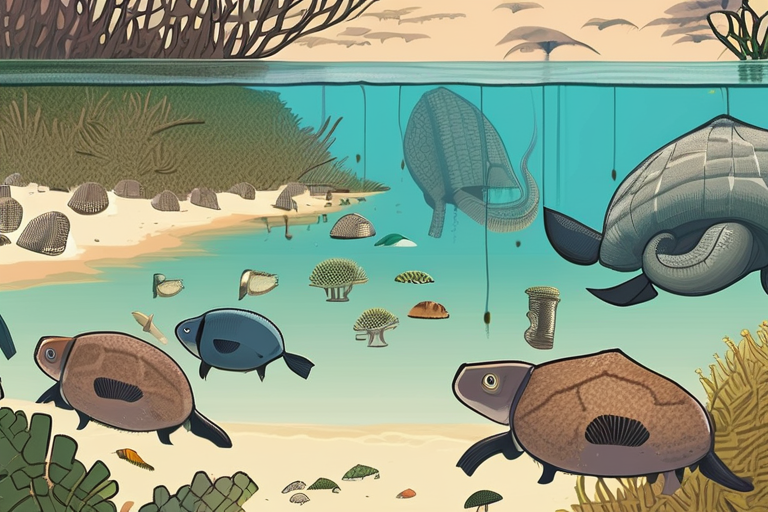
The storm was a stark reminder of the urgent need for action to protect Madagascar's unique and fragile ecosystems. The island nation is home to a vast array of plant and animal species, many of which are found nowhere else on Earth. However, the impacts of climate change are being felt across the country, with rising sea levels, droughts, and heatwaves all taking a devastating toll on the environment.
Conservation organizations are working to monitor and mitigate the impacts of climate change on biodiversity. "We're doing everything we can to protect these ecosystems and the species that call them home," said Benji Jones, an environmental correspondent at Vox. "But it's a daunting task, and we need the support of governments, corporations, and individuals to make a real difference."
The impacts of climate change on Madagascar's ecosystems are being closely monitored by conservation organizations. "We're seeing a significant increase in the number of species facing extinction due to climate change," said Garth Cripps, a conservation biologist at the University of Oxford. "It's a ticking time bomb, and we need to act quickly to prevent a disaster."
The current status of the affected area is dire, with many species facing extinction. However, conservation organizations are working tirelessly to protect the remaining ecosystems and species. "We're doing everything we can to protect these ecosystems and the species that call them home," said Benji Jones. "But it's a long-term effort, and we need the support of governments, corporations, and individuals to make a real difference."
In the coming months, conservation organizations will continue to monitor the situation and work to mitigate the impacts of climate change on biodiversity. The next developments in this story will be closely watched by scientists, policymakers, and conservationists around the world.
Rising Seas Threaten Madagascar's Existence: Conservation Efforts Underway
2
0
Multi-Source Journalism
This article synthesizes reporting from multiple credible news sources to provide comprehensive, balanced coverage.













Share & Engage Share
Share this article