

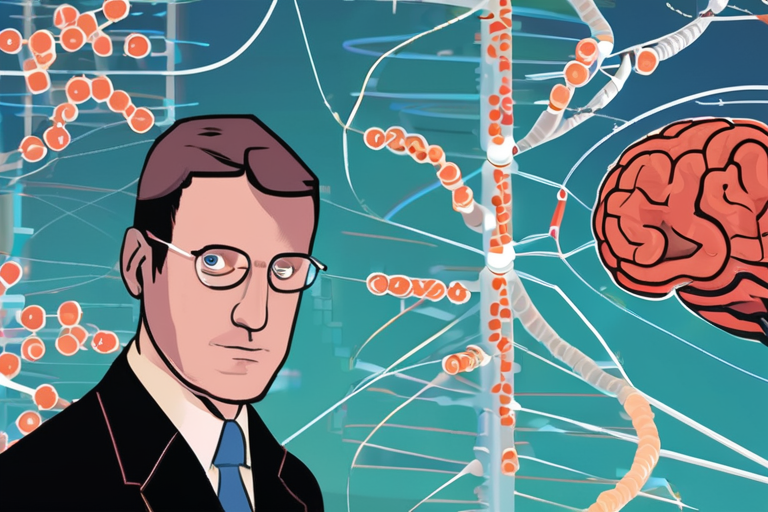
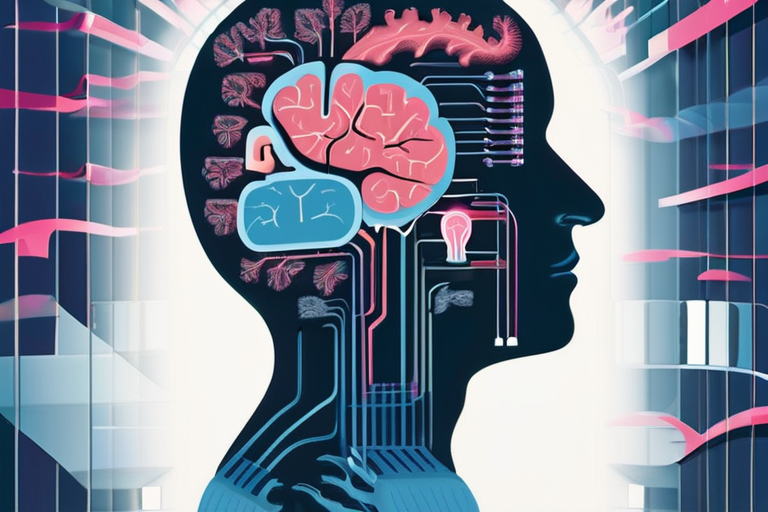
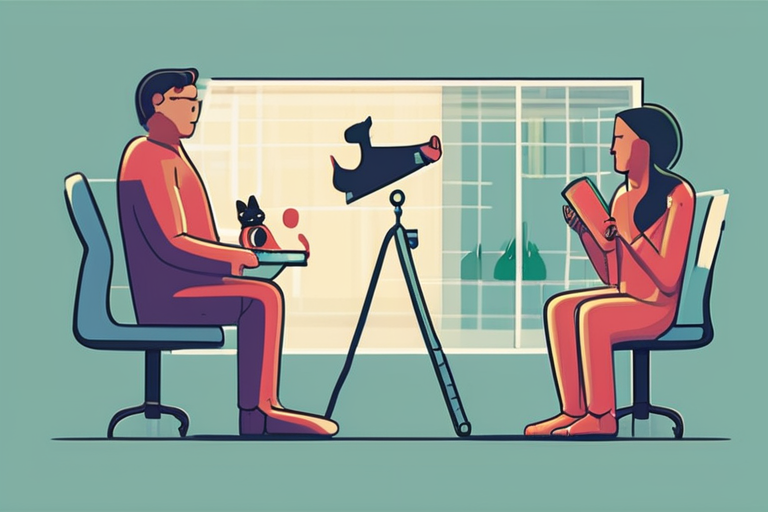
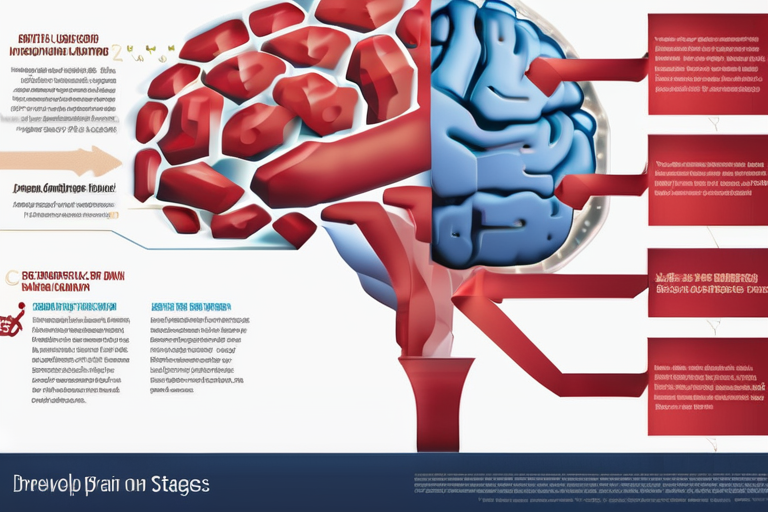
As she sat in the hospital room, staring at the model of the human brain on the doctor's table, Sarah couldn't help but feel a sense of unease. Her diagnosis of GAAB syndrome, a rare condition affecting the brain's ability to regulate emotions, had left her reeling. But what really threw her off was the conversation that followed - a discussion about her personality, and how it was more complicated than she ever thought possible.
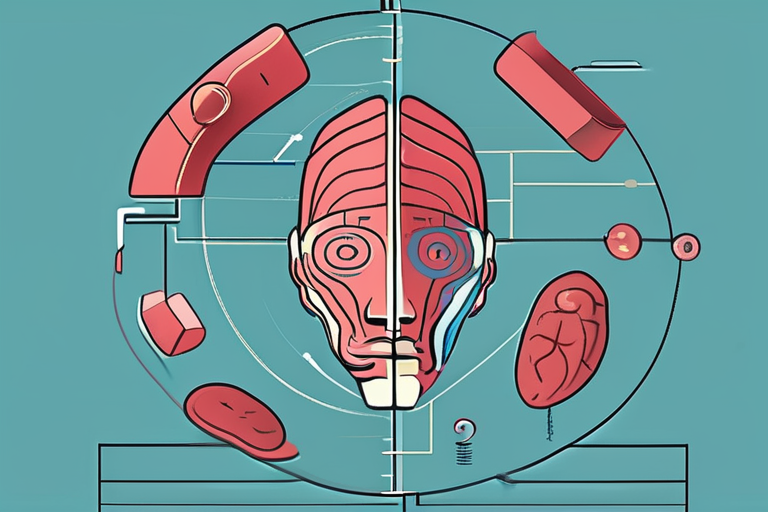
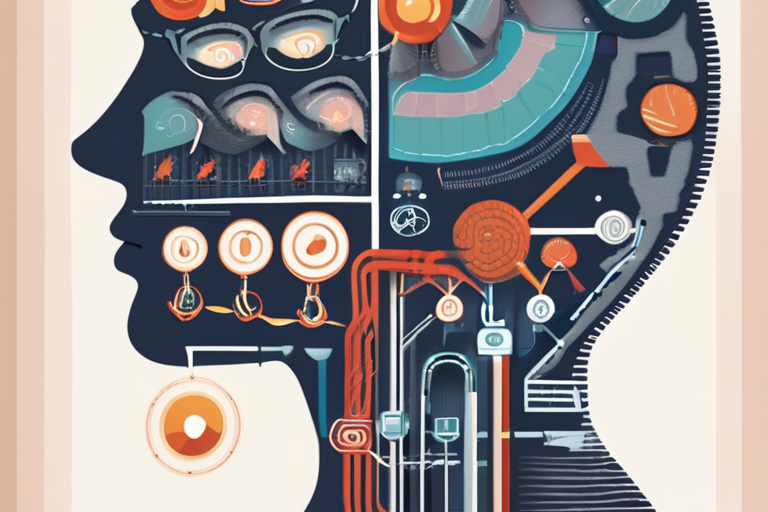
Sarah's doctor, Dr. Abana Azariah, explained that the brain is a complex organ, made up of multiple systems that interact with each other in intricate ways. "Personality is not just one trait or characteristic," Dr. Azariah said. "It's a dynamic interplay of cognitive, emotional, and behavioral processes that can't be reduced to simple labels like 'introvert' or 'extrovert'."
This idea is not new to the medical community. Researchers have long known that personality is influenced by a combination of genetic, environmental, and neurological factors. But for many people, the concept of personality remains a mystery, often reduced to simplistic categorizations or stereotypes.
Take, for example, the popular Myers-Briggs Type Indicator (MBTI). While it has been widely used in educational and professional settings, many experts argue that it lacks scientific rigor and can be misleading. "The MBTI is based on a flawed theory of personality that doesn't take into account the complexity of human behavior," said Dr. Gabriel Rodriquez, a clinical neuropsychologist at TIRR Memorial Hermann.
But what does this mean for individuals like Sarah, who are trying to make sense of their own personalities? According to Dr. Alexandria Meurgue Ritter, a speech language pathologist at UT Health Houston, it's essential to approach personality with a nuanced perspective. "We need to move away from simplistic labels and towards a more comprehensive understanding of human behavior," she said. "This means considering the interplay between cognitive, emotional, and social factors that shape our personalities."
So, what does this look like in practice? For Sarah, it means recognizing that her GAAB syndrome diagnosis is not just a medical condition, but also a reflection of her unique personality traits. "I used to think of myself as a Type A personality, always striving for perfection," she said. "But now I realize that my GAAB syndrome is actually a manifestation of my perfectionism, which can sometimes be overwhelming."
As Sarah navigates her diagnosis and treatment, she is learning to approach her personality with a more nuanced perspective. "It's not about being one thing or another," she said. "It's about understanding the complexities of my own brain and behavior, and finding ways to work with them."
For those who are struggling to understand their own personalities, the message is clear: it's time to move beyond simplistic labels and towards a more comprehensive understanding of human behavior. By recognizing the complexity of our own personalities, we can begin to approach ourselves and others with greater empathy and understanding.
As Sarah's doctor, Dr. Abana Azariah, put it, "Personality is not something that can be reduced to a single trait or characteristic. It's a dynamic, ever-changing process that is shaped by a complex interplay of cognitive, emotional, and social factors. By embracing this complexity, we can begin to understand ourselves and others in a more profound and meaningful way."
Unraveling the Complexities of Your Personality: What Science Reveals
2
0

Multi-Source Journalism
This article synthesizes reporting from multiple credible news sources to provide comprehensive, balanced coverage.























Share & Engage Share
Share this article