

Breaking News: SCOTUS Case Could Expand Presidential Powers
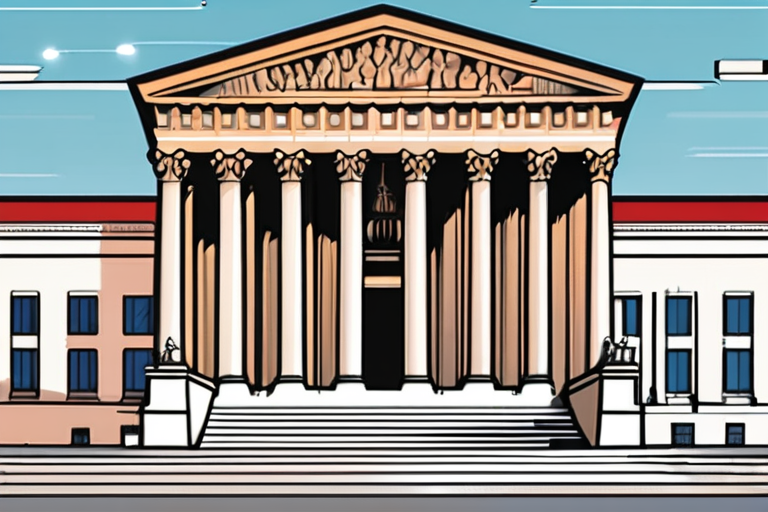
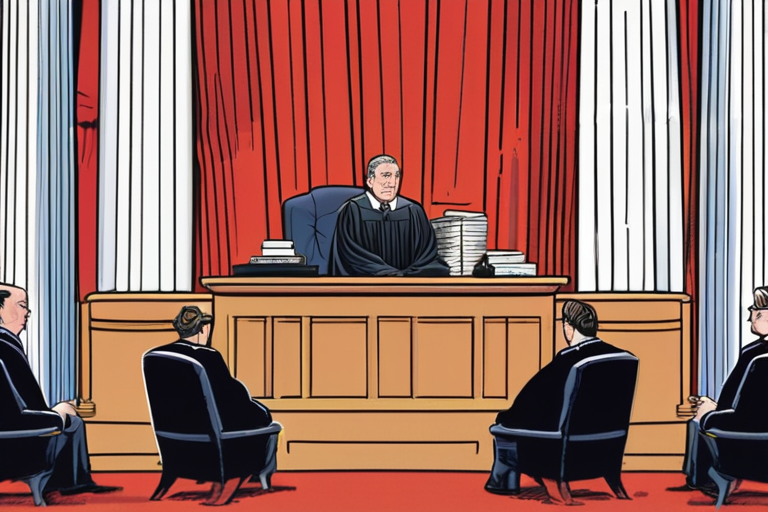
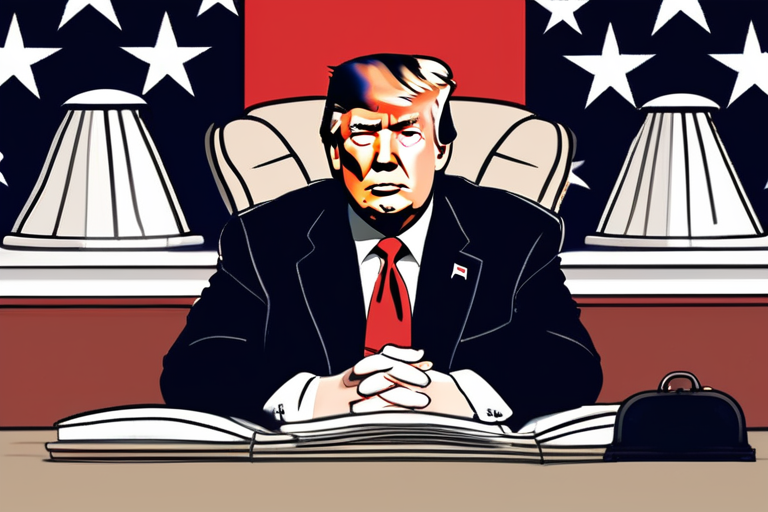
The Supreme Court is set to hear arguments today in a case that could significantly expand the president's power and potentially undermine the independence of independent agencies. At the center of the case is a dispute over whether President Trump had the authority to fire Rebecca Slaughter, a Democratic commissioner on the Federal Trade Commission, in March. The White House cited no wrongdoing on Slaughter's part, but rather stated that her removal was due to a shift in the administration's priorities.
The case, which is expected to have far-reaching implications, has been brewing since March when Slaughter received an email from the White House informing her of her removal. The Federal Trade Commission, which is an independent agency, has been a key target of President Trump's efforts to limit its authority. The commission has been responsible for enforcing antitrust laws and protecting consumer rights.
The immediate impact of the Supreme Court's decision could be significant, potentially allowing future presidents to exert greater control over independent agencies. This could have far-reaching consequences for a range of areas, including consumer protection, environmental regulation, and financial oversight.
In related news, Democratic lawmakers are pushing a plan to extend subsidies for Affordable Care Act (ACA) recipients. The plan, which is expected to be voted on in the coming days, aims to stabilize the ACA market and prevent a significant increase in premiums. The move is seen as a response to the uncertainty surrounding the ACA's future, particularly in light of the Supreme Court's upcoming decision on the case.
The background context for the SCOTUS case is rooted in the long-standing debate over the role of independent agencies in the federal government. These agencies, which include the Federal Trade Commission, the Federal Reserve, and the Environmental Protection Agency, among others, have traditionally been seen as a check on presidential power. However, the Trump administration has sought to limit their authority, arguing that they are not subject to presidential control.
As the Supreme Court hears arguments in the case, lawmakers and experts are bracing for a potentially significant shift in the balance of power between the executive and legislative branches. The outcome of the case is expected to be closely watched, with implications extending far beyond the Federal Trade Commission.
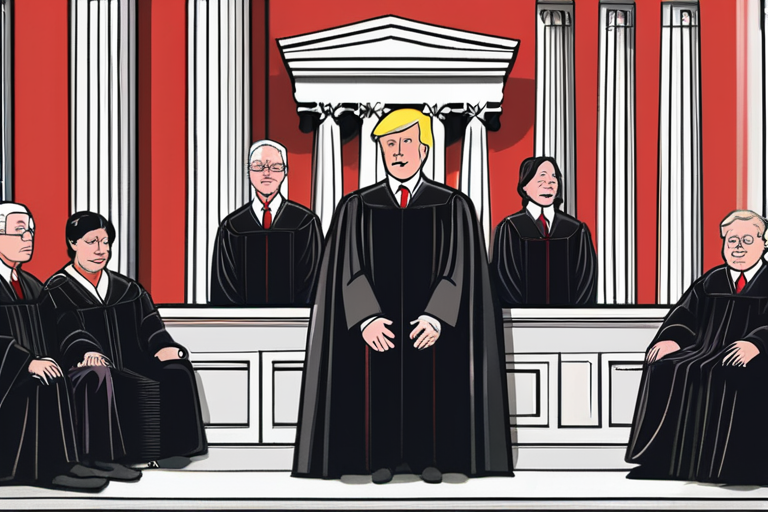
Supreme Court Set to Weigh Far-Reaching Expansion of Presidential Power
1
0

Multi-Source Journalism
This article synthesizes reporting from multiple credible news sources to provide comprehensive, balanced coverage.











Share & Engage Share
Share this article