

FBI Agents Sue Over Racial Justice Protest Retaliation in Landmark Case
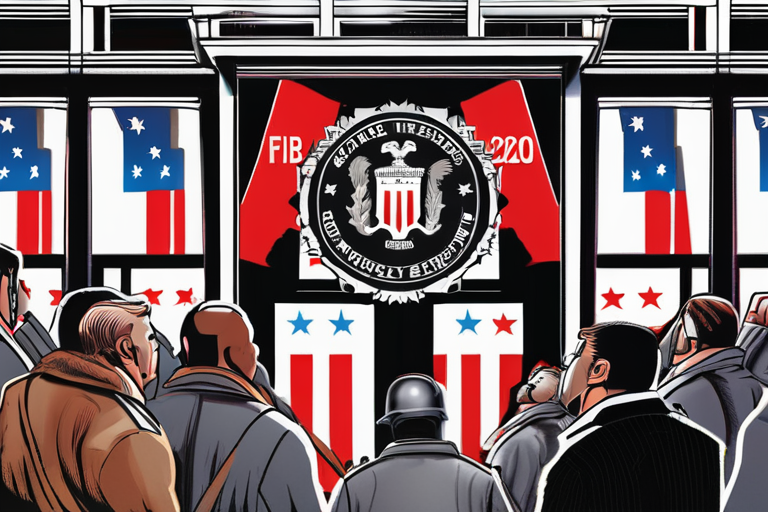
In a bold move, 12 former FBI agents, who collectively boast nearly 200 years of experience, have filed a lawsuit against the Bureau and its director, alleging unlawful retaliation after being fired for participating in a racial justice protest in Washington, D.C. in 2020. The high-profile case sheds light on the complex intersection of law enforcement, racial justice, and free speech in the United States, sparking international attention and debate on the role of police in social movements.
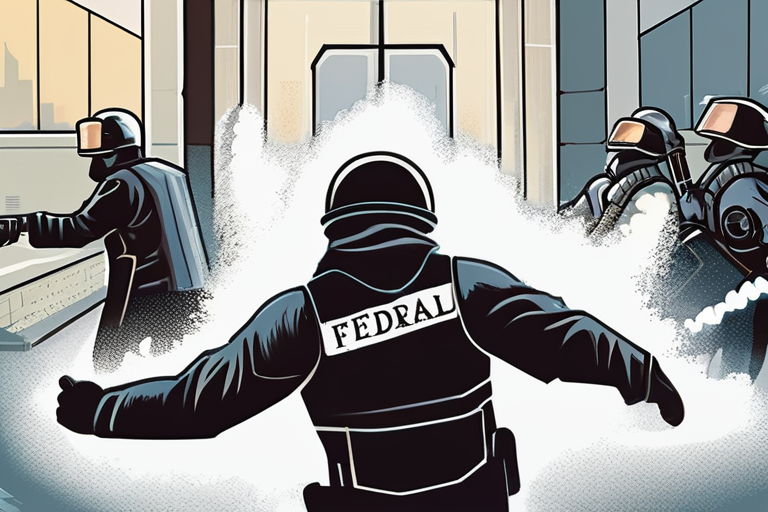
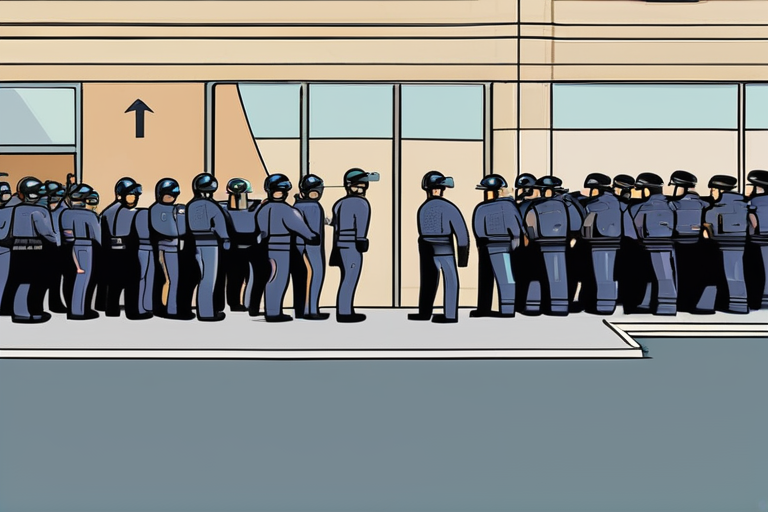
According to the lawsuit, the agents were fired in 2022 for taking a knee during the racial justice protest in June 2020, in solidarity with demonstrators who were marching against the death of George Floyd, a Black man who died after a police officer kneeled on his neck for several minutes. The agents, who were vastly outnumbered and lacked proper equipment, claim they were unfairly targeted for their actions, despite their extensive service in disrupting mass shootings, exposing foreign spies, and thwarting cyber attacks.
The agents, who were honored for their work in disrupting mass shootings and exposing foreign spies, claim they were inadequately trained for crowd control and faced volatile crowds without proper equipment. "We were not given the proper training or equipment to handle the situation, and we were unfairly targeted for taking a knee in solidarity with the protesters," said one of the agents, who wished to remain anonymous. "We were not trying to disrupt the protest, but rather to show our support for the cause and to promote unity and understanding."
The lawsuit alleges that the FBI's actions were a clear case of retaliation, and that the agents' First Amendment rights were violated. "The FBI's actions were a clear attempt to silence us and to intimidate us into not speaking out against racial injustice," said another agent. "We will not be silenced, and we will continue to fight for justice and equality."
The case has sparked international attention and debate on the role of police in social movements. "This case highlights the complexities of policing and racial justice in the United States," said a spokesperson for the American Civil Liberties Union. "The FBI's actions were a clear overreach, and we support the agents' right to free speech and assembly."
The lawsuit is a landmark case that could have far-reaching implications for law enforcement and racial justice in the United States. "This case has the potential to change the way law enforcement agencies approach social movements and to promote greater understanding and respect for the rights of all individuals," said a spokesperson for the National Association for the Advancement of Colored People.
The case is currently pending in federal court, and a hearing is scheduled for early next year. The outcome of the case will be closely watched by law enforcement agencies, civil rights groups, and the public at large.
Background:
The racial justice protest in Washington, D.C. in June 2020 was a major event that drew thousands of people from across the country. The protest was sparked by the death of George Floyd, a Black man who died after a police officer kneeled on his neck for several minutes. The protest was peaceful, but it was also volatile, with some participants engaging in violent behavior.
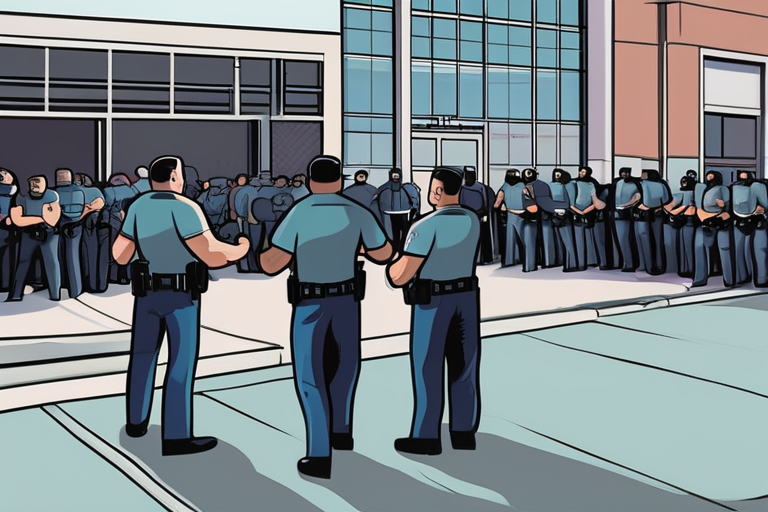
The FBI agents who were fired for participating in the protest were part of a group of special agents who were tasked with providing security for the event. However, they were vastly outnumbered and lacked proper equipment, which made it difficult for them to control the crowd.
The agents' decision to take a knee during the protest was a deliberate act of solidarity with the demonstrators. They wanted to show their support for the cause and to promote unity and understanding. However, their actions were seen as a threat by some, and they were subsequently fired by the FBI.
Expert Opinion:
"This case highlights the complexities of policing and racial justice in the United States," said a spokesperson for the American Civil Liberties Union. "The FBI's actions were a clear overreach, and we support the agents' right to free speech and assembly."
"The case has the potential to change the way law enforcement agencies approach social movements and to promote greater understanding and respect for the rights of all individuals," said a spokesperson for the National Association for the Advancement of Colored People.
Current Status:
The lawsuit is currently pending in federal court, and a hearing is scheduled for early next year. The outcome of the case will be closely watched by law enforcement agencies, civil rights groups, and the public at large.
Next Steps:
The case will continue to be litigated in federal court, with both sides presenting their arguments and evidence. The outcome of the case will depend on the evidence presented and the interpretation of the law by the court.
"Fired FBI Agents Take on Agency in Landmark Racial Justice Protest Lawsuit"
4
0
Multi-Source Journalism
This article synthesizes reporting from multiple credible news sources to provide comprehensive, balanced coverage.









Share & Engage Share
Share this article