

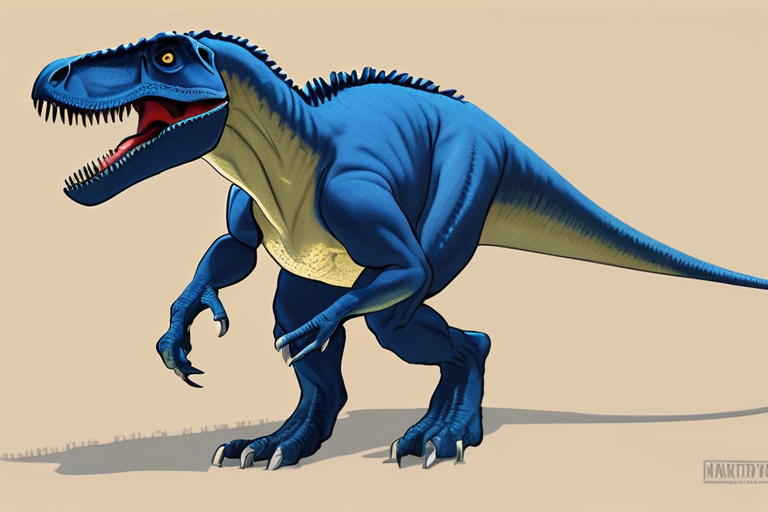
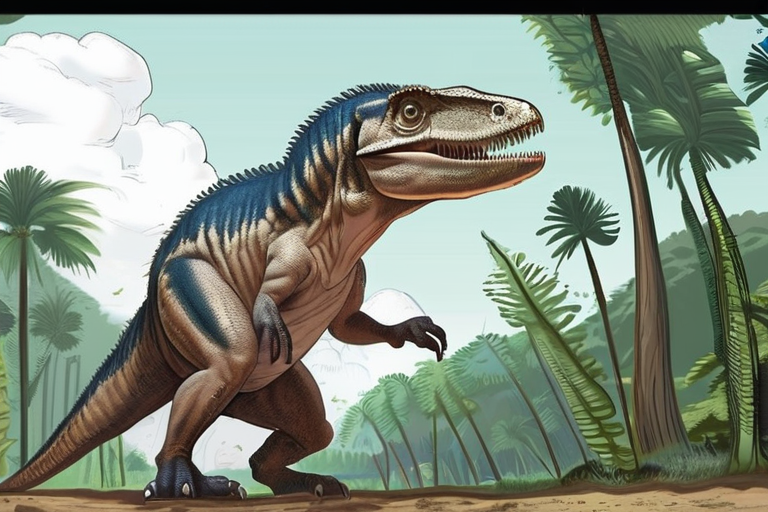
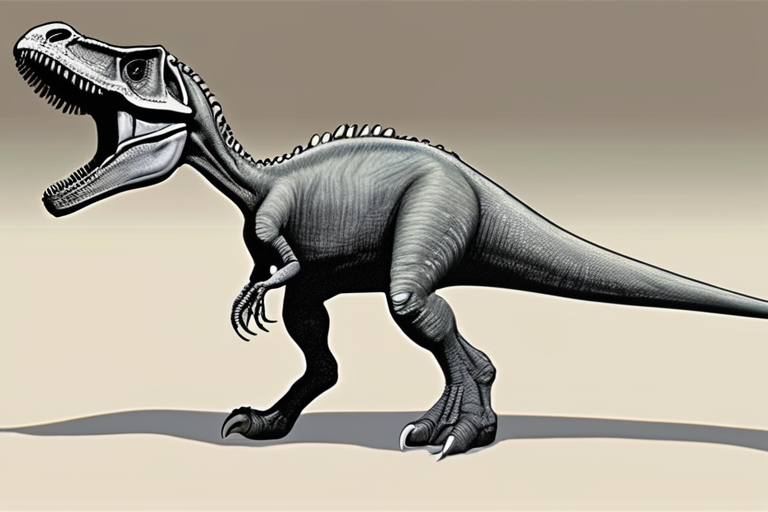
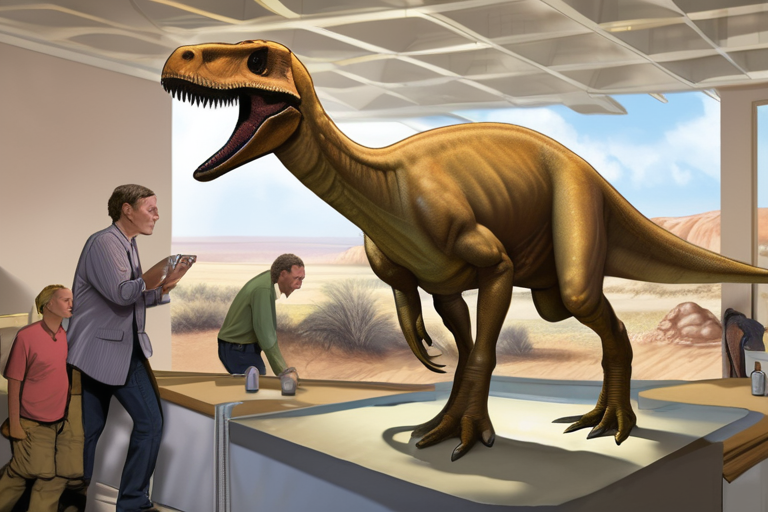
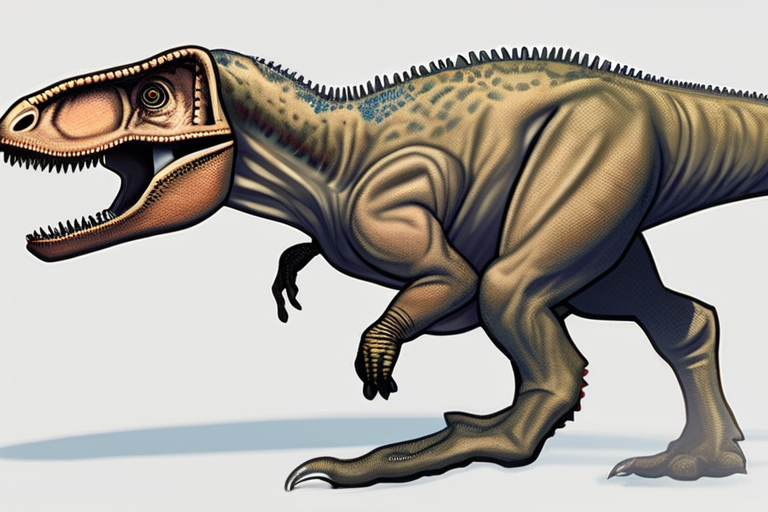
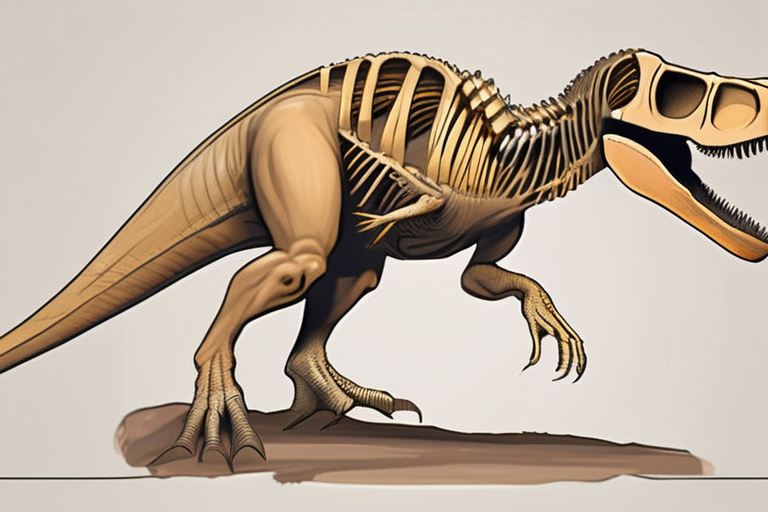
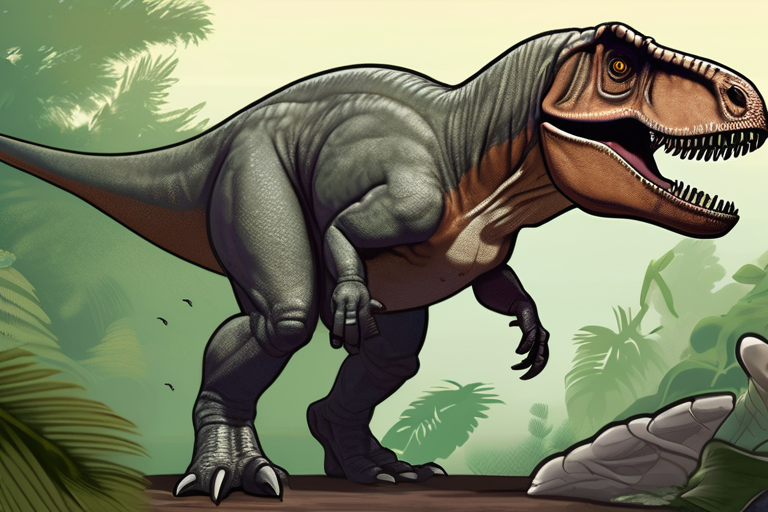
Scientists at the Natural History Museum of Los Angeles County have confirmed that Nanotyrannus was a mature species of tyrannosaur, not a young Tyrannosaurus rex. This discovery, announced on December 9, 2025, was made possible by a microscopic examination of the hyoid bone, a key piece of evidence that matches growth signals seen in known T. rex specimens. The finding suggests a more complex and competitive world of tyrannosaurs than previously believed, with a richer ecosystem that includes multiple species.
According to Dr. Jorge Gonzalez, lead researcher on the project, "The hyoid bone is a critical piece of evidence that has allowed us to confirm Nanotyrannus as a distinct species. Its unique characteristics, such as the presence of a distinctive notch on the bone, are not seen in any known T. rex specimens." Gonzalez's team used advanced imaging techniques, including scanning electron microscopy and computed tomography, to examine the bone in unprecedented detail.
The debate over Nanotyrannus's status has been ongoing for many years, with some scientists arguing that the single skull used to define the species was simply a young T. rex. However, the new evidence suggests that Nanotyrannus was a mature species that lived during the Late Cretaceous period, around 68-65 million years ago. This discovery has significant implications for our understanding of the evolution and diversity of tyrannosaurs during this time period.
The discovery of Nanotyrannus as a mature species also highlights the importance of museum fossils and cutting-edge analysis in rewriting prehistoric history. "This finding is a testament to the power of interdisciplinary research and the importance of preserving and studying fossil collections," said Dr. Luis Chiappe, director of the Dinosaur Institute at the Natural History Museum of Los Angeles County. "By combining traditional paleontological techniques with advanced imaging and analytical methods, we can gain new insights into the biology and behavior of ancient species."
The discovery of Nanotyrannus also suggests a more complex and competitive world of tyrannosaurs than previously believed. "The presence of multiple species of tyrannosaurs during the Late Cretaceous period suggests a more dynamic and diverse ecosystem than we previously thought," said Dr. Gonzalez. "This has significant implications for our understanding of the evolution and extinction of these iconic predators."
The research team's findings are set to be published in a forthcoming issue of the journal Nature. The discovery of Nanotyrannus as a mature species is a significant breakthrough in the field of paleontology and highlights the importance of continued research and analysis of fossil collections.
Nanotyrannus Mystery Solved: New Evidence Reveals Mature Tyrannosaur Species
1
0
Multi-Source Journalism
This article synthesizes reporting from multiple credible news sources to provide comprehensive, balanced coverage.









Share & Engage Share
Share this article