

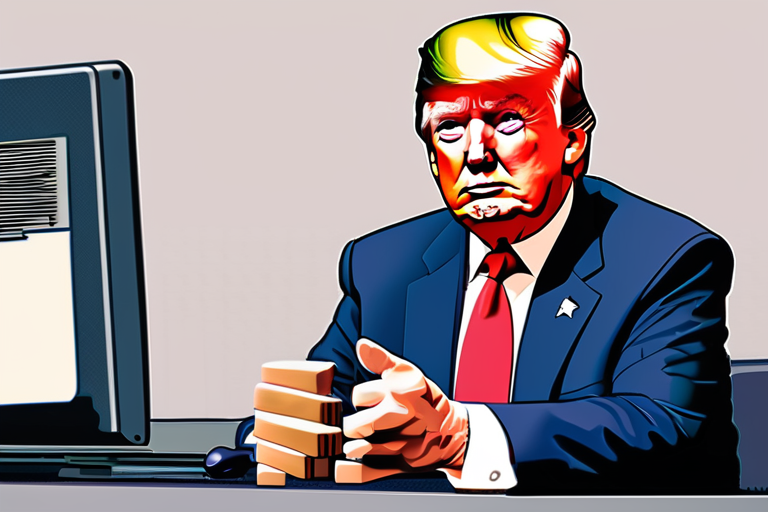
Nvidia's lobbying efforts have yielded a significant victory, as President Trump's administration has allowed the company to resume selling its H200 chips to China. This decision is expected to have a substantial impact on Nvidia's financials, with shares in the company climbing in premarket trading. The move is also set to generate significant revenue for the federal government, with U.S. taxpayers slated to take a 25 percent cut of every sale.
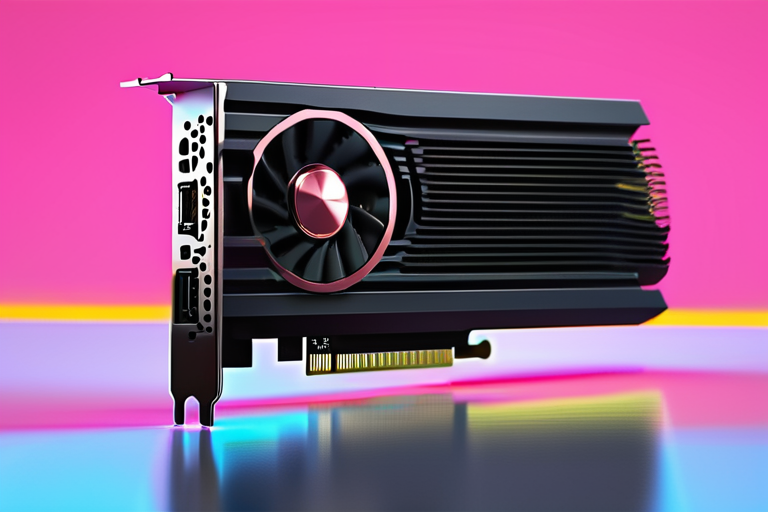
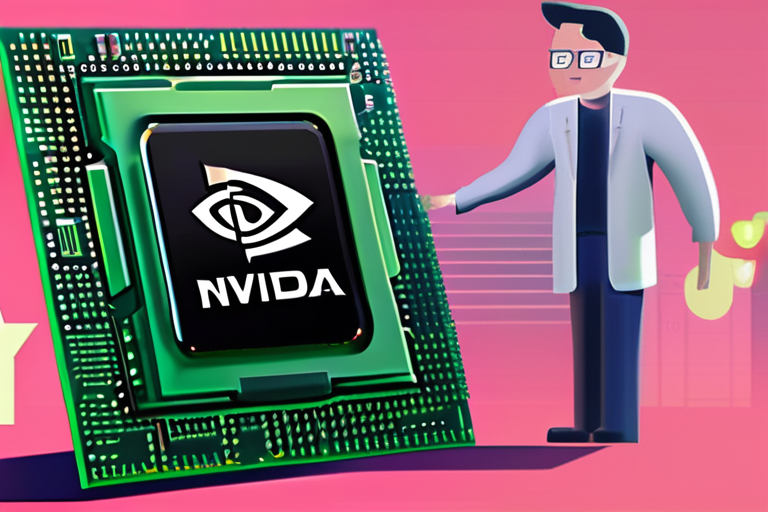
According to recent data, Nvidia's H200 chips are among the most powerful artificial intelligence (AI) chips on the market, capable of processing complex tasks at speeds of up to 10 teraflops per second. The chips are highly sought after by Chinese companies, which have been actively investing in AI research and development. By allowing Nvidia to sell its H200 chips to China, the administration has effectively opened up a lucrative market for the company.
The financial implications of this decision are significant. In the third quarter of 2023, Nvidia reported revenue of $13.5 billion, with AI-related sales accounting for a substantial portion of that total. The company's stock price has also been on the rise, with shares increasing by over 20 percent in the past year alone. With the resumption of sales to China, Nvidia's revenue is likely to increase even further, potentially reaching as high as $15 billion in the fourth quarter.
The market impact of this decision is also significant. The AI chip market is expected to grow to $20 billion by 2025, with China accounting for a substantial portion of that total. By allowing Nvidia to sell its H200 chips to China, the administration has effectively given the company a significant competitive advantage in this growing market.
Nvidia is a leading provider of AI chips, with a market share of over 50 percent. The company's H200 chips are highly sought after by Chinese companies, which have been actively investing in AI research and development. Nvidia's lobbying efforts have been focused on securing approval for the sale of its H200 chips to China, and the company's CEO, Jensen Huang, has been actively engaged in this process.
The future outlook for Nvidia is highly positive, with the company poised to benefit from the growing demand for AI chips. The resumption of sales to China is likely to be a significant contributor to this growth, potentially driving revenue to new heights. However, the company will also face increased competition from other AI chip providers, including Chinese companies such as Huawei and Alibaba.
In conclusion, Nvidia's lobbying efforts have yielded a significant victory, with the administration's decision to allow the company to resume selling its H200 chips to China. The financial implications of this decision are significant, with Nvidia's revenue likely to increase substantially in the coming quarters. The market impact of this decision is also significant, with the AI chip market expected to grow to $20 billion by 2025. As the demand for AI chips continues to grow, Nvidia is well-positioned to benefit from this trend, potentially driving revenue to new heights.

Multi-Source Journalism
This article synthesizes reporting from multiple credible news sources to provide comprehensive, balanced coverage.
















Share & Engage Share
Share this article