

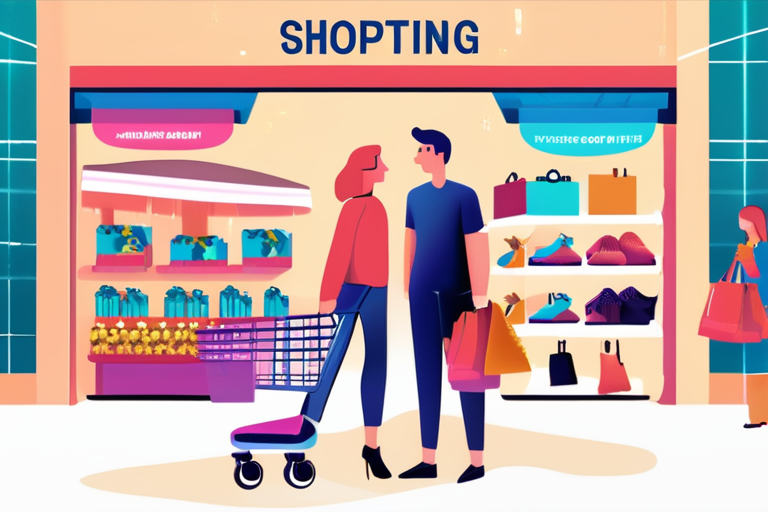
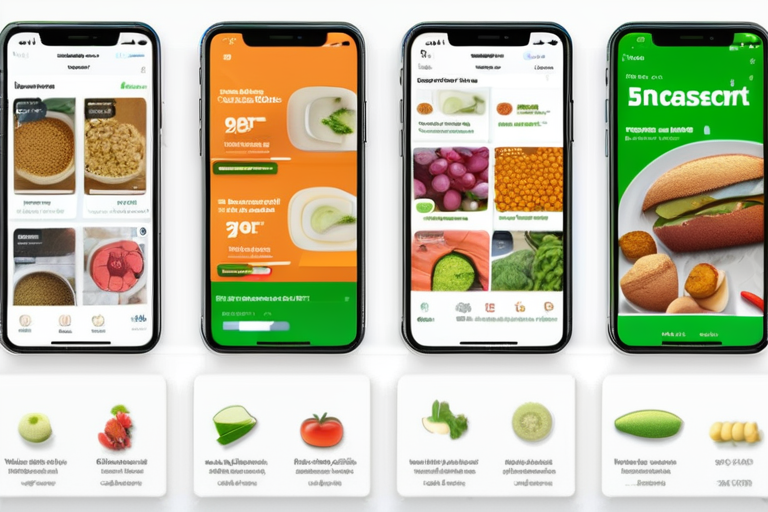
Shares of retailers that offer AI-powered shopping tools have seen a significant increase in the past year, reflecting the growing trend of consumers turning to artificial intelligence for help with gift ideas and price comparisons during the holiday season. According to Salesforce, AI is expected to drive a 21% increase in holiday sales this year, marking the first holiday season shaped by AI-powered shopping.
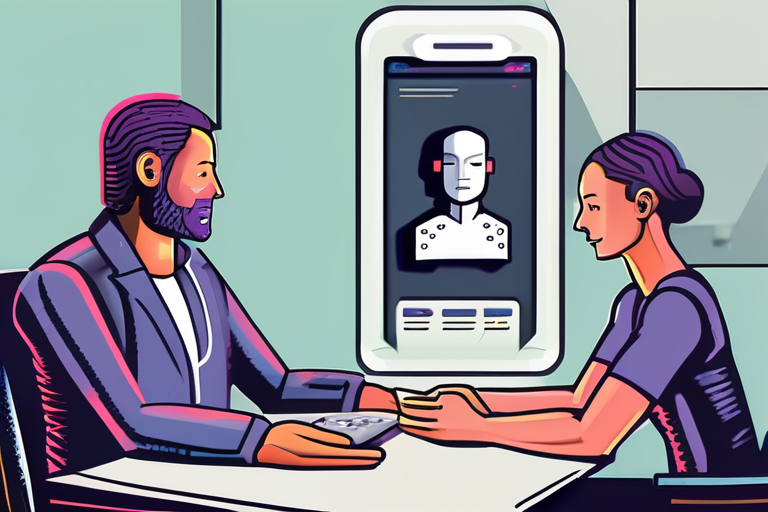
Rachael Dunfell, a 33-year-old resident of Manchester, is one of the many consumers who have turned to AI tools for help with gift ideas. She used Copilot, a Microsoft-owned chatbot, to find a unique gift for her husband's 21-year-old cousin, who is interested in racing bikes and the Vikings. After inputting his age, hobby, and interest into the chatbot, Copilot led her to a niche retailer that sells Viking-themed metal bike parts. "It's just something that I really would never have known existed," she said, "but it was perfect."
John Harmon, a senior technology analyst at Coresight Research in New York, notes that AI-powered shopping tools have become increasingly popular among consumers this holiday season. "AI is shifting the holiday shopping experience," he said. "People are increasingly turning to AI tools, from Copilot to OpenAI's ChatGPT to Google's Gemini, for help with gift ideas and to compare prices."
The use of AI-powered shopping tools has implications for both bargain hunters and retailers. On one hand, AI tools can help consumers find unique and personalized gifts, increasing the chances of a successful purchase. On the other hand, the use of AI-powered shopping tools may lead to a decrease in foot traffic in physical stores, potentially affecting retailers' bottom line.
Background and context are essential in understanding the growing trend of AI-powered shopping. AI tools have become increasingly sophisticated in recent years, allowing consumers to input specific preferences and receive tailored recommendations. This shift towards AI-powered shopping is not limited to the holiday season; it is a broader trend that is expected to continue in the coming years.
Additional perspectives on the growing trend of AI-powered shopping come from industry experts. "AI is not a replacement for human interaction, but rather a complement to it," said John Harmon. "Retailers need to adapt to the changing shopping habits of consumers and incorporate AI-powered tools into their strategies."
The current status of AI-powered shopping is one of rapid growth and adoption. According to a recent survey, 60% of consumers have used AI-powered shopping tools at least once, and 40% plan to use them more frequently in the coming years. As the holiday season comes to a close, it is clear that AI-powered shopping has become a significant factor in the retail industry.
Next developments in AI-powered shopping are expected to focus on personalization and integration with existing shopping platforms. Retailers are expected to invest heavily in AI-powered tools, allowing consumers to receive more tailored recommendations and a seamless shopping experience. As AI continues to shape the retail industry, one thing is clear: the future of shopping is increasingly digital.
AI-Powered Shopping Revolutionizes Christmas Season as Consumers Seek Smarter Gift Ideas
1
0

Multi-Source Journalism
This article synthesizes reporting from multiple credible news sources to provide comprehensive, balanced coverage.

















Share & Engage Share
Share this article