

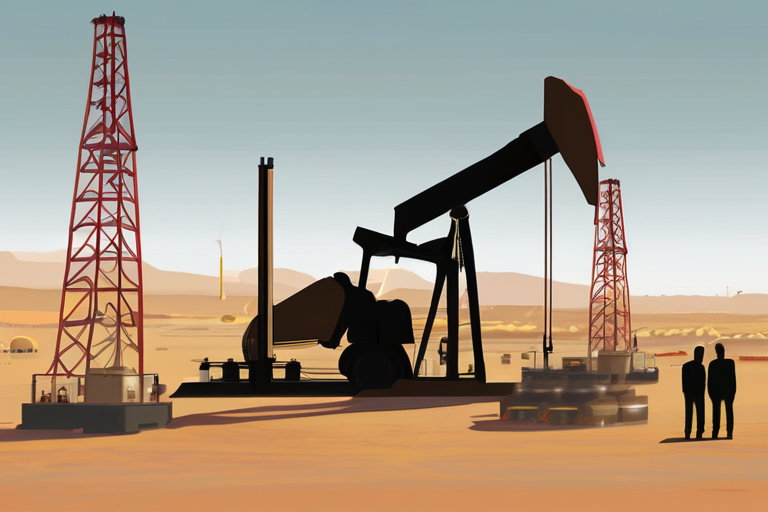
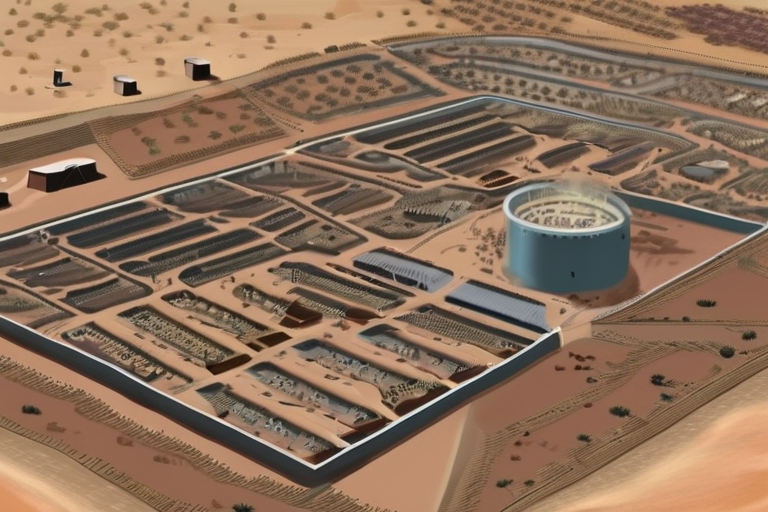
Shares in Sudan's oil sector plummeted after the Rapid Support Forces (RSF) took control of the Heglig oilfield, a strategic hub that processes between 80,000 and 100,000 barrels per day for the benefit of Sudan and South Sudan. The pipeline to Port Sudan passes through it, delivering a direct blow to what remains of the country's economy. Production at the facility has been halted, and workers have been evacuated to neighboring South Sudan.
The RSF's control of Heglig has significant implications for Sudan's economy, which relies heavily on oil exports. The country's oil production has been declining since the secession of South Sudan in 2011, and the loss of Heglig's production capacity is expected to exacerbate the situation. "The loss of Heglig is a major setback for Sudan's economy," said a senior government official, who wished to remain anonymous. "It will have a significant impact on our ability to generate revenue and fund our development projects."
The Heglig oilfield is a critical component of Sudan's oil infrastructure, and its loss is expected to have far-reaching consequences. The pipeline to Port Sudan, which carries oil from Heglig and other fields, is a vital artery for the country's economy. The loss of Heglig's production capacity will put additional pressure on the pipeline, which is already operating at capacity.
The RSF's control of Heglig is a significant development in the ongoing conflict in Sudan. The RSF, a paramilitary group led by General Mohamed Hamdan Dagalo, has been a key player in the conflict, which began in 2021. The group has been accused of human rights abuses and has been involved in several high-profile battles with government forces.
The international community has expressed concern over the RSF's control of Heglig, with several countries calling for a peaceful resolution to the conflict. The United States, the European Union, and the African Union have all issued statements condemning the violence and calling for a return to peace talks. "We are deeply concerned about the situation in Sudan and the impact it is having on the country's economy and people," said a spokesperson for the US State Department. "We urge all parties to return to the negotiating table and work towards a peaceful resolution to the conflict."
The current status of the conflict is uncertain, with both sides engaged in a series of skirmishes and battles. The RSF has maintained control of Heglig, but government forces have launched several counterattacks in an effort to retake the oilfield. The situation remains volatile, with both sides accusing each other of human rights abuses and war crimes.
The next developments in the conflict are expected to be critical, with several key players involved in the negotiations. The African Union has been mediating talks between the government and the RSF, but progress has been slow. The international community is urging all parties to return to the negotiating table and work towards a peaceful resolution to the conflict.
RSF Seizes Heglig Oilfield, Sending Sudan's Oil Sector into Freefall
1
0
Multi-Source Journalism
This article synthesizes reporting from multiple credible news sources to provide comprehensive, balanced coverage.
















Share & Engage Share
Share this article