

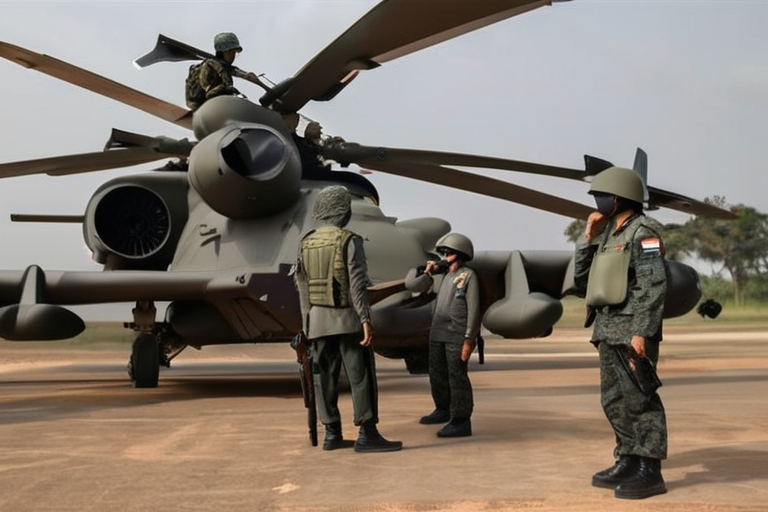
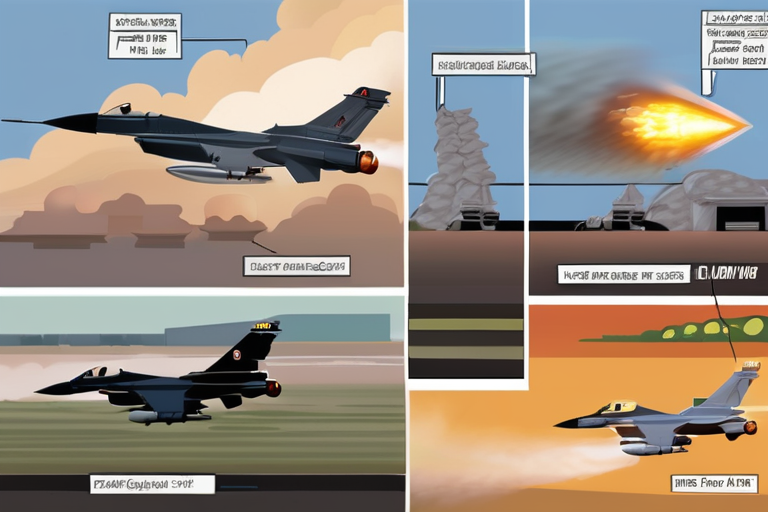
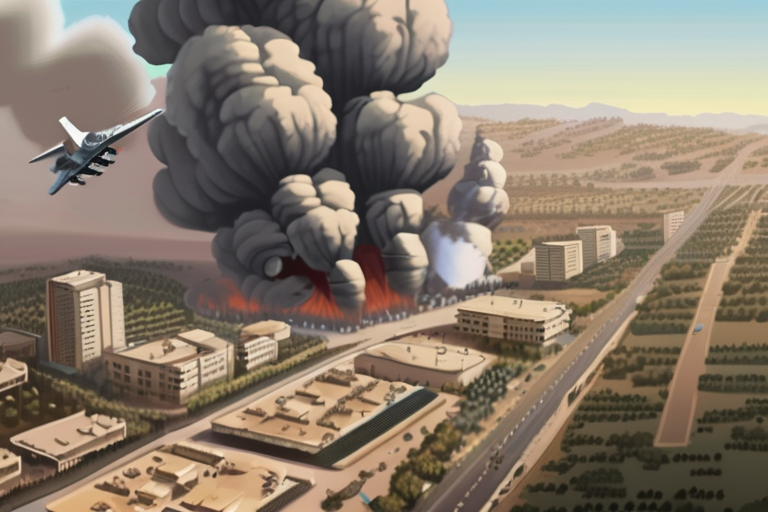
Deadly fighting has erupted between Thailand and Cambodia, weeks after the two sides signed a ceasefire deal in Malaysia presided over by United States President Donald Trump. At least 12 people have been killed and thousands displaced from both sides as clashes continued for the second day. The renewed violence has raised concerns about the effectiveness of Trump's peace-brokering efforts, which have been touted as a major achievement by the US administration.
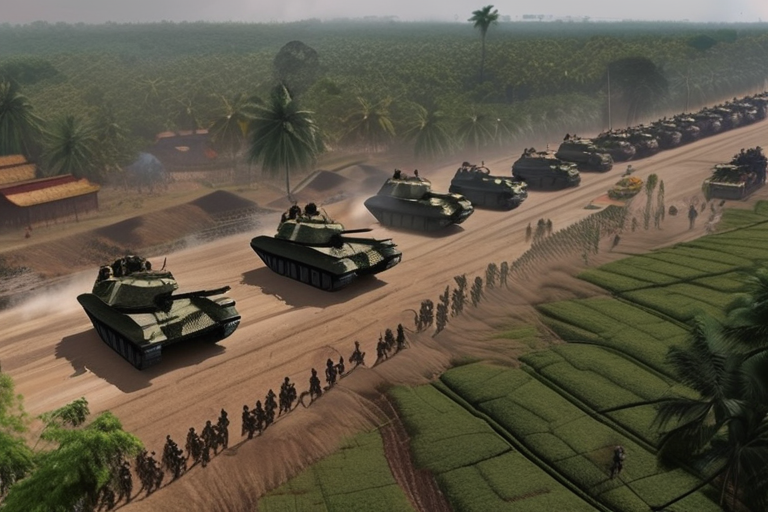
According to eyewitnesses, the clashes began on Monday morning in the disputed border region, with both sides exchanging artillery fire and small arms. "The situation is extremely volatile, with both sides dug in and refusing to back down," said a Malaysian official, who wished to remain anonymous. "We are doing our best to mediate a peaceful resolution, but it's proving to be a difficult task."
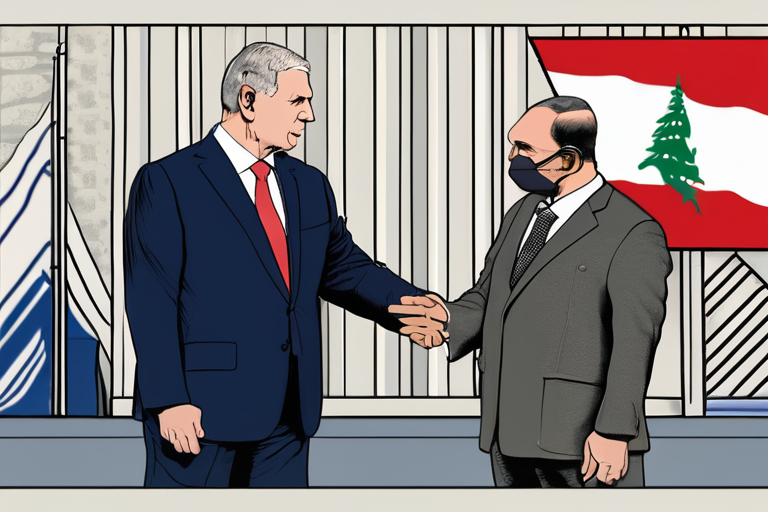
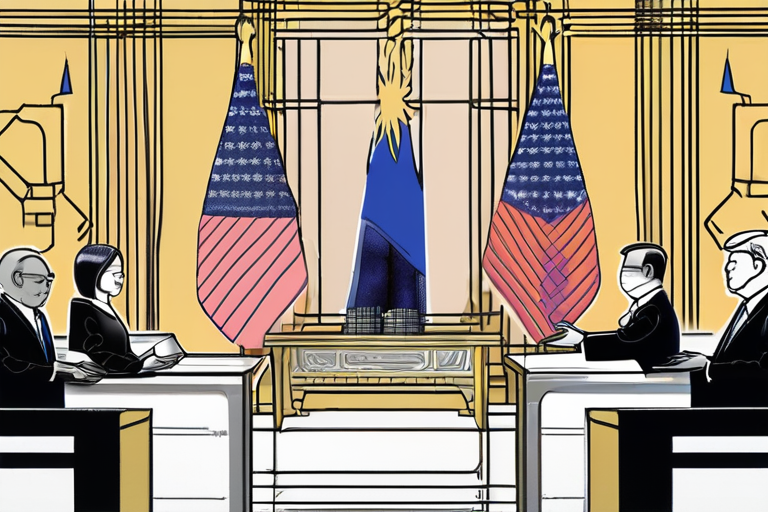
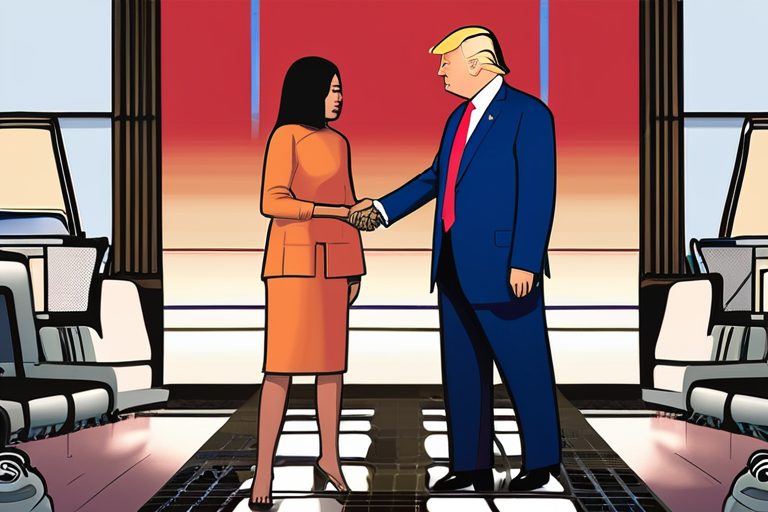
The Trump-brokered peace agreement, signed on November 20, 2025, was hailed as a major breakthrough in the long-standing conflict between Thailand and Cambodia. However, critics have long questioned the deal's legitimacy, citing concerns about the lack of meaningful concessions from both sides. "This is just another example of Trump's signature style of deal-making, where he gets a photo op and then leaves the hard work to others," said Dr. Emily Chen, a Southeast Asia expert at the University of California. "The fact that the agreement is already on the brink of collapse is a testament to the underlying flaws in the deal."
The conflict between Thailand and Cambodia has its roots in a long-standing border dispute, which has been exacerbated by competing claims to natural resources and territory. The two countries have a history of tensions, with previous clashes resulting in significant loss of life and displacement. The current violence has raised concerns about the potential for further escalation, with regional leaders urging calm and restraint.
In a statement, the US State Department expressed concern about the renewed violence and called for a peaceful resolution. "We urge both sides to refrain from further violence and to engage in meaningful dialogue to resolve their differences," said a spokesperson. "The US remains committed to supporting peace and stability in the region."
As the situation continues to unfold, regional leaders are scrambling to find a solution. The Association of Southeast Asian Nations (ASEAN) has called an emergency meeting to discuss the crisis, while the US is reportedly considering sending a high-level delegation to the region to help mediate a peaceful resolution. The outcome remains uncertain, but one thing is clear: the Trump-brokered peace agreement is on the brink of collapse, and the consequences will be far-reaching.
Trump's Ceasefire Fails: Deadly Clashes Erupt Between Thailand and Cambodia
1
0

Multi-Source Journalism
This article synthesizes reporting from multiple credible news sources to provide comprehensive, balanced coverage.
















Share & Engage Share
Share this article