

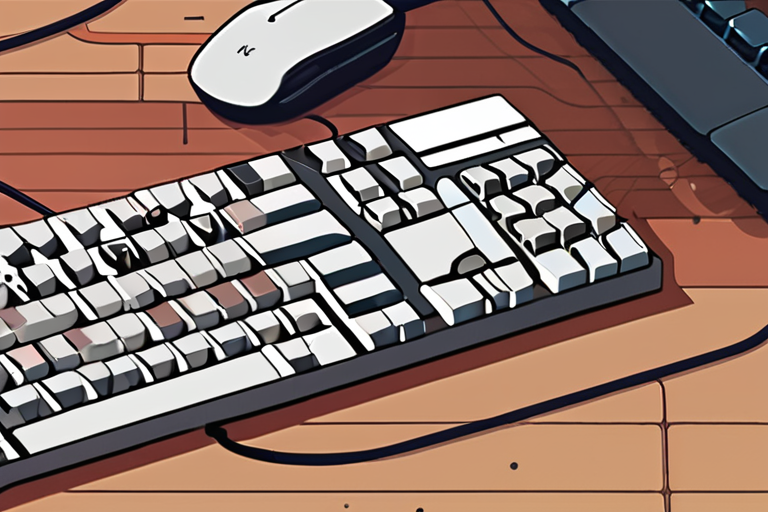
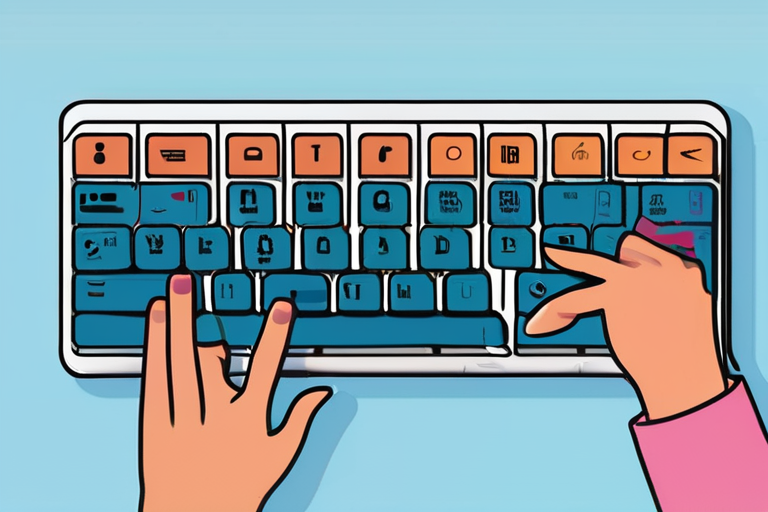
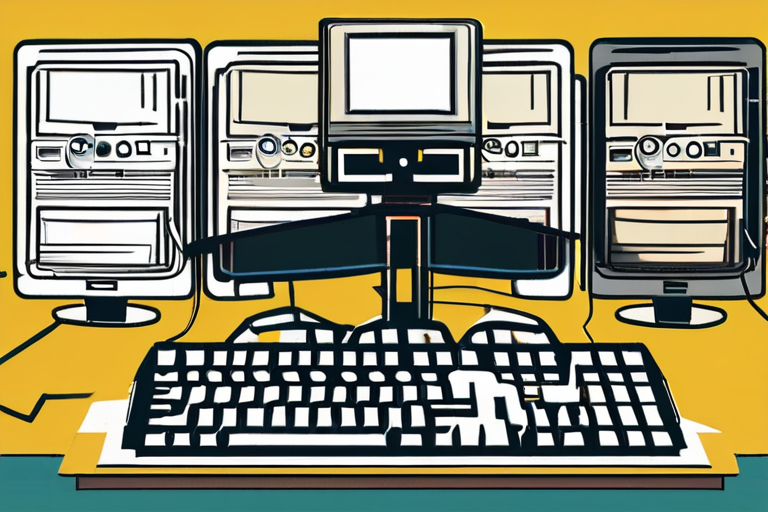
As she sat in front of her computer, fingers poised over the keyboard, Emily couldn't help but feel a sense of frustration. The keys felt clunky, the feedback was unresponsive, and the overall typing experience was a chore. She had tried countless keyboards over the years, but none seemed to meet her exacting standards. That was until she stumbled upon the world of mechanical keyboards. The tactile bump of the switches, the satisfying click of the keys, and the customization options that seemed endless - it was like a whole new world had opened up to her. But as she delved deeper into the world of mechanical keyboards, she realized that there was more to it than just finding the right keyboard. It was about creating a personalized interface between her and her computer, one that spoke to her unique typing needs and preferences.
For many enthusiasts, the world of mechanical keyboards can be overwhelming. The terminology alone - switches, mounting methods, materials, and modifications - can be daunting. But as Emily soon discovered, it's not just about finding the right keyboard; it's about creating a customized experience that fits her exact needs. "The keyboard is the most direct interface between us and our computers," says keyboard enthusiast and builder, Alex. "It should be the most personalized, not the most efficient or the best in any way. Find a keyboard you love, and you'll be happier for it."
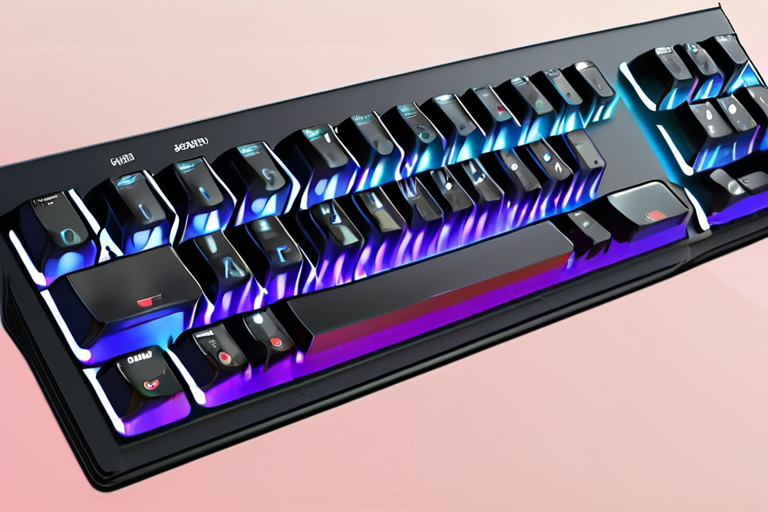
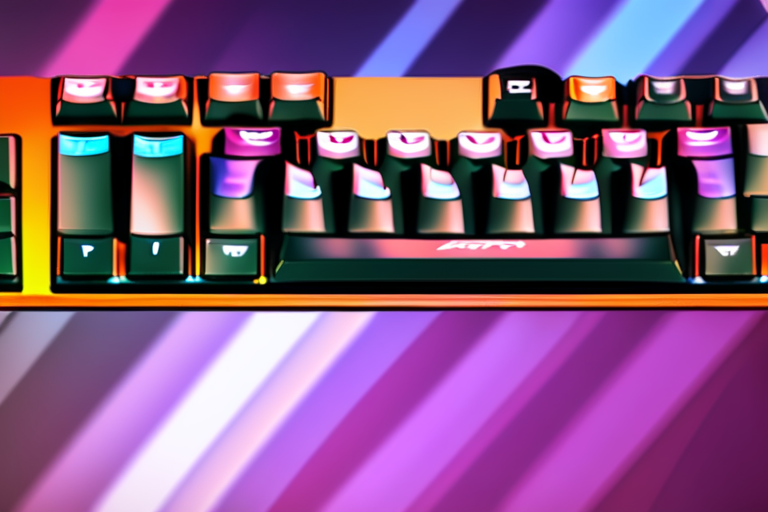
So, where do you start? The first step is to understand the basics of mechanical keyboards. At its core, a mechanical keyboard is a device that uses individual switches under each key to register keystrokes. These switches come in various types, each with its own unique feel and sound. From the tactile bump of Cherry MX Browns to the clicky feedback of Cherry MX Blues, the options are endless. But it's not just about the switches; it's also about the mounting method, the materials used, and the countless modifications that can be made.
For Emily, the journey began with research. She spent hours reading reviews, watching YouTube tutorials, and scouring online forums for advice. She discovered that the mounting method, for example, could greatly affect the typing experience. Some keyboards use a plate-mounted design, while others opt for a PCB (Printed Circuit Board) design. Each has its pros and cons, and the choice ultimately depends on personal preference.
As she delved deeper into the world of mechanical keyboards, Emily encountered a community of enthusiasts who shared her passion. They were a diverse group, united by their love of customization and innovation. From DIY builders who crafted their own keyboards from scratch to manufacturers who pushed the boundaries of design and technology, the community was alive with creativity and experimentation.
One such enthusiast is keyboard builder and designer, Max. His company, Max Keyboard, has been at the forefront of the mechanical keyboard revolution, producing innovative designs that cater to the needs of enthusiasts. "We're not just building keyboards; we're creating a personalized interface between the user and their computer," says Max. "It's about understanding the user's needs and preferences and translating that into a product that meets their exact requirements."
For Emily, the journey was not just about finding the right keyboard; it was about creating a customized experience that fit her unique typing needs and preferences. She spent hours experimenting with different switches, mounting methods, and modifications, gradually refining her setup until it felt like an extension of her own body. The result was a keyboard that was tailored to her exact needs, a device that spoke to her unique typing style and preferences.
As she sat in front of her computer, fingers poised over the keyboard, Emily felt a sense of satisfaction and contentment. The keys felt responsive, the feedback was tactile, and the overall typing experience was a joy. She had finally found her perfect match, a keyboard that was a true reflection of her personality and typing style. And as she looked out at the community of enthusiasts who shared her passion, she knew that she was not alone. The world of mechanical keyboards was a vibrant and dynamic community, united by a shared love of customization and innovation.
As the industry continues to evolve, one thing is clear: the world of mechanical keyboards is here to stay. With advancements in technology and design, the possibilities are endless. From customizable switches to innovative mounting methods, the options are limitless. And as Emily's story shows, it's not just about finding the right keyboard; it's about creating a personalized interface between the user and their computer. It's about understanding the user's needs and preferences and translating that into a product that meets their exact requirements. The future of mechanical keyboards is bright, and it's an exciting time to be a part of this vibrant and dynamic community.
Upgrade Your Typing Experience: Choosing the Perfect Mechanical Keyboard
1
0
Multi-Source Journalism
This article synthesizes reporting from multiple credible news sources to provide comprehensive, balanced coverage.



















Share & Engage Share
Share this article