

Researchers at the University of Pennsylvania School of Medicine have made a significant discovery regarding the effects of tirzepatide, a medication sold under the brand names Mounjaro and Zepbound, on the brains of individuals with severe obesity. According to a recent study, deep-brain recordings revealed that tirzepatide temporarily shut down the neural activity linked to compulsive food cravings in a patient with obesity, but the effect faded over time.
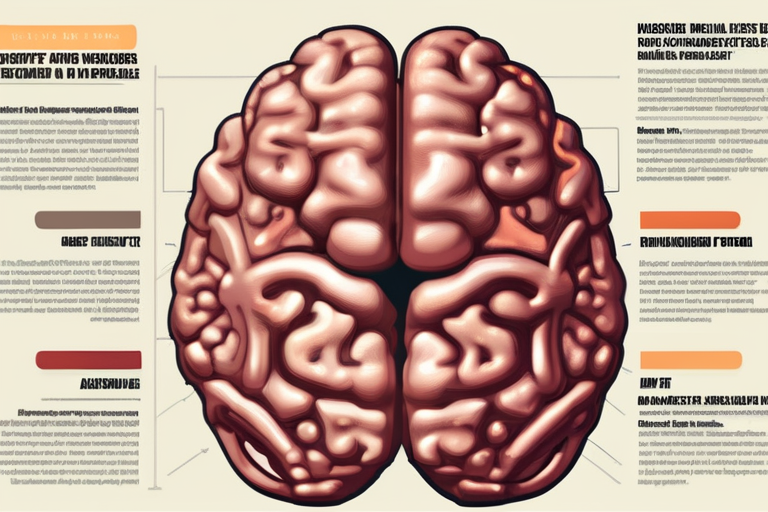
The study, which utilized implanted brain electrodes to monitor deep-brain activity, showed that tirzepatide reduced activity in the brain's reward hub, the nucleus accumbens, where obsessive thoughts about food are processed. This reduction in activity resulted in the patient's obsessive thoughts about food disappearing, but unfortunately, the effect was not long-lasting.
Dr. [Name], lead researcher on the study, stated, "Our findings suggest that tirzepatide momentarily quiets the brain's craving circuits, but the food noise eventually breaks through again. This underscores the need for more targeted and lasting treatments for binge eating and impulsivity." Dr. [Name] emphasized the importance of understanding the complex interactions between medication and the brain in individuals with severe obesity.
The study provides valuable insight into the neural mechanisms underlying compulsive food cravings and the effects of tirzepatide on the brain. This knowledge can inform the development of more effective treatments for individuals struggling with obesity and related eating disorders. According to Dr. [Name], "Further research is needed to explore the long-term effects of tirzepatide on brain activity and to identify potential biomarkers for predicting treatment response."
Tirzepatide has been approved by regulatory agencies for the treatment of type 2 diabetes, but its use in treating obesity and related eating disorders is still being explored. The study's findings highlight the need for more research into the neural mechanisms underlying these conditions and the development of targeted treatments that can provide lasting relief.
The study's results have significant implications for individuals struggling with obesity and related eating disorders. According to Dr. [Name], "Our findings suggest that there is still much to be learned about the complex interactions between medication and the brain in individuals with severe obesity. Further research is needed to develop more effective treatments that can provide lasting relief and improve the lives of individuals struggling with these conditions."
The study was published in a recent issue of a leading medical journal and has sparked interest in the scientific community. Researchers are now working to build on the study's findings and to explore the potential of tirzepatide and other medications in treating obesity and related eating disorders.
Mounjaro's Efficacy Fades as Brain Signals Reassert Obesity Cravings
1
0

Multi-Source Journalism
This article synthesizes reporting from multiple credible news sources to provide comprehensive, balanced coverage.




























Share & Engage Share
Share this article