
Arm CEO Rene Haas Predicts Widespread Adoption of Physical AI in Factories
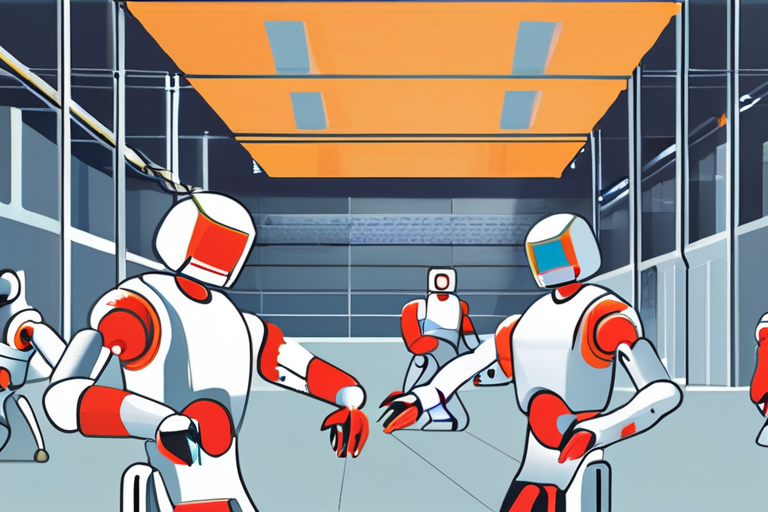
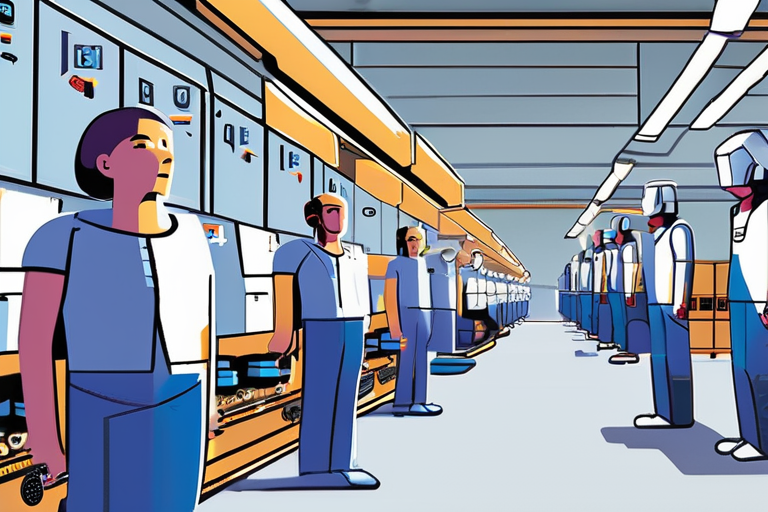
At Fortune Brainstorm AI in San Francisco, Arm CEO Rene Haas made a bold prediction that could significantly impact the manufacturing industry. According to Haas, AI-powered humanoid robots will automate large sections of factory work within the next five to 10 years, transforming the way goods are produced.
The financial implications of this shift are substantial. The global robotics market is projected to reach $135.6 billion by 2027, growing at a compound annual growth rate (CAGR) of 14.4% from 2022 to 2027. This growth is driven by increasing demand for automation in industries such as manufacturing, logistics, and healthcare. Arm, a leading provider of semiconductor and software design technology, is well-positioned to capitalize on this trend.
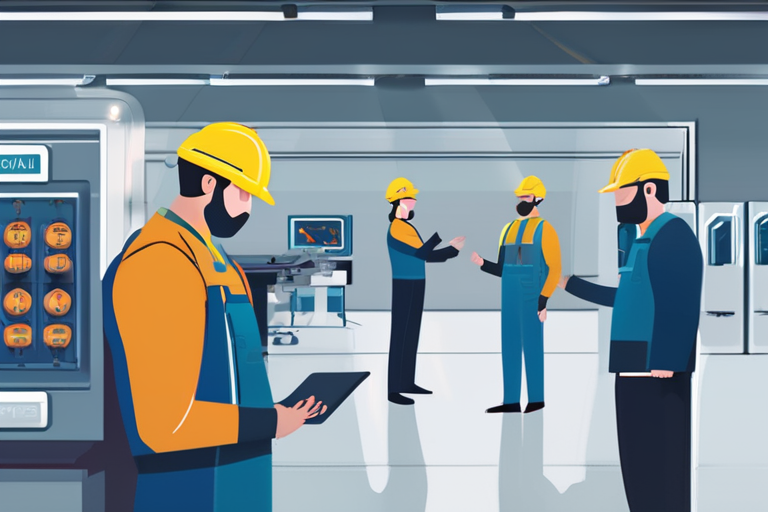
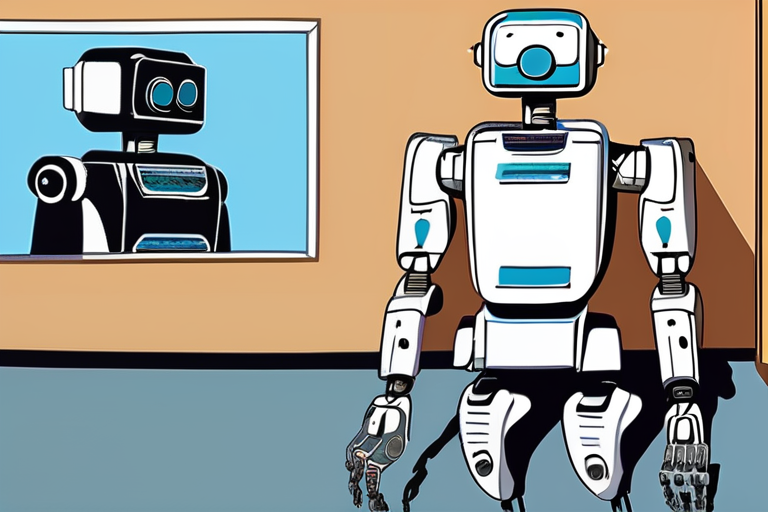
The market context is ripe for the adoption of physical AI in factories. Traditional factory robots are purpose-built machines designed for a single task, with both hardware and software optimized for that specific function. However, these robots are limited in their ability to adapt to changing production needs. In contrast, humanoid robots combined with sophisticated physical AI can take on different jobs on the fly with quick modifications to their instructions.
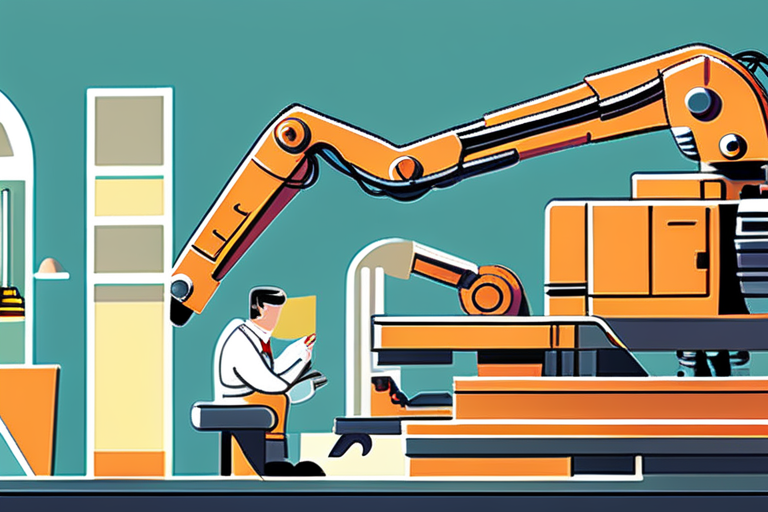
Arm's CEO Rene Haas emphasized the advantage of humanoid robots over traditional factory robots. "One of the issues you'd had with factory robots in the past is that if it was a pick and place machine for a factory, they're just optimized for one task – the software was for one task, the hardware is for one task," Haas said. "These physical AI robots can be reprogrammed into different tasks, which is a game-changer for the manufacturing industry."
The company background is essential to understanding the significance of Haas' prediction. Arm is a leading provider of semiconductor and software design technology, with a strong presence in the automotive, industrial, and consumer electronics markets. The company's technology is used in a wide range of applications, from smartphones and laptops to servers and data centers.
Looking ahead, the future outlook for physical AI in factories is bright. Haas' prediction that large sections of factory work will be replaced by robots within the next five to 10 years is a testament to the potential of this technology. As the global robotics market continues to grow, Arm is well-positioned to capitalize on this trend and drive innovation in the manufacturing industry.
The implications of this shift are far-reaching and will have a significant impact on society. As factories become more automated, the need for human labor will decrease, potentially leading to job displacement in certain industries. However, this trend also creates opportunities for workers to transition to new roles and industries, and for companies to invest in retraining and upskilling programs.
In conclusion, Arm CEO Rene Haas' prediction that physical AI will automate large sections of factory work within the next five to 10 years is a significant development in the manufacturing industry. As the global robotics market continues to grow, companies like Arm are well-positioned to capitalize on this trend and drive innovation in the industry.
Arm CEO Predicts Widespread Adoption of AI-Powered Robots in Factories
1
0
Multi-Source Journalism
This article synthesizes reporting from multiple credible news sources to provide comprehensive, balanced coverage.











Share & Engage Share
Share this article