

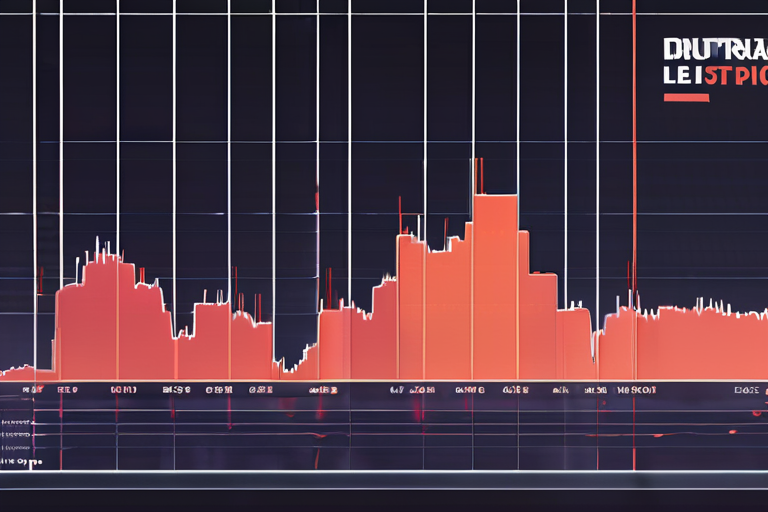
Silver prices surged to a record high of 61.6145 an ounce on Wednesday, as traders weighed the possibility of a rate cut by the US Federal Reserve and tight supply in the market. The white metal had broken above the $60 mark for the first time on Tuesday, and continued its upward momentum in the following days.
The price rise was driven by speculative money betting on a quarter-point rate reduction at the end of the Fed's December 9-10 meeting. Lower borrowing costs are typically a tailwind for non-yielding precious metals, which are often seen as a safe-haven asset during times of economic uncertainty. In bond markets, global yields have risen to highs last seen in 2009, further supporting the price of silver.
According to data from the London Bullion Market Association, the price of silver has risen by 15% in the past month, outpacing the price of gold, which has gained 5% over the same period. The rapid advance in silver prices has been driven by a combination of factors, including tight supply and strong demand from investors seeking safe-haven assets.
The supply of silver has been constrained by a decline in mine production and a reduction in scrap supply, which has led to a shortage of the metal in the market. At the same time, demand for silver has been strong, driven by its use in industrial applications, such as electronics and solar panels, as well as its appeal as a safe-haven asset.
The price of silver has significant implications for the mining industry, which has seen a decline in production in recent years. The rise in silver prices could provide a boost to mining companies, which could see an increase in revenue and profitability. However, the higher prices could also lead to increased costs for consumers, who may see higher prices for products that contain silver.
Looking ahead, the future outlook for silver prices is uncertain. While the possibility of a rate cut by the Fed could continue to support prices, a strong US dollar could weigh on the metal. Additionally, the supply of silver is expected to remain tight in the near term, which could continue to drive prices higher. However, the metal's price is also sensitive to changes in global economic conditions, and a downturn in the economy could lead to a decline in prices.
In conclusion, the price of silver has surged to a record high, driven by a combination of factors, including tight supply and bets on further monetary easing by the Fed. The implications of the price rise are significant, and could have a major impact on the mining industry and consumers. As the market continues to evolve, investors and consumers will need to closely monitor the price of silver and its underlying drivers.
Silver Prices Soar to Record High as Traders Weigh Rate Cut and Supply Crunch
1
0

Multi-Source Journalism
This article synthesizes reporting from multiple credible news sources to provide comprehensive, balanced coverage.









Share & Engage Share
Share this article