

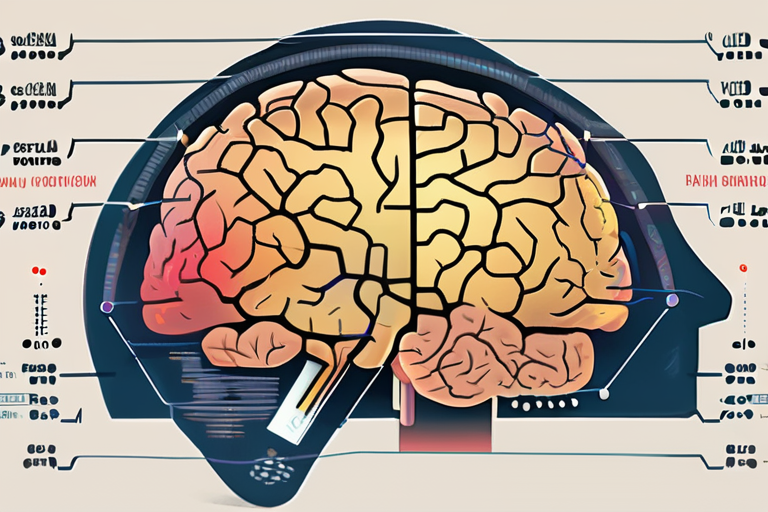
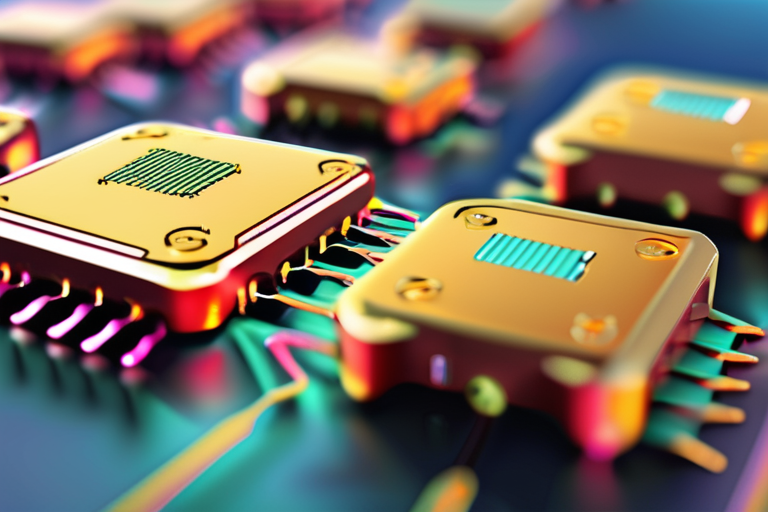
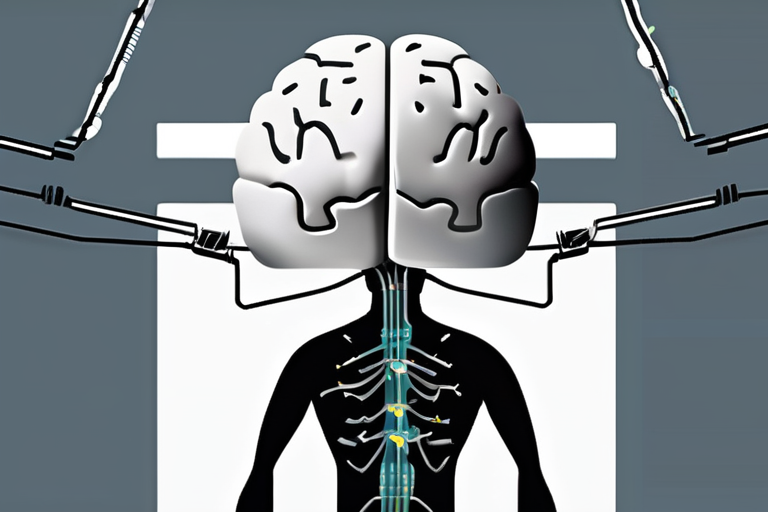
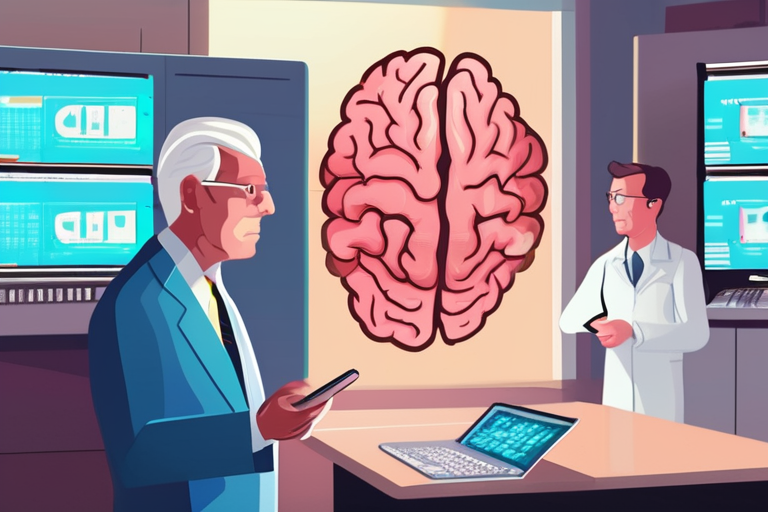
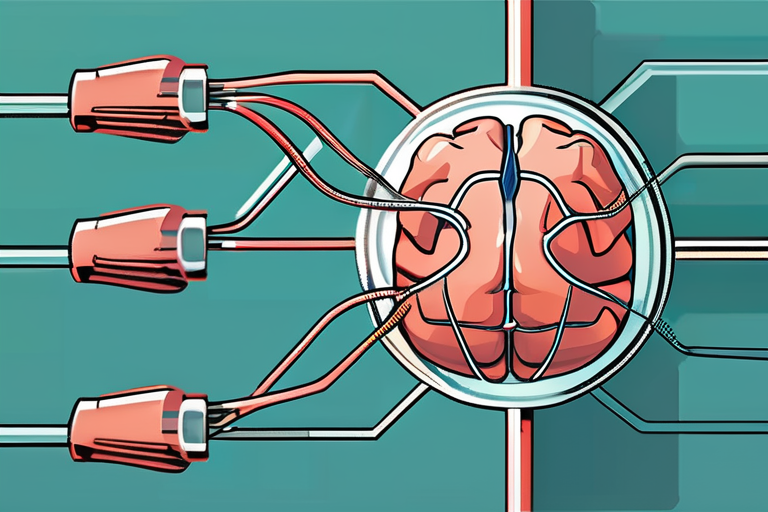
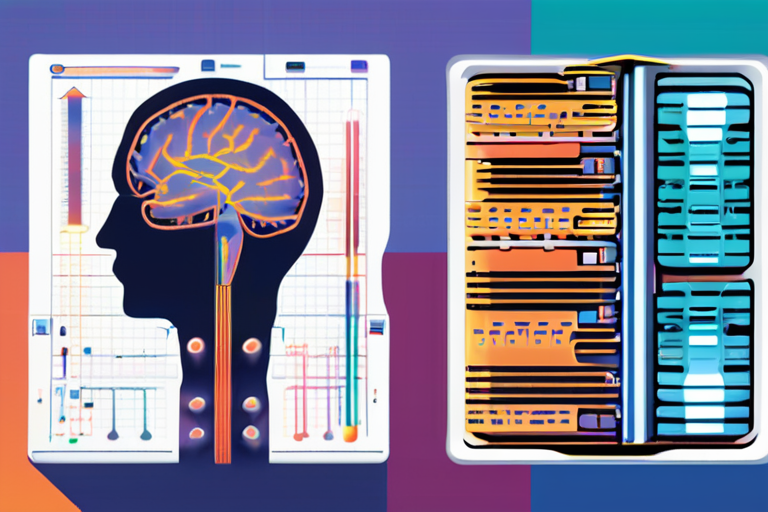
According to Dr. David Ruffner, the lead researcher on the project, the BISC implant is a significant advancement in the field of neural engineering. "Our goal was to create a device that could seamlessly integrate with the brain and provide a high-bandwidth connection to computers," Ruffner explained. "With BISC, we've achieved that goal, and the implications are vast." The implant's tiny single-chip design packs tens of thousands of electrodes, allowing for detailed neural activity to be captured and transmitted to computers.
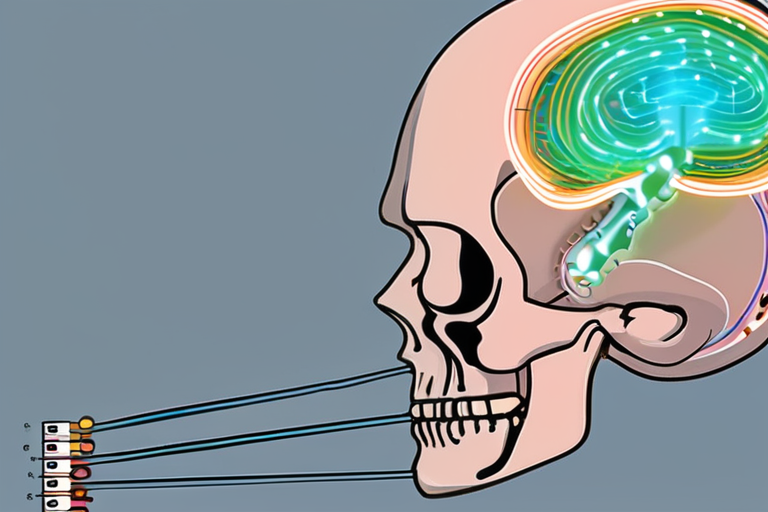
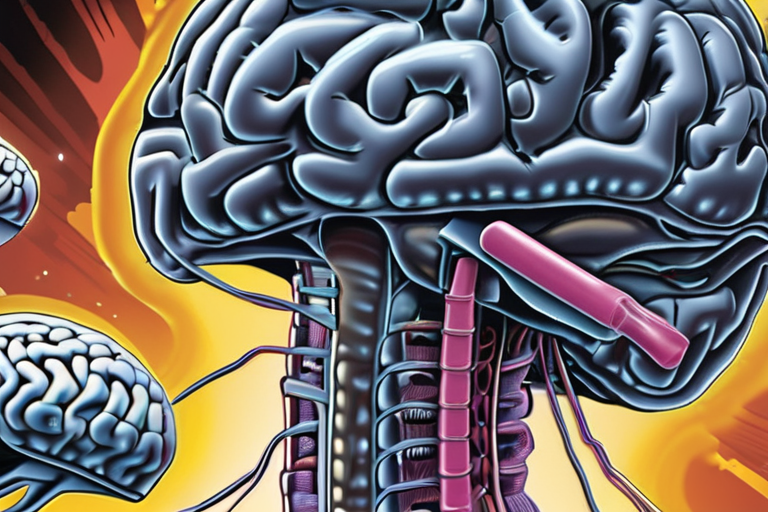
The BISC implant is roughly as thick as a human hair, making it a remarkably thin and flexible device. Its wireless link enables real-time communication between the brain and AI systems, opening up new possibilities for restoring lost function in individuals with conditions such as epilepsy, paralysis, and blindness. "This technology has the potential to revolutionize the way we treat neurological disorders," said Dr. Ruffner. "By decoding neural activity in real-time, we can develop more effective treatments and improve the quality of life for millions of people."
The development of BISC is a culmination of years of research in neural engineering and AI. The team at Columbia University has been working on the project since 2018, with a focus on creating a device that could seamlessly integrate with the brain. The BISC implant is a significant advancement in this field, and its implications extend beyond the realm of medical treatment. "This technology has the potential to change the way we interact with computers and AI systems," said Dr. Ruffner. "Imagine being able to control a computer with your thoughts, or communicating with others through a neural interface."
The BISC implant is currently in the early stages of clinical trials, with researchers working to refine the device and test its safety and efficacy. While the technology is still in its infancy, the potential for BISC to reshape the field of neural engineering is vast. As researchers continue to develop and refine the device, it is likely that we will see significant advancements in the treatment of neurological disorders and the development of new technologies that integrate with the brain.
In the near future, researchers plan to expand the capabilities of BISC, exploring new applications for the device and refining its design. "We're just beginning to scratch the surface of what's possible with BISC," said Dr. Ruffner. "As we continue to develop and refine the device, we'll see new and exciting applications emerge." With the potential to revolutionize the field of neural engineering, the BISC implant is a groundbreaking discovery that will likely have far-reaching implications for society.
Scientists Develop Breakthrough Brain Chip for Real-Time Thought Streaming
1
0
Multi-Source Journalism
This article synthesizes reporting from multiple credible news sources to provide comprehensive, balanced coverage.











Share & Engage Share
Share this article