

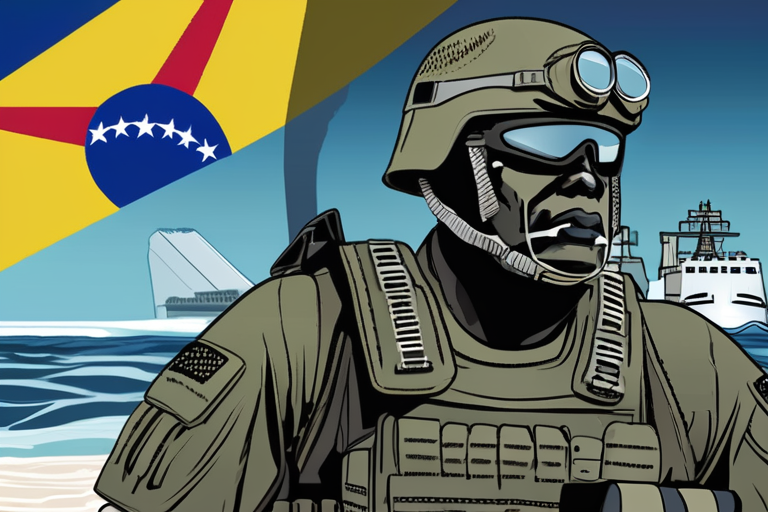
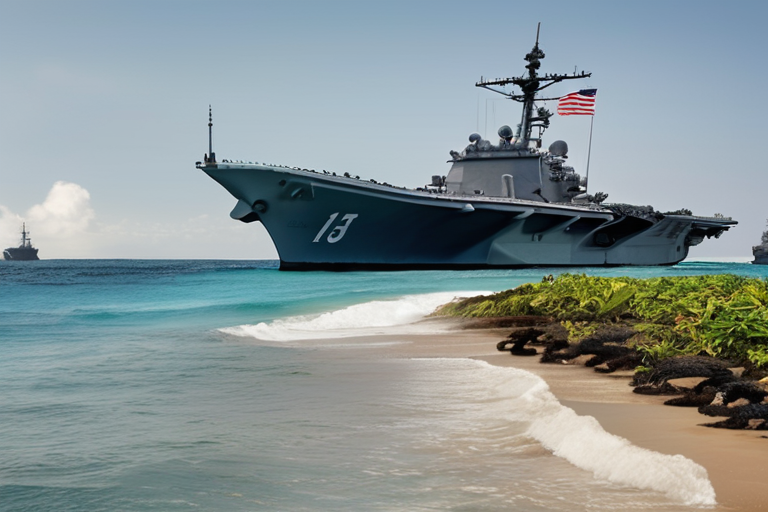
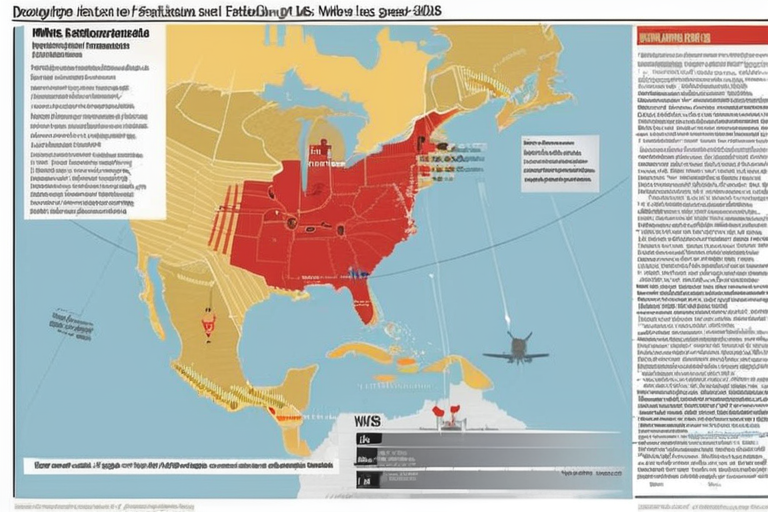
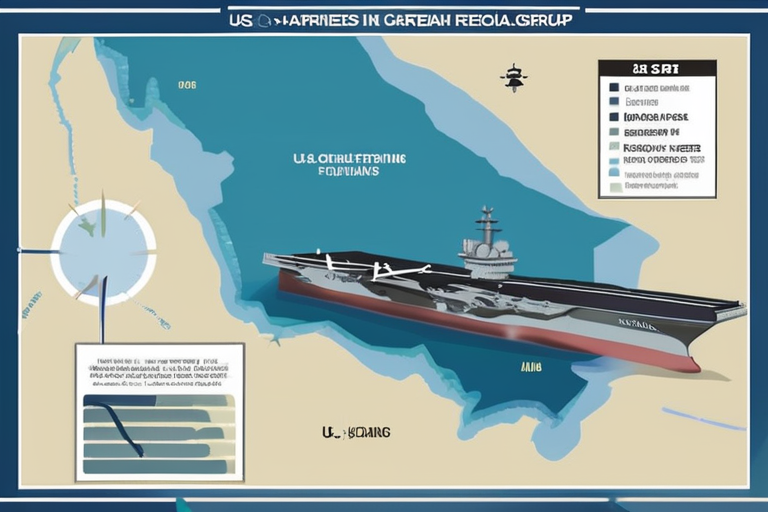
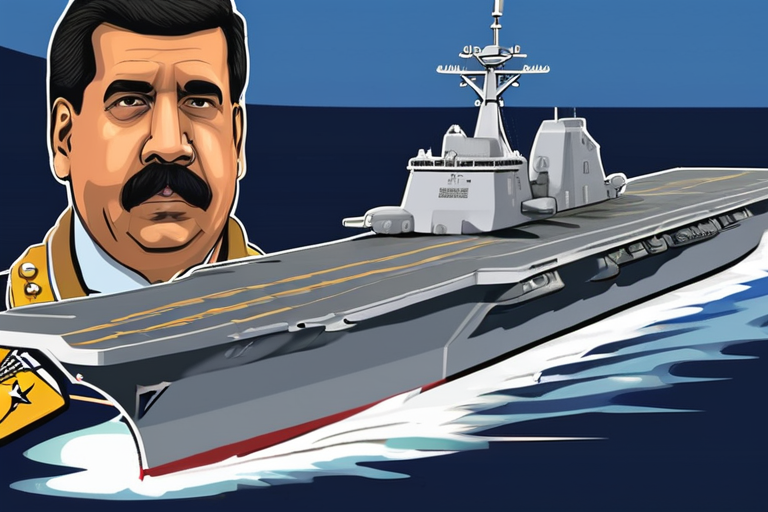
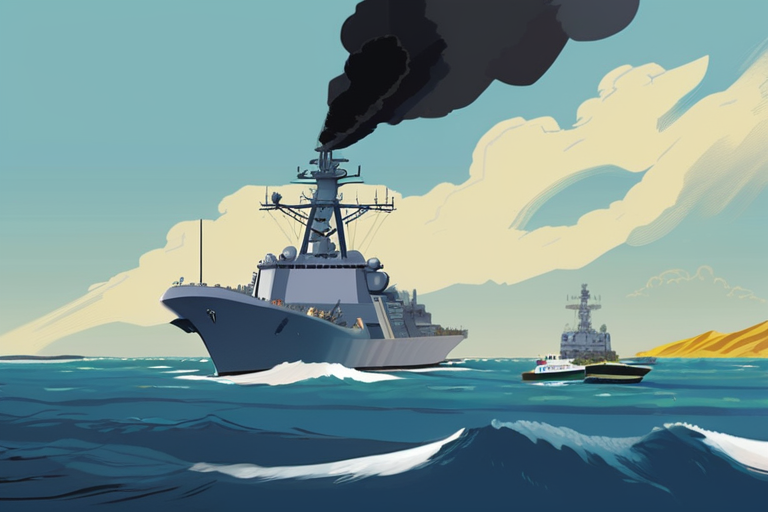
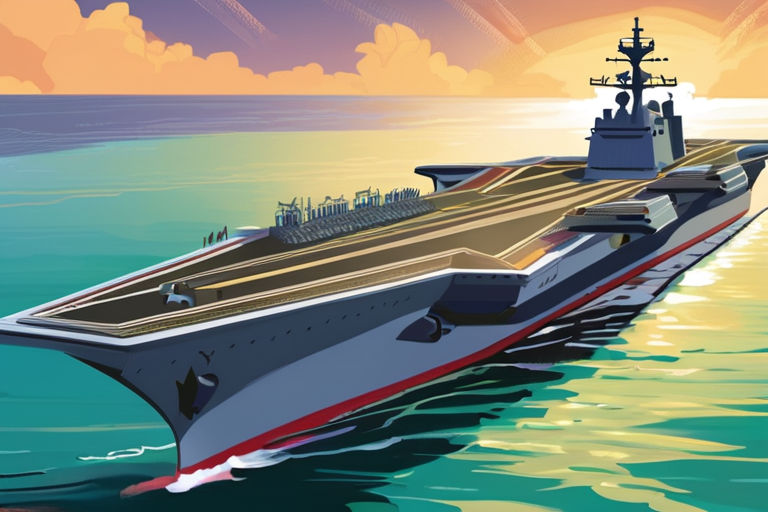
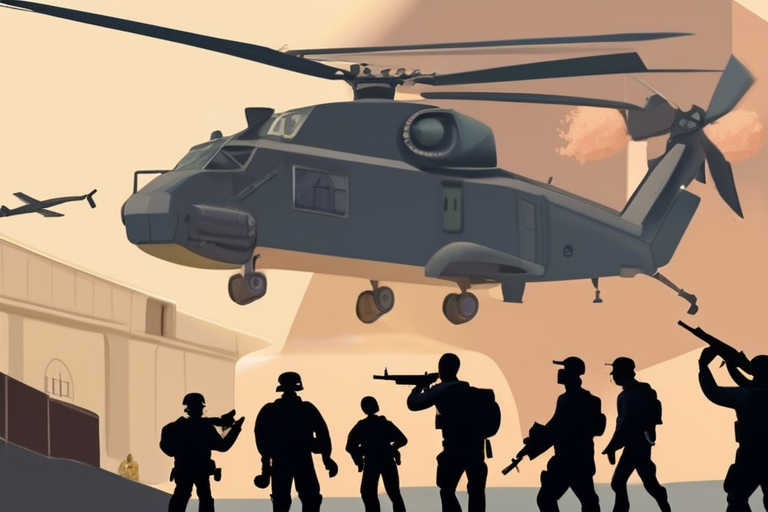
US officials reported that the US military has been conducting a significant buildup in the Caribbean, with a focus on Venezuela, amid escalating tensions between the two nations. The move has sparked concerns of a potential US-Venezuela war, with many questioning the motivations behind the US actions.
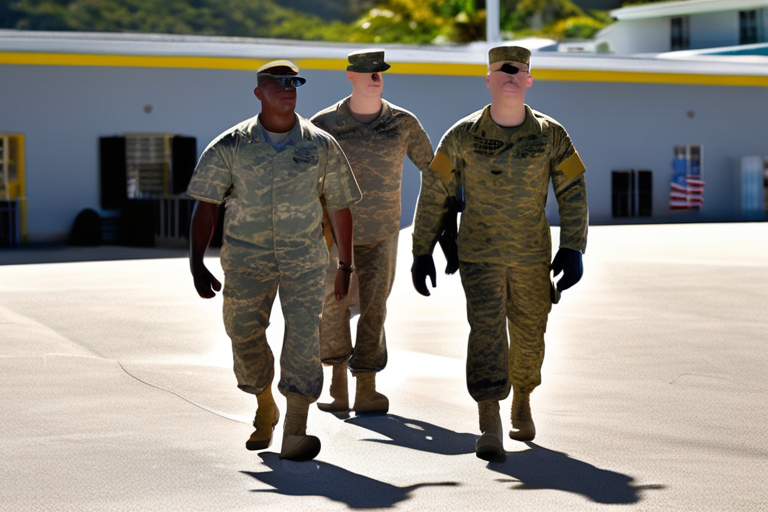
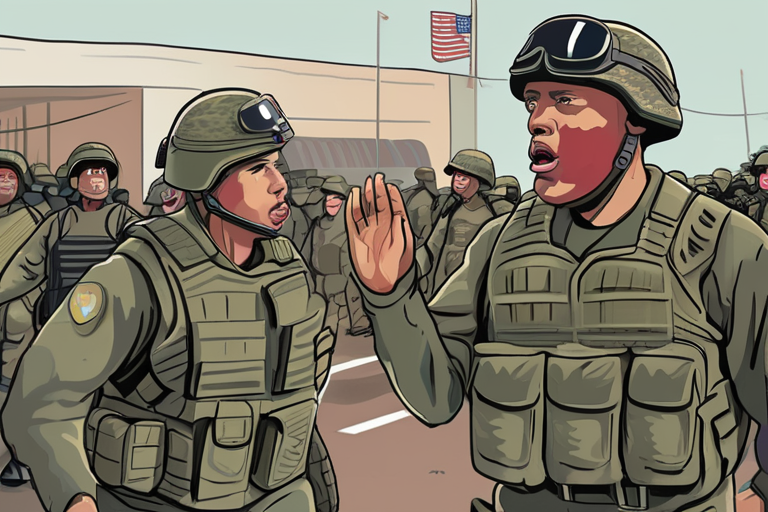
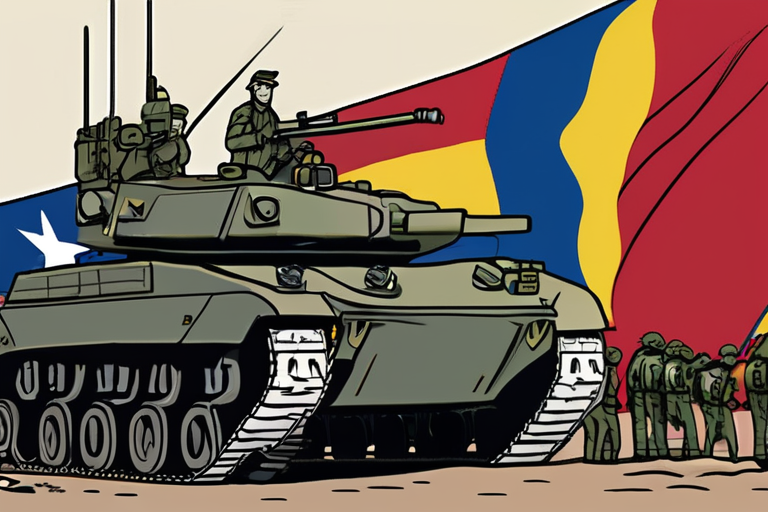
According to sources, the US has deployed troops and military equipment to the region, with some reports suggesting that the number of personnel has exceeded 5,000. The US has also imposed economic sanctions on Venezuela, further straining relations between the two countries.
"This is not just about Venezuela; it's about the entire region," said a senior US official, who spoke on condition of anonymity. "We're concerned about the security implications of a potential Venezuelan collapse, and we're taking steps to ensure our interests are protected."
The official's comments were echoed by US Secretary of State Marco Rubio, who stated that the US is committed to "supporting the Venezuelan people" and "countering the influence of authoritarian regimes in the region."
However, many experts and analysts have questioned the US motives, suggesting that the move may be driven by a desire to gain control over Venezuela's vast oil reserves. "The US is trying to justify its actions by pointing to the humanitarian crisis in Venezuela, but the reality is that this is about oil and geopolitics," said Dr. Maria Rodriguez, a Venezuela expert at the University of Miami.
The tensions between the US and Venezuela have been escalating for years, with the US imposing sanctions on the Venezuelan government and accusing it of human rights abuses. Venezuela, in turn, has accused the US of meddling in its internal affairs and attempting to overthrow the government.
The current situation is a complex web of historical, cultural, and economic factors. Venezuela has long been a key player in the region, with its oil reserves making it a crucial player in global energy markets. The country's economic collapse in the 2010s led to widespread poverty and instability, with many Venezuelans fleeing the country in search of better living conditions.
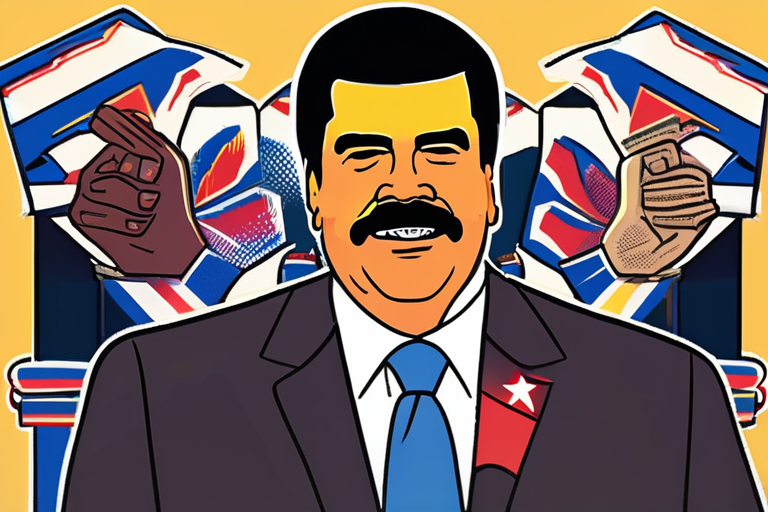
The US has a long history of intervention in Latin America, with many countries in the region viewing the US with suspicion. The US has also been critical of Venezuela's authoritarian government, led by President Nicolas Maduro, who has been accused of human rights abuses and electoral manipulation.
As the situation continues to unfold, many are left wondering what the future holds for the region. "We're at a critical juncture, and the next few weeks will be decisive," said Dr. Rodriguez. "If the US and Venezuela can't find a way to de-escalate tensions, the consequences could be catastrophic."
The US and Venezuelan governments have yet to comment on the current situation, but it is clear that the stakes are high and the consequences of a potential war could be severe.
US Military Buildup in Caribbean Sparks Fears of Venezuela Conflict
1
0
Multi-Source Journalism
This article synthesizes reporting from multiple credible news sources to provide comprehensive, balanced coverage.





Share & Engage Share
Share this article