

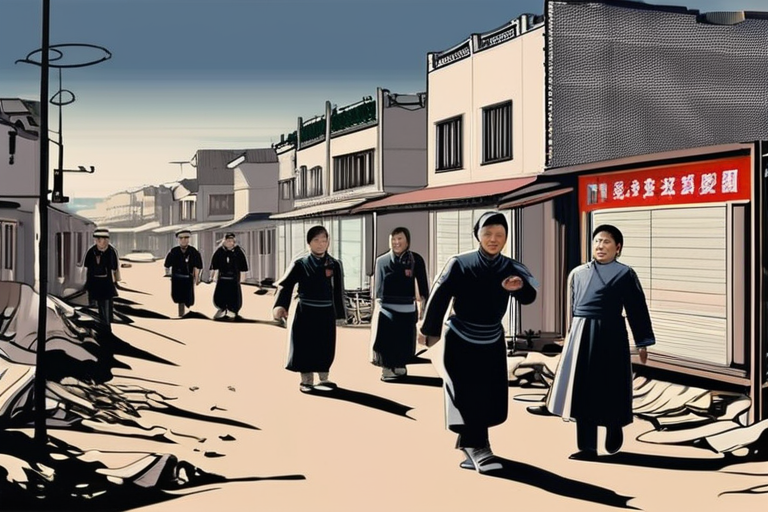
Shares fell in the Chinese meme world in 2025 as the term "involution" gained widespread acceptance in the country's policymaking circles. The Mandarin Chinese word for "involution," neijuan, has become a ubiquitous slang term to describe feelings of burnout and dispiritedness among students, parents, and workers.
According to sources close to the Chinese government, the term "involution" was first introduced in the country's policymaking circles in early 2025. The government has since incorporated the concept into its policies aimed at addressing the growing issue of burnout among the country's workforce. "We recognize that the concept of involution is not just a cultural phenomenon but a symptom of a deeper issue," said a government spokesperson. "Our policies aim to address the root causes of burnout and provide support to those affected."
The term "involution" was first coined in the 1960s by American anthropologist Clifford Geertz, who used it to describe the phenomenon of people working harder but yielding less in Dutch colonial society in Indonesia. The term gained traction in niche academic circles and was later adopted by Chinese scholars, including Philip Huang, who used it in a seminal study on the effects of capitalism on Chinese society.
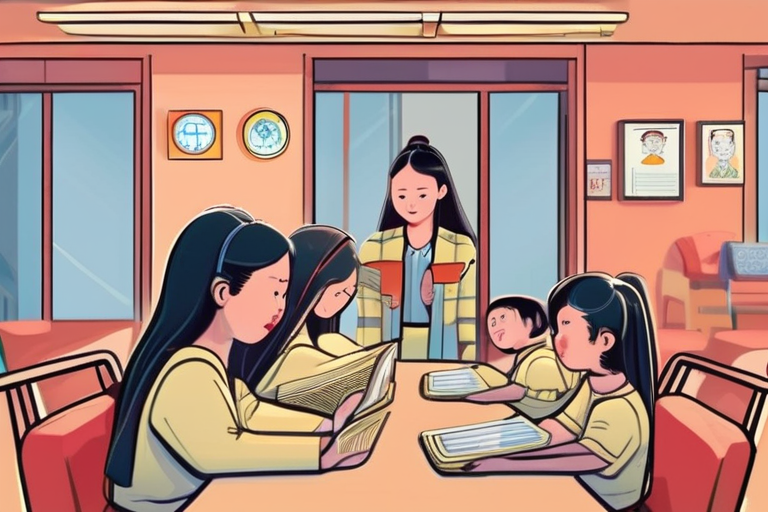
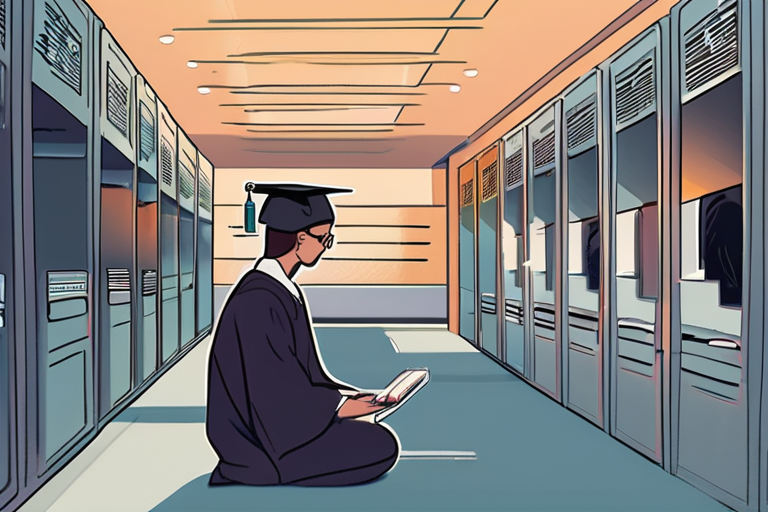
The concept of involution has resonated with many in China, particularly among students who are exhausted by the relentless academic competition and parents who are overwhelmed by social expectations. "I feel like I'm constantly running on a treadmill and getting nowhere," said a university student in Beijing. "The pressure to succeed is suffocating, and I feel like I'm losing myself in the process."
The Chinese government's recognition of the concept of involution is seen as a significant step towards addressing the growing issue of burnout in the country. According to a report by the Chinese Ministry of Education, the number of students seeking mental health support has increased by 30% in the past year alone. The government has pledged to provide more resources and support to students and workers affected by burnout.
As the concept of involution continues to gain traction in China, policymakers and scholars are working to develop effective solutions to address the issue. "We need to recognize that burnout is not just a personal problem but a societal issue that requires a collective response," said a leading economist. "By acknowledging the concept of involution, we can begin to develop policies that address the root causes of burnout and promote a healthier and more sustainable work-life balance."
China Embraces 'Involution' as Widespread Burnout Grips Students and Parents
1
0
Multi-Source Journalism
This article synthesizes reporting from multiple credible news sources to provide comprehensive, balanced coverage.

























Share & Engage Share
Share this article