

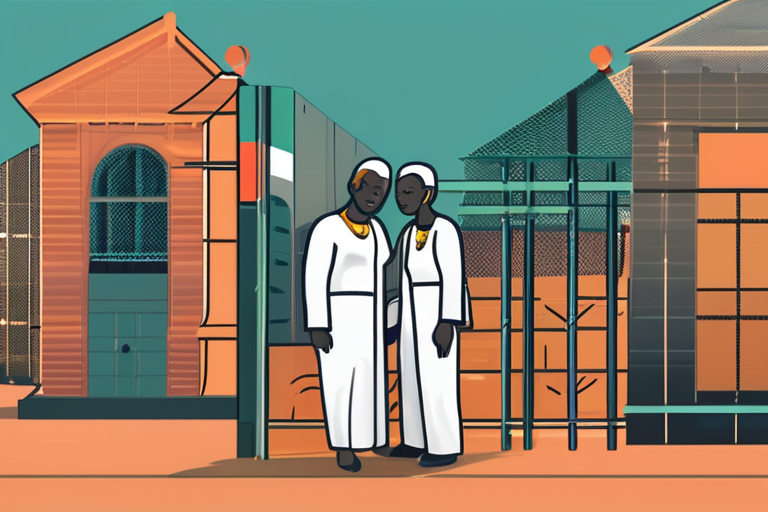
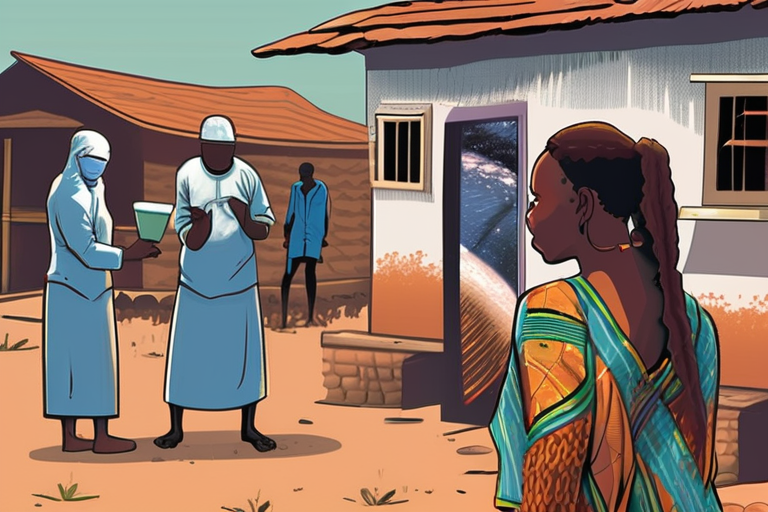
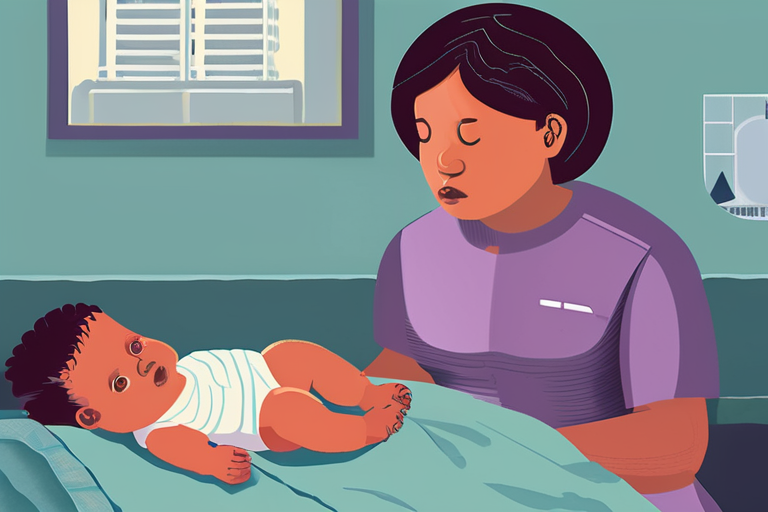
As of 2022, the number of people affected by trachoma, a bacterial infection that can lead to blindness, had decreased by 90% in some countries, thanks to efforts by organizations such as the United States Agency for International Development (USAID). Diango Tounkara, a 51-year-old woman from Mali, was one of the beneficiaries of this program. She had been suffering from trachoma for years, but after receiving antibiotic treatment and surgery, her vision improved significantly. "I didn't know what was wrong," she said in Bambara, a language spoken in her native Mali. "It was getting worse and worse by the day." Tounkara's story is a testament to the effectiveness of these programs, but it also highlights the challenges that remain.
Neglected tropical diseases, which include trachoma, river blindness, and lymphatic filariasis, among others, affect an estimated 1.7 billion people worldwide. These diseases are often caused by parasites, bacteria, or viruses, and are typically found in tropical and subtropical regions. They can be spread through vectors such as mosquitoes, flies, and snails, and can also be transmitted through contaminated water and food.
Dr. Peter Hotez, a leading expert on neglected tropical diseases, notes that the progress made in recent years is at risk due to various factors. "We're seeing a decline in funding for these programs, which is making it difficult to sustain the momentum," he said. "Additionally, we're seeing increased resistance to treatments, which is making it harder to control these diseases." Hotez, who is the co-director of the Center for Vaccine Development at Texas Children's Hospital, emphasizes the need for continued investment in these programs.
The current status of the fight against neglected tropical diseases is complex. While progress has been made in some areas, there are still significant challenges to overcome. The World Health Organization has set targets to eliminate these diseases by 2030, but it remains to be seen whether these goals will be met. In the meantime, organizations such as USAID and the Bill and Melinda Gates Foundation continue to work towards controlling and eliminating these diseases.
As the situation continues to unfold, it remains to be seen how 2025 will shape the fight against neglected tropical diseases. Will funding cuts and increased resistance to treatments derail the progress made in recent years, or will organizations and governments find ways to overcome these challenges? Only time will tell, but one thing is certain: the fight against these diseases is far from over.
Progress Against Neglected Tropical Diseases Threatened by New Challenges
1
0
Multi-Source Journalism
This article synthesizes reporting from multiple credible news sources to provide comprehensive, balanced coverage.
























Share & Engage Share
Share this article