

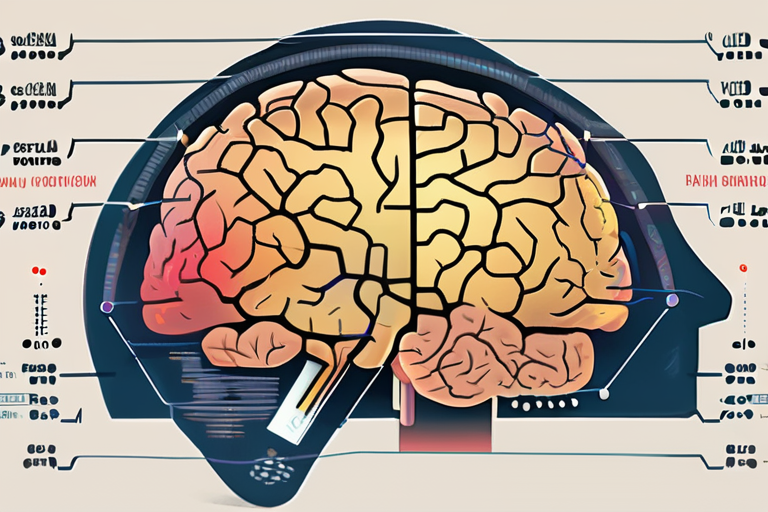
According to Dr. Joseph Pancrazio, a professor of biomedical engineering at Columbia University, the BISC implant has shown promising results in initial clinical work, demonstrating its ability to be inserted through a small opening in the skull and remain stable while capturing detailed neural activity. "This technology has the potential to revolutionize the way we interact with computers and could significantly reshape treatments for conditions such as epilepsy, paralysis, and blindness," Dr. Pancrazio said.
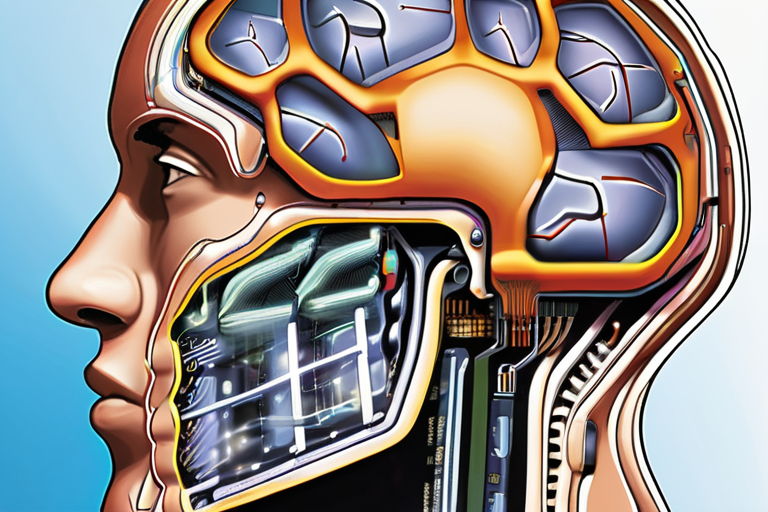
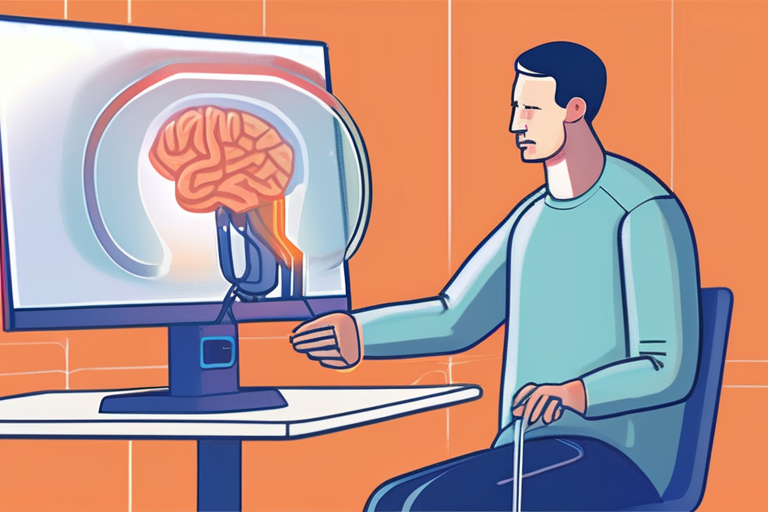
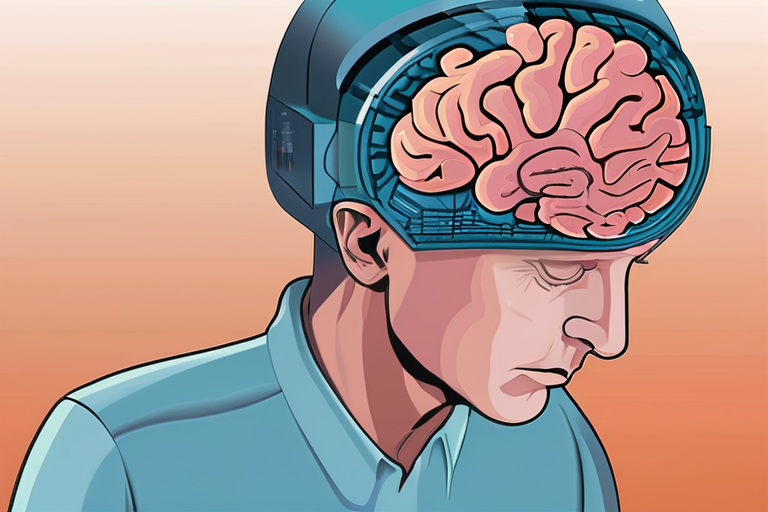
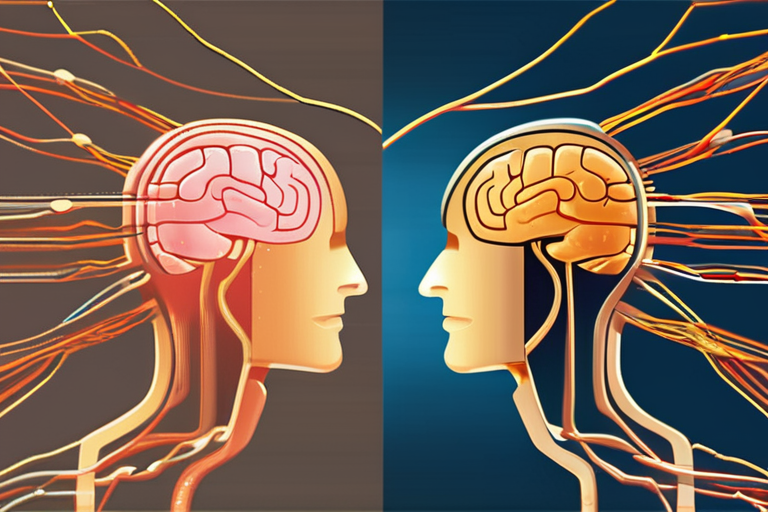
The BISC implant is a significant advancement in the field of neural engineering, allowing for a fast and wireless pathway between the brain and AI systems. This breakthrough has the potential to enable people with paralysis or other motor disorders to control devices with their thoughts, restoring a sense of independence and autonomy. Additionally, the technology could be used to develop more effective treatments for epilepsy, spinal cord injuries, ALS, and stroke.
The development of BISC is the result of years of research and collaboration between scientists and engineers at Columbia University. The team has been working on the project since 2018, with the goal of creating a neural implant that could seamlessly integrate with AI systems. "We're not just talking about a simple brain-computer interface," said Dr. Pancrazio. "We're talking about a sophisticated system that can decode complex neural signals and enable people to interact with the world in new and innovative ways."
The implications of this technology are far-reaching and have the potential to impact various aspects of society. For instance, the ability to control devices with one's thoughts could revolutionize the way people with disabilities interact with the world. Additionally, the technology could be used to develop more effective treatments for a range of neurological disorders, improving the quality of life for millions of people worldwide.
As for next developments, the Columbia University team is planning to continue refining the BISC implant and exploring its potential applications. They are also working with clinicians and researchers to develop new treatments and therapies that can take advantage of this technology. While there are still many challenges to overcome, the potential of BISC is vast, and its impact on society is likely to be significant in the years to come.
Breakthrough Brain Chip Streams Thoughts in Real-Time, Revolutionizing Neurotechnology
1
0
Multi-Source Journalism
This article synthesizes reporting from multiple credible news sources to provide comprehensive, balanced coverage.






Share & Engage Share
Share this article