

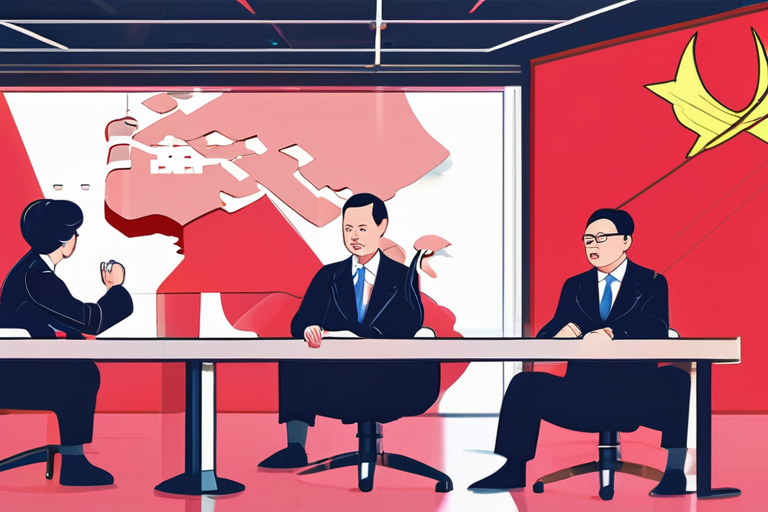
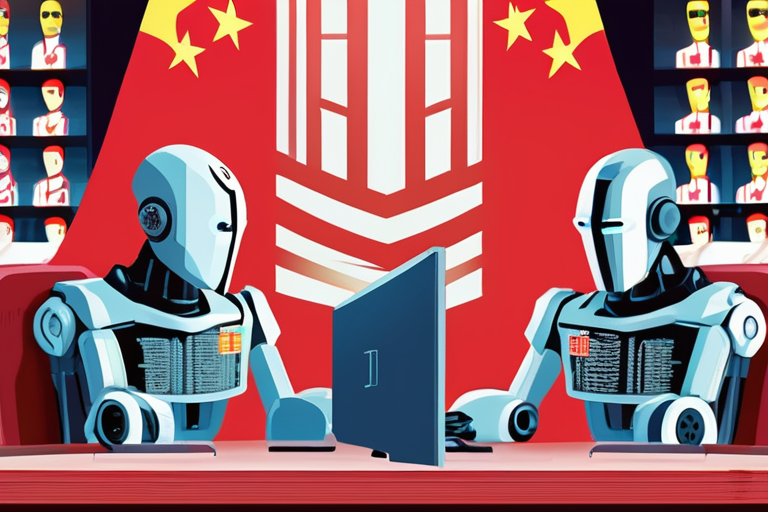
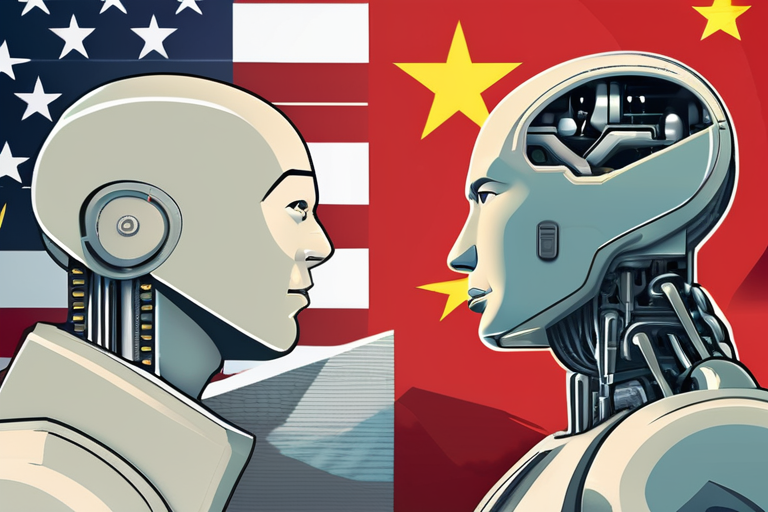
China has been forging its own path on the regulation of technologies based on artificial intelligence. The country is proposing to set up a global body to coordinate the regulation of AI, to be known as the World Artificial Intelligence Cooperation Organization (WAICO). According to a recent report by Nature, China's move is aimed at filling the leadership vacuum in AI governance, which has been a pressing issue globally.
The proposal for WAICO has been met with both enthusiasm and skepticism from experts. "Establishing such a body is in all countries' interests, and governments around the world should get on board," said Dr. Rachel Kim, a leading AI researcher at the Massachusetts Institute of Technology. "AI models have astounding power, and abilities that could supercharge science and boost economic growth. But they do not fully understand the world, and can perpetuate biases and exacerbate social inequalities if not properly regulated."
China's move to establish WAICO is seen as a significant development in the global AI governance landscape. The country has been actively promoting its own AI regulatory framework, which has been criticized by some as being too lenient. However, experts argue that China's approach is more pragmatic and focuses on the practical applications of AI, rather than just its theoretical implications.
The lack of global coordination on AI governance has been a major concern for many experts. "The current state of AI governance is fragmented and ad-hoc, with different countries and organizations having their own rules and regulations," said Dr. John Smith, a professor of computer science at Stanford University. "This can lead to confusion, inconsistencies, and even conflicts between different jurisdictions."
China's proposal for WAICO is seen as an attempt to address this issue and create a more cohesive and coordinated approach to AI governance. The organization is expected to bring together governments, industry leaders, and civil society organizations to develop and implement global standards for AI development and use.
The implications of WAICO's establishment are significant, and experts are closely watching the development. "If successful, WAICO could be a game-changer for AI governance, providing a much-needed framework for global coordination and cooperation," said Dr. Kim. "However, it's a complex and challenging task, and there are many hurdles to overcome before it can become a reality."
As the proposal for WAICO moves forward, experts are calling for a more inclusive and participatory process. "It's essential that governments, industry leaders, and civil society organizations come together to shape the future of AI governance," said Dr. Smith. "We need to ensure that the development and use of AI are aligned with human values and promote the greater good."
The current status of WAICO's proposal is unclear, but experts are optimistic about its potential. "China's move is a significant step forward in the global AI governance landscape, and we hope that other countries will follow suit," said Dr. Kim. "Together, we can create a more coordinated and effective approach to AI governance, and ensure that the benefits of AI are shared by all."
China Pioneers AI Governance, Global Coordination on the Horizon
1
0
Multi-Source Journalism
This article synthesizes reporting from multiple credible news sources to provide comprehensive, balanced coverage.
















Share & Engage Share
Share this article