

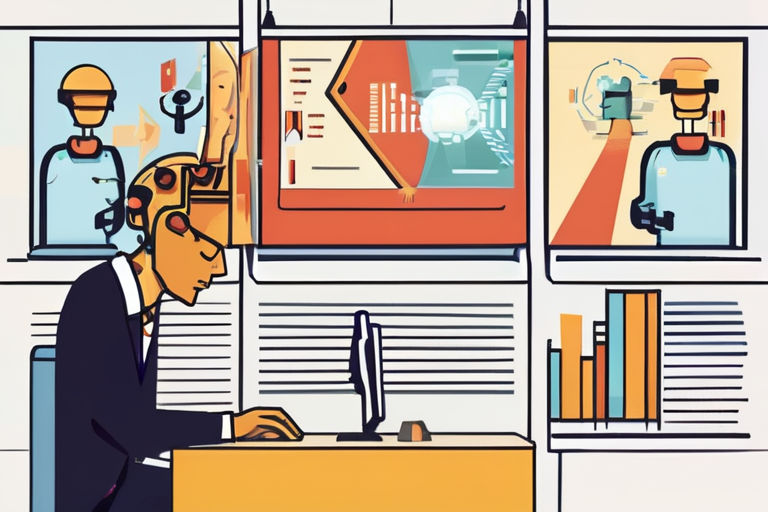
According to Danielle Perszyk, a Cognitive Scientist at Amazon's AGI SF Lab, managers currently spend a significant amount of time bogged down with digital tools and administrative tasks. "Whether you are a manager or an IC, you are tethered to your computer screen, and all of the productivity apps that we are using are actually undermining our productivity," Perszyk said. AI agents functioning as universal teammates and doing some of these tasks could help managers escape this cycle, allowing them to focus on strategy.
Aashna Kircher, Group General Manager in the Office of the CHRO at Workday, echoed Perszyk's sentiments, stating that this could free up managers' time for other kinds of work. "The role of the manager will very much be as a coach and enabler and a team work director," Kircher said. "This is a fundamental shift in how we think about management and leadership."
The trend of flattening organizations and automating routine work is not new, but it has gained momentum in recent years. Companies are looking to AI to help them streamline their operations and improve productivity. By eliminating management layers and automating routine tasks, companies can reduce bureaucracy and increase efficiency.
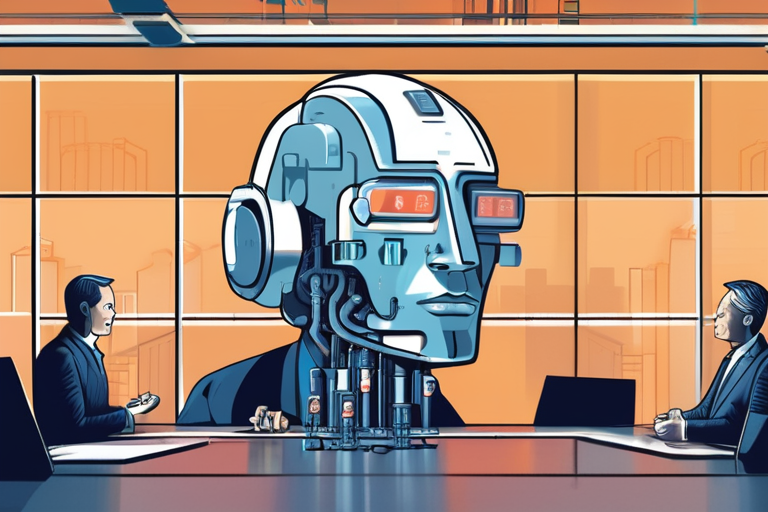
Industry leaders at Fortune's Brainstorm AI conference highlighted the potential benefits of this shift. "AI is not just a new tool for the modern workplace; it's already quietly reshaping how some companies are organized," said one speaker. By leveraging AI to automate routine work, companies can free up their human resources to focus on higher-level tasks and strategy.
The implications of this shift are far-reaching and have significant implications for society. As AI takes over routine work, companies will need to redefine the role of human managers and rethink their organizational structures. This could lead to a more agile and responsive workforce, but it also raises questions about job displacement and the need for workers to upskill and reskill.
The current status of this trend is that companies are actively exploring the use of AI to automate routine work and flatten their organizational structures. This is a developing story, and it will be interesting to see how companies continue to adapt and evolve in response to the changing landscape of work.
AI Liberates Managers from Busywork, But Raises Questions About Productivity and Expectations
1
0

Multi-Source Journalism
This article synthesizes reporting from multiple credible news sources to provide comprehensive, balanced coverage.










Share & Engage Share
Share this article