

Natasha Lyonne's Hollywood Dream Deferred
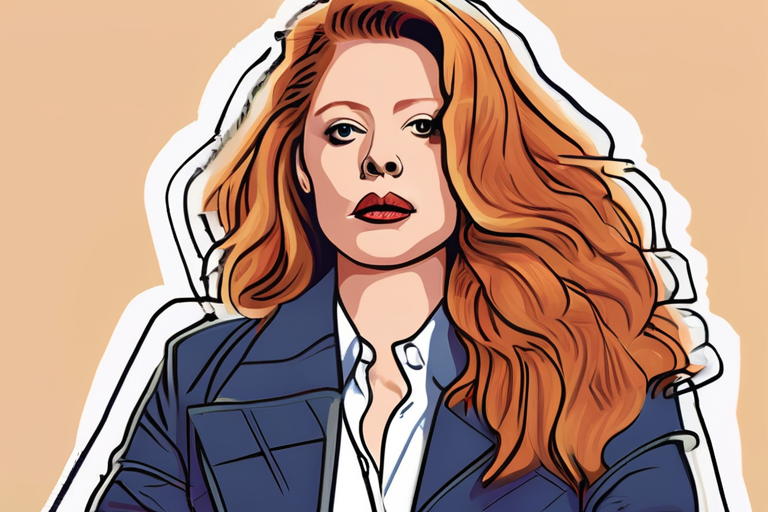
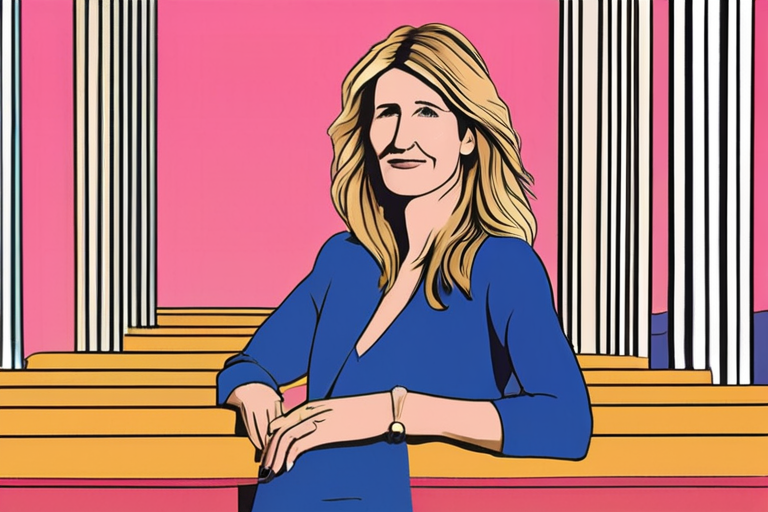
Natasha Lyonne, the actress, director, and wild-style futurist, has always been a rebel at heart. She dropped out of NYU to watch movies at the Film Forum, a decision that would shape her future in the film industry. Now, at 46, she's co-founder of the media production company Animal Pictures, and her latest passion project is using her platform to shape the future of AI. But Lyonne's not just talking about the tech – she's calling out the industry for its lack of humanity.
Growing up in New York City, Lyonne was always drawn to the world of film. She spent her teenage years watching movies at the iconic Film Forum, a hub for independent cinema. It was there that she discovered her love for storytelling and the art of filmmaking. But instead of following the traditional path, Lyonne decided to drop out of NYU to pursue her passion. It was a bold move, but one that would ultimately lead her to where she is today.
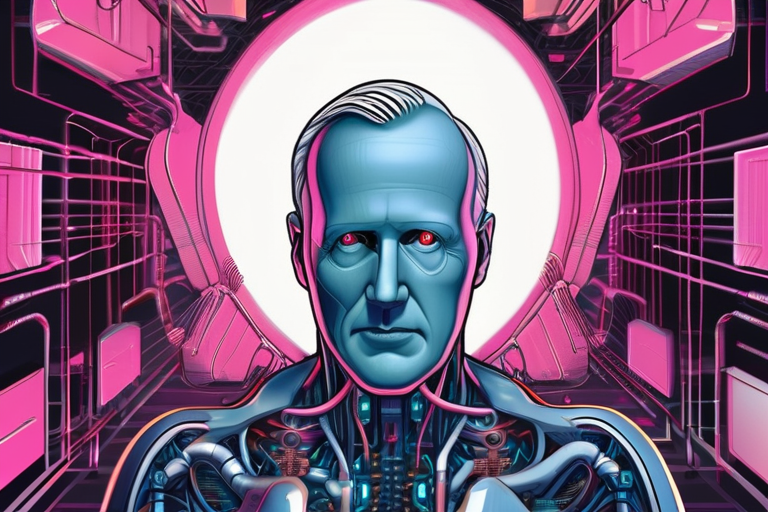
Fast-forward to the present, and Lyonne is at the forefront of the AI revolution. She's fascinated by the possibilities of technology, from interstellar travel to reanimating cyborgs. But she's also deeply concerned about the direction the industry is heading. "With all this boundless possibility, why is AI focused on replacing screenwriters instead of, say, figuring out a solution to fixing plastic bottles polluting the oceans?" she asked the Brainstorm AI audience in San Francisco. "I don't think that's an accident. It's about cutting costs."
Lyonne's rallying cry is not just about the film industry – it's about the future of humanity. She believes that AI should be used to augment human creativity, not replace it. "We are the ones who are deciding what this use is going to be and how we choose to use it," she said. "We need to think really hard about what it means to be human in this age where AI is all the rage, and act accordingly."
Industry experts agree that Lyonne's concerns are valid. "The current state of AI is focused on efficiency and cost-cutting, rather than creativity and innovation," says Dr. Kate Crawford, a leading expert on AI and society. "We need to shift the conversation towards using AI to augment human capabilities, rather than replace them."
Lyonne's vision for the future of AI is one of democratization and inclusivity. She wants to see more people from diverse backgrounds engaging in the film industry, and using technology to tell their stories. "The barriers to entry in the film industry are sky-high," she says. "But with AI, we have the opportunity to level the playing field and give more people a chance to participate."
As Lyonne looks to the future, she's not just thinking about the film industry – she's thinking about the world. "We're at a crossroads," she says. "We can choose to use AI to create a more equitable and just society, or we can use it to perpetuate the status quo. The choice is ours."
In the end, Lyonne's message is clear: we need to think about what it means to be human in the age of AI. We need to use technology to augment our creativity, not replace it. And we need to ensure that the benefits of AI are shared by all, not just a select few. As Lyonne would say, "It's time to get real about what we're creating, and how we're using it."
Natasha Lyonne Trades NYU for Hollywood: A Rebel's Rise to AI Pioneer
1
0
Multi-Source Journalism
This article synthesizes reporting from multiple credible news sources to provide comprehensive, balanced coverage.










Share & Engage Share
Share this article