

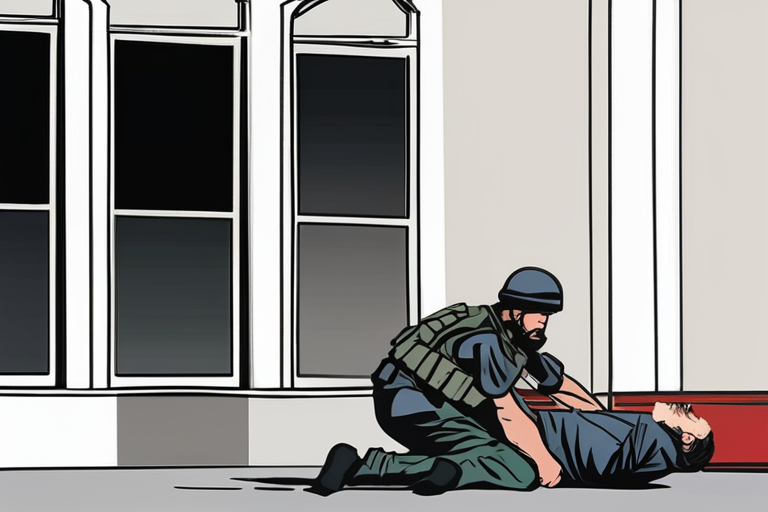
In a small Washington, D.C. apartment, Afghan national Rahmanullah Lakanwal sat quietly, his eyes fixed on the floor as he recounted the events of November 26, when he allegedly shot two National Guard members, Andrew Wolfe and Sarah Beckstrom, in a shocking attack that sent shockwaves through the nation's capital. Lakanwal, a former CIA-backed fighter who had served in some of the most treacherous missions in Afghanistan, now finds himself at the center of a growing controversy surrounding the treatment of Afghan fighters who served alongside American forces.
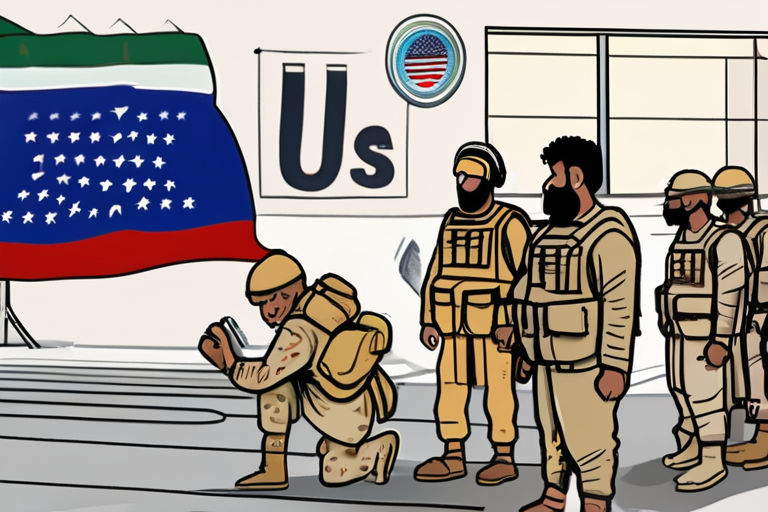
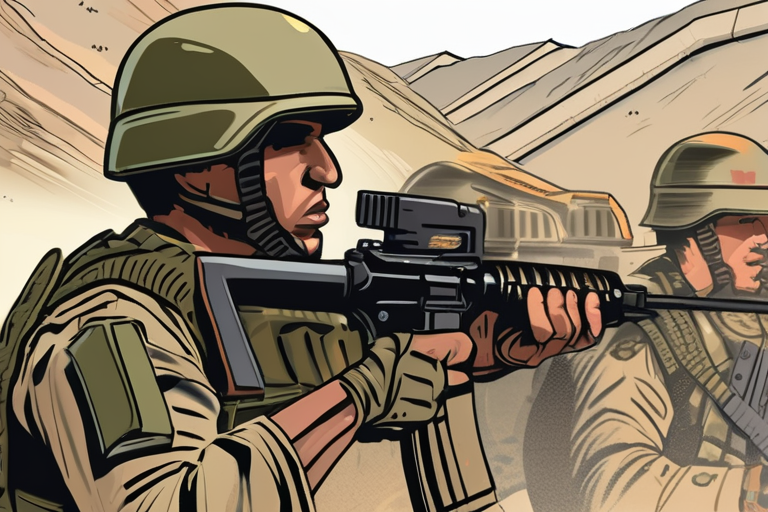
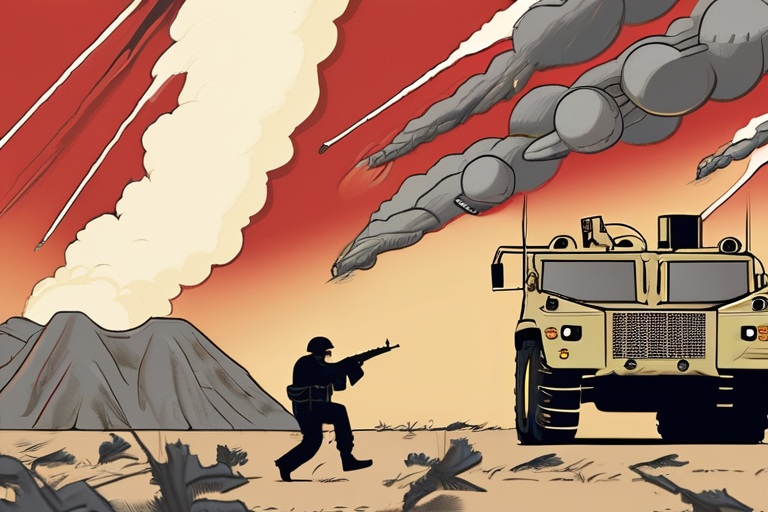
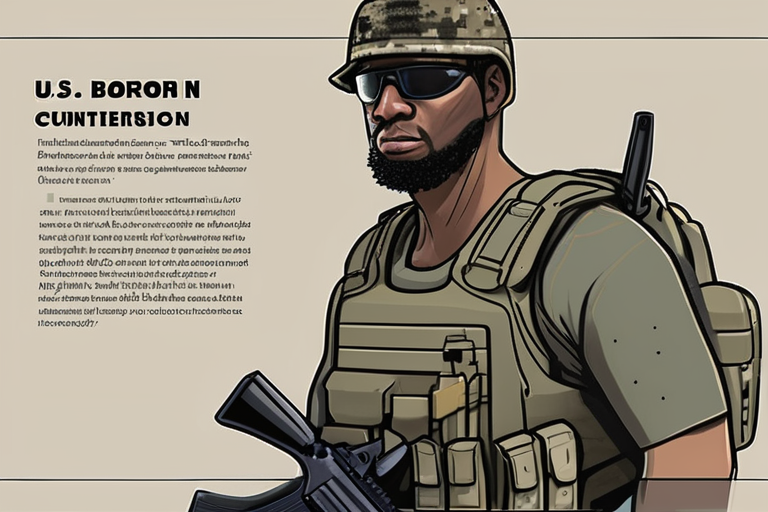
For years, these fighters, known as "Zero Units," had been the backbone of the CIA's covert operations in Afghanistan, conducting nighttime raids and urban battles against the Taliban with remarkable bravery and skill. But once they were evacuated to the United States, many of these fighters found themselves struggling to adjust to their new surroundings, facing bureaucratic red tape, and feeling abandoned by the very country they had risked their lives to serve.
Lakanwal's case is just one example of the stark reality faced by many Afghan fighters who served in the CIA's Zero Units. Like many of his comrades, he had been recruited by the CIA to fight against the Taliban, and had seen some of the most intense combat of the war. But after the U.S. withdrawal from Afghanistan in 2021, Lakanwal found himself struggling to adapt to life in the United States, where he was forced to navigate a complex web of bureaucracy and red tape in order to access the benefits and services he was entitled to.
"It's like they forgot about us," Lakanwal said in an interview, his voice laced with frustration and despair. "We risked our lives for the United States, and now we're being treated like nothing more than a burden."
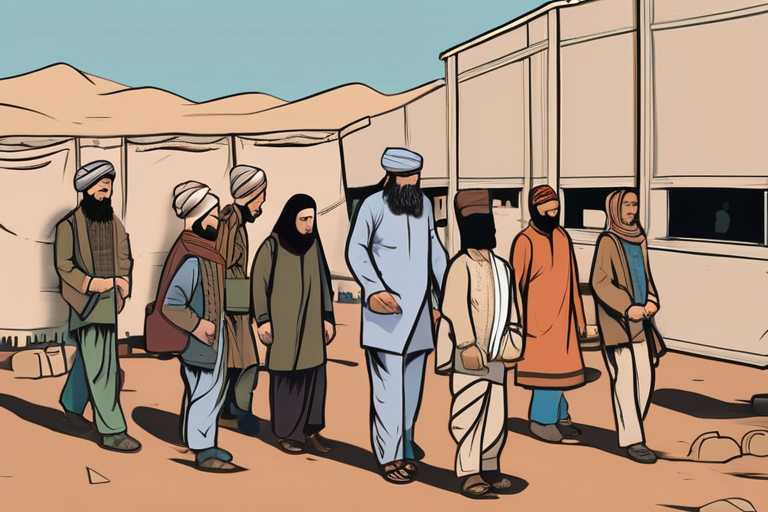
Lakanwal's story is not unique. Many Afghan fighters who served in the CIA's Zero Units have reported similar experiences, struggling to access healthcare, education, and employment opportunities in the United States. Some have even been forced to live in poverty, relying on the kindness of strangers to survive.
The treatment of Afghan fighters like Lakanwal raises important questions about the responsibilities of the United States towards its allies and partners. As the U.S. continues to grapple with the consequences of its withdrawal from Afghanistan, it is clear that the fate of these fighters will have a lasting impact on the country's reputation and its relationships with other nations.
Dr. Nader Nadery, a leading expert on Afghan affairs and a former member of the Afghan government, believes that the U.S. has a moral obligation to support its former allies. "These fighters risked their lives to serve the United States, and now they are being abandoned," he said. "It's a betrayal of trust, and it will have long-term consequences for U.S.-Afghan relations."
As the U.S. government struggles to respond to the crisis, many are calling for greater support and resources to be dedicated to helping Afghan fighters like Lakanwal. But for now, Lakanwal remains in custody, facing charges related to the shooting of the two National Guard members. As he sits in his cell, his thoughts are likely with his comrades, who are struggling to survive in a country that once promised to protect them.
The story of Rahmanullah Lakanwal and the Afghan fighters who served in the CIA's Zero Units is a complex and multifaceted one, full of human drama and international intrigue. As the U.S. continues to grapple with the consequences of its actions, it is clear that the fate of these fighters will have a lasting impact on the country's reputation and its relationships with other nations.
Afghan CIA Fighters Face Harsh Reality in U.S. After National Guard Attack
1
0
Multi-Source Journalism
This article synthesizes reporting from multiple credible news sources to provide comprehensive, balanced coverage.











Share & Engage Share
Share this article