

As the stock market teeters on the edge of uncertainty, many economists and financial experts are drawing parallels between the tumultuous years of the Great Depression and the current economic climate. The echoes of 1929 are a stark reminder that history has a way of repeating itself, and the lessons of the past can serve as a warning for the future. New York Times financial columnist Andrew Ross Sorkin is one such expert who believes that understanding the causes of the 1929 stock market crash can help us avoid another economic catastrophe.
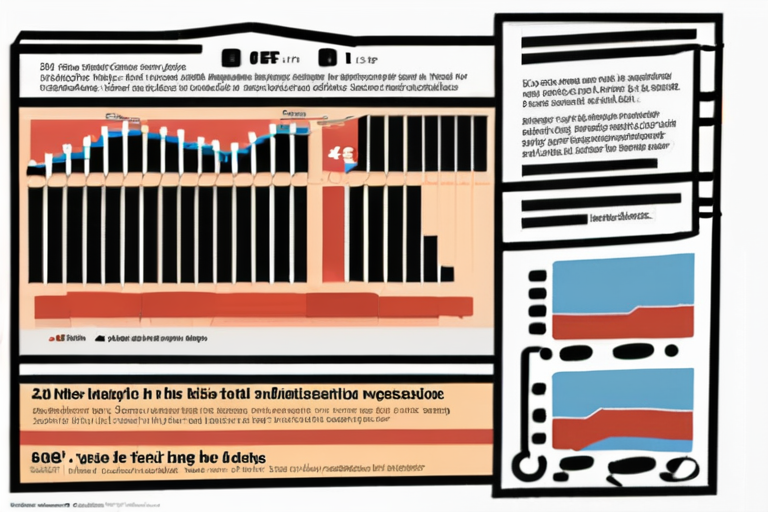
In the midst of the Roaring Twenties, the stock market was on a wild ride, with prices soaring to unprecedented heights. The average stock price had risen by a staggering 400% between 1924 and 1929, fueled by speculation and a lack of regulation. Meanwhile, the Federal Reserve, led by Chairman Benjamin Strong, was keeping interest rates low, making it easier for investors to borrow money and buy stocks. The result was a perfect storm of speculation, overvaluation, and easy credit, which ultimately led to the stock market crash of 1929.
The crash was a devastating blow to the economy, wiping out millions of dollars in investments and sending the country into a deep recession. Unemployment soared, and the economy contracted by a staggering 27% between 1929 and 1933. The effects of the crash were felt far and wide, from the small-time investor who lost their life savings to the large corporations that saw their stock prices plummet.
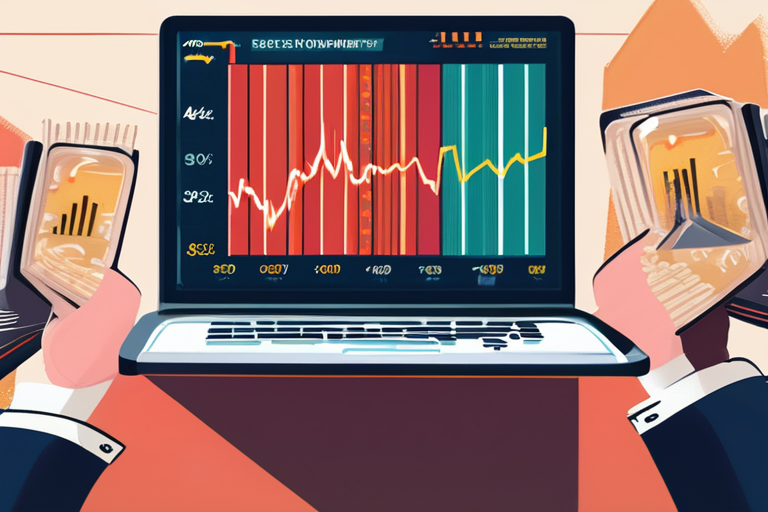
Fast forward to today, and the parallels between 1929 and the current economic climate are striking. The stock market has been on a tear, with the S&P 500 index rising by over 300% since 2009. Meanwhile, the Federal Reserve, led by Chairman Jerome Powell, has kept interest rates low, making it easier for investors to borrow money and buy stocks. The result is a market that is increasingly vulnerable to a correction, and many experts believe that the next crash is just around the corner.
Andrew Ross Sorkin, author of the bestselling book "Too Big to Fail," believes that the lessons of 1929 can help us avoid another economic catastrophe. "The 1929 crash was a perfect storm of speculation, overvaluation, and easy credit," he says. "We're seeing many of the same warning signs today, from the rise of the stock market to the easy credit policies of the Federal Reserve. If we don't learn from the past, we risk repeating the same mistakes."
One of the key differences between 1929 and today is the level of regulation. In the 1920s, there was little to no regulation of the stock market, allowing speculators to run wild. Today, there are numerous regulations in place, from the Securities and Exchange Commission to the Dodd-Frank Act. However, many experts believe that these regulations are not enough, and that the market is still vulnerable to a crash.
The impact of a market crash would be devastating, with millions of dollars in investments lost and the economy contracting sharply. The effects would be felt far and wide, from the small-time investor who lost their life savings to the large corporations that saw their stock prices plummet. In the words of Andrew Ross Sorkin, "A market crash would be a disaster for the economy, and it's something that we should be working to prevent."
So what can we do to avoid another economic catastrophe? According to Andrew Ross Sorkin, the key is to learn from the past and take steps to prevent a market crash. "We need to be more vigilant in our regulation of the stock market, and we need to be more cautious in our use of easy credit policies," he says. "We also need to be more transparent in our financial reporting, and we need to be more honest about the risks of investing in the stock market."
In conclusion, the lessons of 1929 are a stark reminder that history has a way of repeating itself. By understanding the causes of the 1929 stock market crash, we can take steps to prevent another economic catastrophe. As Andrew Ross Sorkin so aptly puts it, "The past is prologue, and it's up to us to learn from it and avoid repeating the same mistakes."
Economists Warn of 1929 Repeat as Global Markets Teeter on the Brink
1
0
Multi-Source Journalism
This article synthesizes reporting from multiple credible news sources to provide comprehensive, balanced coverage.

















Share & Engage Share
Share this article