

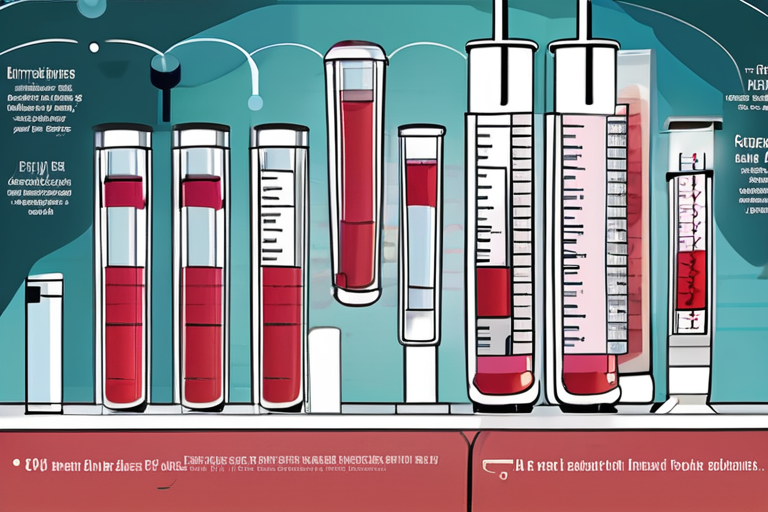
Dr. Maria Rodriguez, a leading pancreatic cancer researcher at the University of California, Los Angeles, emphasized the importance of early detection in improving patient outcomes. "We're making progress in identifying biomarkers that can detect pancreatic cancer in its early stages, which is crucial for effective treatment," she said. "These biomarkers can be found in blood tests or even in a patient's breath, making it possible to diagnose the disease before it has spread to other parts of the body."
Researchers are also exploring the use of personalized vaccines that unleash the immune system to fight cancer cells. Dr. John Taylor, a medical oncologist at the University of Texas MD Anderson Cancer Center, noted that these vaccines have shown promising results in clinical trials. "Personalized vaccines have the potential to revolutionize the treatment of pancreatic cancer by allowing us to tailor the treatment to each individual patient's unique genetic profile," he explained.
Pancreatic cancer is the third-leading cause of cancer-related deaths in the United States, despite being only the tenth most commonly diagnosed cancer. The disease is often diagnosed at an advanced stage, when treatment options are limited. However, researchers are working tirelessly to change this narrative.
In addition to early detection and personalized vaccines, researchers are also investigating other potential treatments, including immunotherapy and targeted therapies. Dr. Rodriguez highlighted the importance of continued funding for pancreatic cancer research. "We need to continue to invest in research to develop new and effective treatments for pancreatic cancer," she said. "The progress we've made so far is encouraging, but there's still much work to be done."
As researchers continue to explore new avenues for treating pancreatic cancer, patients and their families can take heart in the knowledge that there is hope on the horizon. While the disease remains a formidable challenge, the incremental progress being made is a testament to the dedication and perseverance of scientists, clinicians, and patients working together to find a cure.
Breakthroughs in Early Detection Give New Hope to Pancreatic Cancer Patients
1
0

Multi-Source Journalism
This article synthesizes reporting from multiple credible news sources to provide comprehensive, balanced coverage.






























Share & Engage Share
Share this article