

As the lights dimmed on the iconic PBS NewsHour, a sense of uncertainty settled over the nation's public broadcasting landscape. The recent defunding of NPR and PBS by the Corporation for Public Broadcasting (CPB) has left many wondering about the future of these beloved institutions. Now, a conservative group is urging the Federal Communications Commission (FCC) to take away station licenses from NPR and PBS, paving the way for other entities to claim the valuable spectrum.
The Center for American Rights (CAR), a nonprofit law firm with ties to FCC Chairman Brendan Carr, has filed a request with the FCC to open an inquiry into the future of public broadcasting. CAR argues that the shutdown of the CPB should be seen as an opportunity to reassess the role of NPR and PBS in the modern media landscape. The group claims that these networks have failed to adapt to the changing media landscape and are no longer viable as national networks.
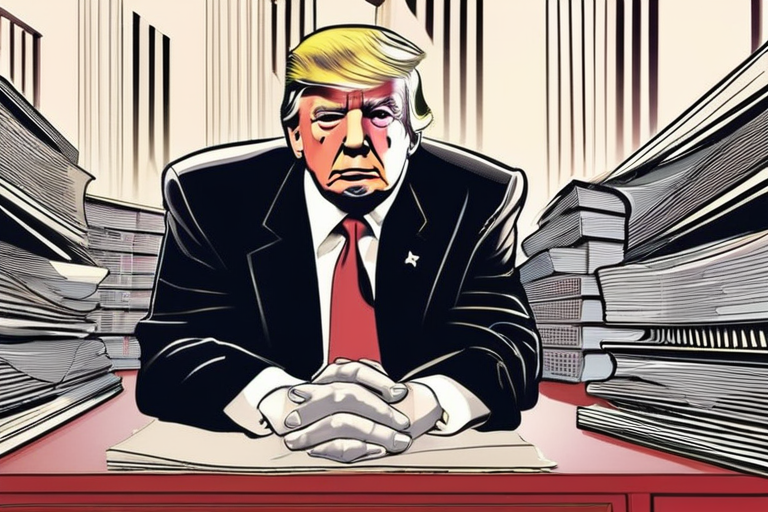
The CPB, which has provided funding for NPR and PBS since the 1960s, is set to shut down after Congress approved President Trump's request to rescind its funding. This move has sent shockwaves through the public broadcasting community, with many fearing for the future of these institutions.
At the heart of the issue is the question of whether NPR and PBS can survive without federal funding. The CPB has provided around 15% of their annual budget, with the remaining 85% coming from corporate sponsorships, donations, and membership fees. Without this funding, many stations are struggling to stay afloat.
"I think it's a wake-up call for the public broadcasting system," says Dr. Susan Oakes, a media studies professor at the University of North Carolina. "They've been relying too heavily on federal funding for too long. It's time for them to adapt and find new ways to sustain themselves."
However, not everyone agrees that NPR and PBS are no longer viable. Many argue that these institutions provide a vital service to the public, offering in-depth reporting and educational programming that is not available elsewhere.
"NPR and PBS are essential to our democracy," says Dr. Jeffrey Smith, a communications professor at the University of California, Los Angeles. "They provide a platform for diverse voices and perspectives, which is critical in today's polarized media landscape."
As the FCC considers CAR's request, many are left wondering what the implications of this move would be. Would it lead to a proliferation of new media outlets, or would it simply create a power vacuum that would be filled by corporate interests?
The FCC has not yet responded to CAR's request, but the debate is already heating up. As the future of NPR and PBS hangs in the balance, one thing is clear: the fate of public broadcasting will have far-reaching implications for our society.
In the end, the question remains: what does the future hold for NPR and PBS? Will they be able to adapt and thrive in a changing media landscape, or will they fade into obscurity? Only time will tell, but one thing is certain: the stakes are high, and the consequences of this decision will be felt for generations to come.
FCC Faces Pressure to Revoke Licenses Amid NPR and PBS Funding Crisis
3
0

Multi-Source Journalism
This article synthesizes reporting from multiple credible news sources to provide comprehensive, balanced coverage.









Share & Engage Share
Share this article