

Rivian CEO Challenges EV Misconceptions, Revealing Surprising Buyer Demographics
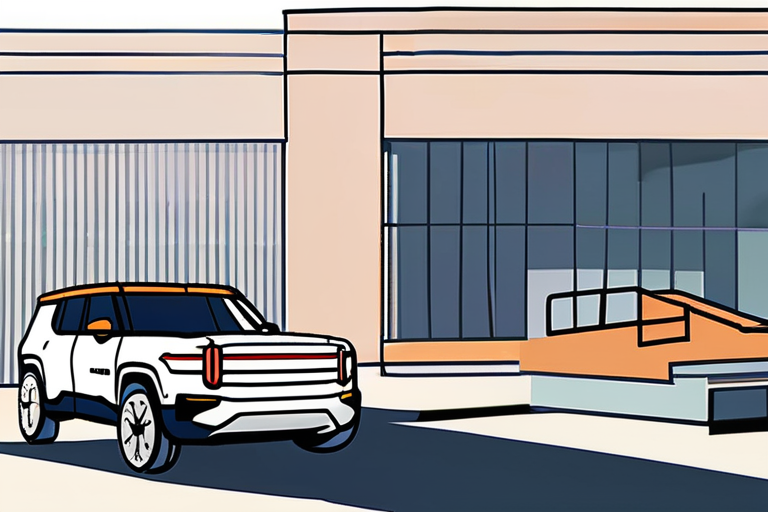
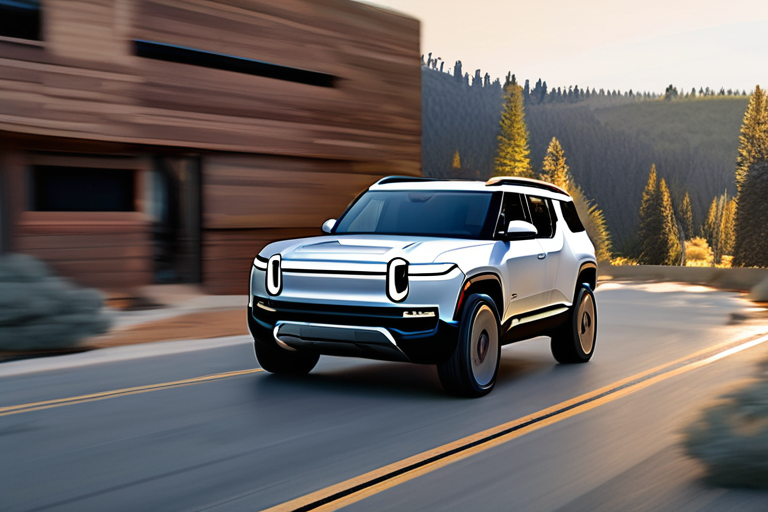
At the Fortune Brainstorm AI conference in San Francisco, Rivian CEO RJ Scaringe made a compelling argument against the notion that electric vehicles (EVs) are politicized. According to Scaringe, the company's sales data contradicts this assumption, with customers buying Rivian's R1 electric SUV roughly evenly split between Republicans and Democrats.
This revelation is significant, as it suggests that the decision to purchase an EV is not driven by partisan ideology, but rather by individual preferences and needs. Scaringe pointed out that the questions car buyers ask when considering a purchase are the same, regardless of the vehicle's powertrain: Is it exciting? Does it fit my needs? Does the brand resonate with me?
Rivian's sales data supports this assertion, with the company's R1 buyers split approximately 50-50 between Republicans and Democrats. This is a statistically significant finding, as it represents thousands of customers who have made a deliberate choice to purchase an EV based on its merits, rather than its perceived association with a particular political ideology.
In terms of financial details, Rivian has been making significant strides in the EV market. The company has reported robust sales figures, with the R1 SUV accounting for a substantial portion of its revenue. As of the latest available data, Rivian has sold over 50,000 units of the R1, with a significant portion of those sales coming from the United States.
The market impact of Rivian's sales data is substantial, as it challenges the conventional wisdom that EVs are a partisan issue. This misconception has been perpetuated by various factors, including President Donald Trump's rollbacks of EV-related mandates, incentives, and targets. However, Rivian's data suggests that the decision to purchase an EV is driven by individual preferences, rather than political ideology.
Rivian's background as a pioneering EV manufacturer is well-documented. Founded in 2009, the company has been at the forefront of the EV revolution, with a focus on developing innovative, sustainable vehicles that meet the needs of a rapidly changing market. The company's R1 SUV is a prime example of this commitment to innovation, featuring a range of advanced technologies, including a quad-motor powertrain and a 400-mile range.
Looking ahead, Rivian's sales data suggests a promising future for the EV market. As more consumers become aware of the benefits of EVs, including reduced emissions and lower operating costs, the demand for these vehicles is likely to increase. Rivian's ability to attract a diverse range of customers, including Republicans and Democrats, suggests that the company is well-positioned to capitalize on this trend.
In conclusion, Rivian's sales data has significant implications for the EV market, challenging the notion that these vehicles are politicized. As the company continues to innovate and expand its product offerings, it is likely to play a leading role in shaping the future of the EV industry.
Rivian CEO Debunks EV Politics Myth, Revealing Surprising Buyer Divide
1
0
Multi-Source Journalism
This article synthesizes reporting from multiple credible news sources to provide comprehensive, balanced coverage.






Share & Engage Share
Share this article