

The US Federal Reserve lowered its key interest rate by 0.25 percentage points on Wednesday, putting it in a range of 3.50 to 3.75, its lowest level in three years. This marks the third rate cut this year, as policymakers attempt to balance a weakening job market with rising prices. The central bank's decision was made despite internal divisions among its members regarding the direction of monetary policy.
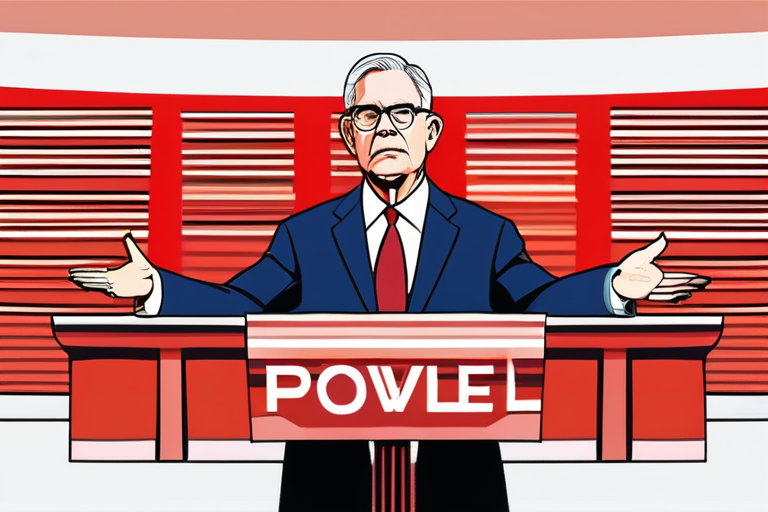
According to Reuters, Fed Chair Jerome Powell stated that central bankers needed time to see how the Fed's rate cuts work their way through the US economy. Powell emphasized that policymakers will closely examine incoming data ahead of the Fed's next meeting in January, indicating a cautious approach to future rate adjustments. "We are well-positioned to wait to see how the economy evolves," Powell told reporters.
The Fed's economic projections released on Wednesday suggest that one rate cut is expected to take place next year, although new data could alter this forecast. The central bank's decision to lower interest rates was seen as a response to growing concerns about the US economy's performance, particularly in the labor market. The unemployment rate has been steadily increasing, and some analysts fear that the economy may be heading towards a recession.
The rate cut decision was not without controversy, as some policymakers expressed concerns about the potential impact of further rate reductions on inflation. The Fed's dual mandate is to promote maximum employment and price stability, and some members may be hesitant to cut rates further in light of rising prices. The decision to lower interest rates has also been met with criticism from President Donald Trump, who has long advocated for lower interest rates to stimulate economic growth.
The implications of the Fed's rate cut decision are far-reaching and will likely have a significant impact on the US economy. Lower interest rates can make borrowing cheaper, which can stimulate economic growth and increase consumer spending. However, they can also lead to higher inflation and asset price bubbles. As the Fed continues to navigate the complex economic landscape, policymakers will need to carefully balance competing priorities and make data-driven decisions to ensure the stability of the US economy.
The Fed's next meeting is scheduled for January, and policymakers will closely examine incoming data to determine the direction of monetary policy. The central bank's decision to lower interest rates has sent a signal to financial markets that the Fed is willing to take action to support the economy, but the extent to which further rate cuts will be implemented remains uncertain.
Fed Cuts Rates, But Will Easing Continue Amid Weakening Job Market?
1
0

Multi-Source Journalism
This article synthesizes reporting from multiple credible news sources to provide comprehensive, balanced coverage.














Share & Engage Share
Share this article