

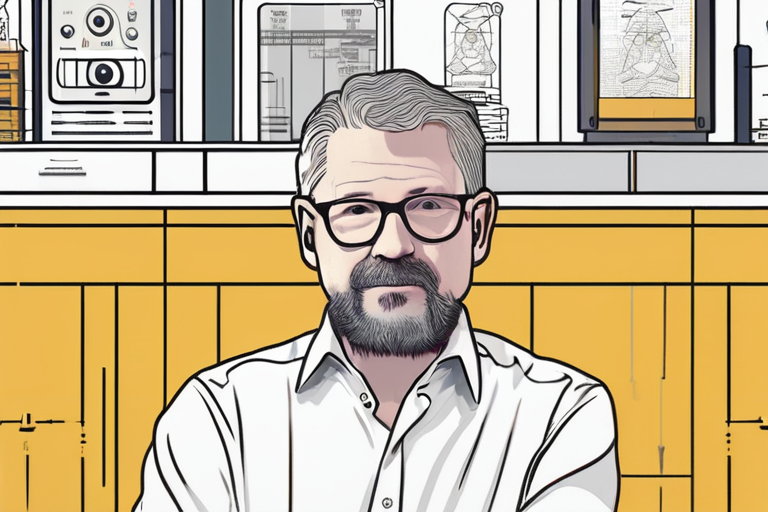
Mike Peng, the CEO of design consultancy IDEO, recently cautioned that AI may lead to "somewhat mediocre" results for designers, highlighting the limitations of relying solely on artificial intelligence for creative work. Speaking at Fortune Brainstorm Design in Macau on December 2, Peng emphasized the importance of human creativity in conjunction with AI to produce high-quality, original work.
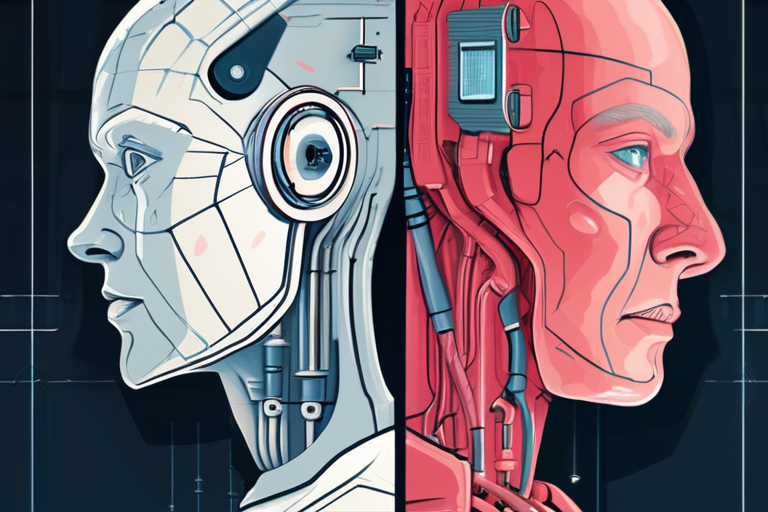
According to Peng, AI's pattern recognition capabilities make it a powerful tool, but its reliance on averages can result in mediocre outcomes. He noted that creativity is about pushing beyond mediocrity and embracing innovation, which AI alone cannot achieve. Peng also stressed that while AI excels at iteration and execution, it is human creativity and empathy that bring ideas to life.
The design industry is expected to reach $1.5 trillion by 2025, with AI playing an increasingly significant role in the creative process. However, the fear of AI-generated content flooding the market has led many designers to question the value of their skills. Peng's comments suggest that designers must adapt to this new landscape by combining their creative expertise with AI's capabilities.
IDEO, founded in 1991, is one of the world's leading design consultancies, with a client roster that includes major brands such as Apple and Google. The company has been at the forefront of incorporating AI into its design process, recognizing the potential benefits of AI-enhanced creativity.
As the use of AI in design continues to grow, companies like IDEO will need to navigate the challenges and opportunities presented by this technology. Peng's warning highlights the importance of human creativity and empathy in the design process, even as AI becomes more prevalent. By embracing this synergy, designers can unlock the full potential of AI and create innovative, high-quality work that sets them apart from the competition.
Looking ahead, the intersection of AI and design will continue to shape the industry. As AI-generated content becomes more prevalent, designers will need to develop strategies to differentiate themselves and maintain their value proposition. By combining AI with human creativity, designers can create unique, high-quality work that meets the evolving needs of clients and consumers. As Peng noted, this requires a deep understanding of taste, curation, and discernment, as well as the ability to bring ideas to life through empathy and creativity.
AI's Creative Limitations: IDEO CEO Warns of 'Somewhat Mediocre' Results
1
0
Multi-Source Journalism
This article synthesizes reporting from multiple credible news sources to provide comprehensive, balanced coverage.


Share & Engage Share
Share this article