

Researchers have reported a slight increase in the five-year survival rate for pancreatic cancer patients, a development that has been met with cautious optimism by medical experts. The five-year survival rate for all stages and types of pancreatic cancer has risen to 13%, up from 7% a decade ago, according to data from the National Cancer Institute.
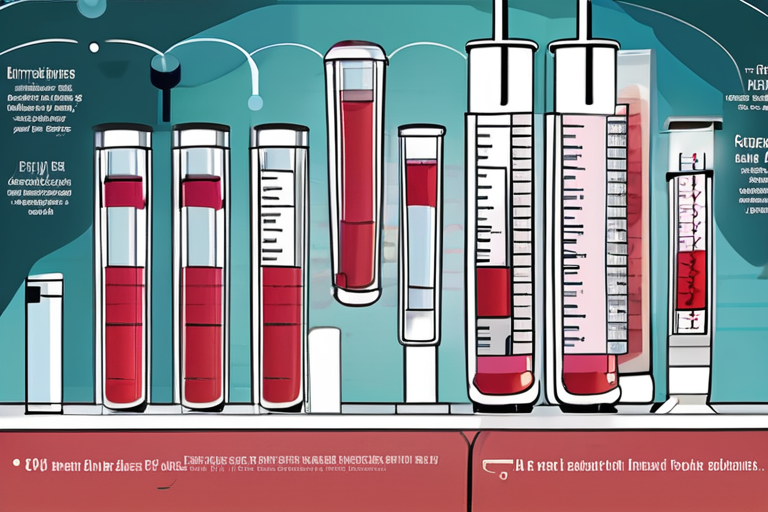
This modest improvement has been attributed to ongoing research efforts aimed at detecting the cancer at an earlier stage, when it is more treatable. Simple blood tests that can spot proteins characteristic of the disease, as well as non-invasive breath tests, are among the innovative approaches being explored. "Early detection is crucial in the fight against pancreatic cancer," said Dr. Maria Rodriguez, a leading oncologist at a major cancer research center. "These new tests offer hope for patients who might have been diagnosed too late in the past."
Pancreatic cancer is the third-leading cause of cancer-related deaths in the United States, despite being only the tenth most commonly diagnosed cancer. The disease's poor prognosis has been attributed to its tendency to spread quickly and its resistance to conventional treatments. However, researchers are now working to expand the pool of available therapies to include personalized vaccines that unleash the immune system to attack cancer cells.
One such approach involves using genetic analysis to create tailored vaccines that target specific mutations in individual patients' tumors. "This personalized approach has shown promising results in early clinical trials," noted Dr. John Taylor, a researcher at a prominent cancer institute. "We are hopeful that these new therapies will offer more effective treatment options for patients with pancreatic cancer."
The progress being made in pancreatic cancer research is a testament to the dedication and perseverance of scientists and clinicians working tirelessly to combat this devastating disease. While the current five-year survival rate of 13% is still far from ideal, the incremental gains being made offer a glimmer of hope for patients and their families.
As researchers continue to explore new avenues of investigation, patients and their loved ones can take heart from the knowledge that scientists are working tirelessly to improve treatment options and outcomes. The National Cancer Institute has committed significant resources to pancreatic cancer research, and private organizations are also investing in this critical area of study.
Looking ahead, researchers are optimistic that further breakthroughs will be made in the coming years. "We are on the cusp of a new era in pancreatic cancer treatment," said Dr. Rodriguez. "With continued investment and collaboration, we can make a meaningful difference in the lives of patients and their families."
Breakthrough in Pancreatic Cancer Survival Rates: 13% Five-Year Mark Reached
1
0

Multi-Source Journalism
This article synthesizes reporting from multiple credible news sources to provide comprehensive, balanced coverage.
































Share & Engage Share
Share this article