

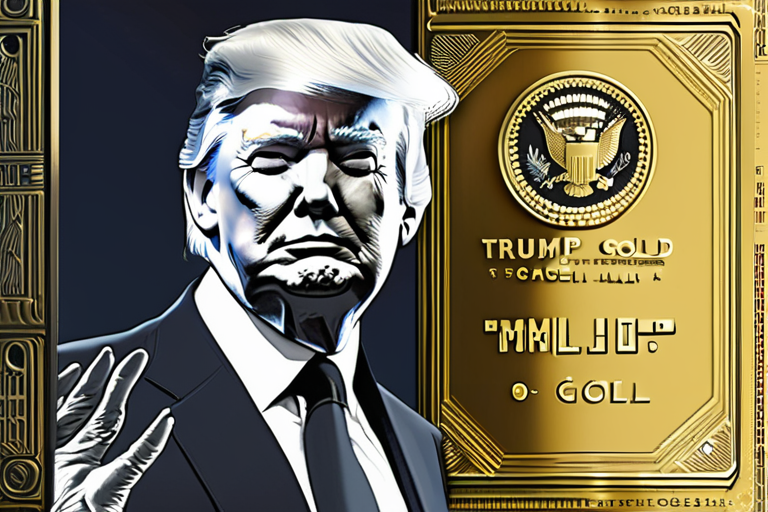
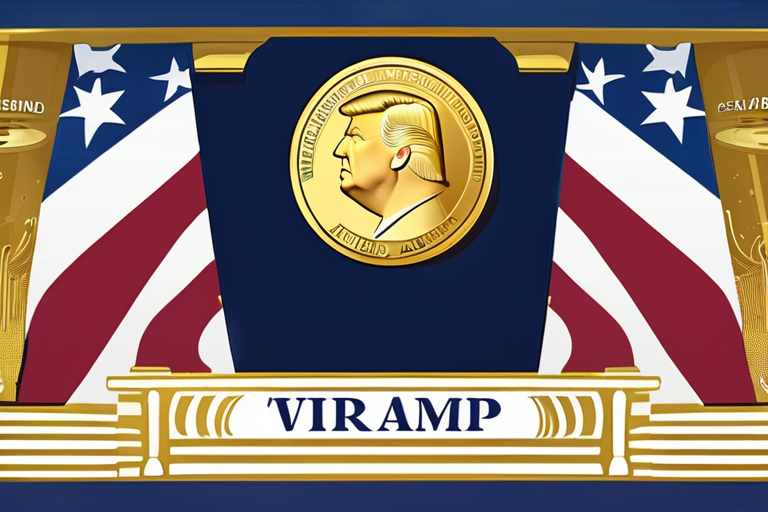
As Donald Trump unveiled the Trump Gold Card, a new expedited visa program that promises to bring in 1 million high-skilled workers and entrepreneurs, the question on everyone's mind is: what does this mean for the future of American immigration? The answer, much like the program itself, is shrouded in controversy and uncertainty.
Behind the scenes, the Trump administration has been quietly working on a comprehensive overhaul of the US immigration system, one that would grant permanent resident status to individuals who can demonstrate their ability to contribute to the country's economic growth. The Trump Gold Card is the latest iteration of this vision, a fast-tracked green card program that comes with a hefty price tag - a $1 million fee, or gift, that the individual must provide as evidence of their commitment to the US.
The program's launch was met with a mix of excitement and skepticism, with some hailing it as a much-needed boost to the US economy and others decrying it as a thinly veiled attempt to buy citizenship. But what does this program really mean for the people who will be affected by it?
To understand the context behind the Trump Gold Card, it's essential to look at the broader immigration landscape in the US. For decades, the country has been struggling to balance its need for skilled workers with its desire to protect its borders. The current system, which prioritizes family ties and employment sponsorships, has been criticized for being slow and inefficient, leading to a backlog of over 1 million visa applications.
The Trump administration has long promised to reform the system, and the Trump Gold Card is the latest manifestation of this effort. The program is designed to attract high-skilled workers and entrepreneurs who can contribute to the US economy, but it's also been criticized for its exclusivity and the hefty price tag that comes with it.
One of the key beneficiaries of the Trump Gold Card is likely to be the tech industry, which has long complained about the difficulty of attracting top talent from abroad. Companies like Google and Facebook have already expressed interest in the program, and some have even begun to offer their employees the $1 million fee as a perk.
But the program's impact won't be limited to the tech industry. The influx of high-skilled workers and entrepreneurs could have far-reaching consequences for the US economy, from stimulating innovation and job creation to driving economic growth and competitiveness.
Not everyone is convinced, however. Critics of the program argue that it's a thinly veiled attempt to buy citizenship, and that the $1 million fee is a barrier to entry that will only serve to further entrench the wealthy and well-connected.
"The Trump Gold Card is a solution in search of a problem," says immigration lawyer and advocate, Rachel Rosenbloom. "It's a program that's designed to benefit the wealthy and the well-connected, rather than the people who really need it."
As the Trump Gold Card program continues to unfold, one thing is clear: its impact will be felt far beyond the borders of the US. Whether it's a game-changer for the economy or a symbol of the country's growing wealth gap, the Trump Gold Card is a program that will be watched closely by policymakers and observers around the world.
In the end, the Trump Gold Card is a complex and multifaceted program that raises more questions than it answers. As the US continues to grapple with the challenges of immigration and economic growth, one thing is certain: the future of American immigration will be shaped by the decisions made in the coming years.
Trump Unveils Gold Card Visa Program: What's Next for American Immigration?
1
0

Multi-Source Journalism
This article synthesizes reporting from multiple credible news sources to provide comprehensive, balanced coverage.

















Share & Engage Share
Share this article