

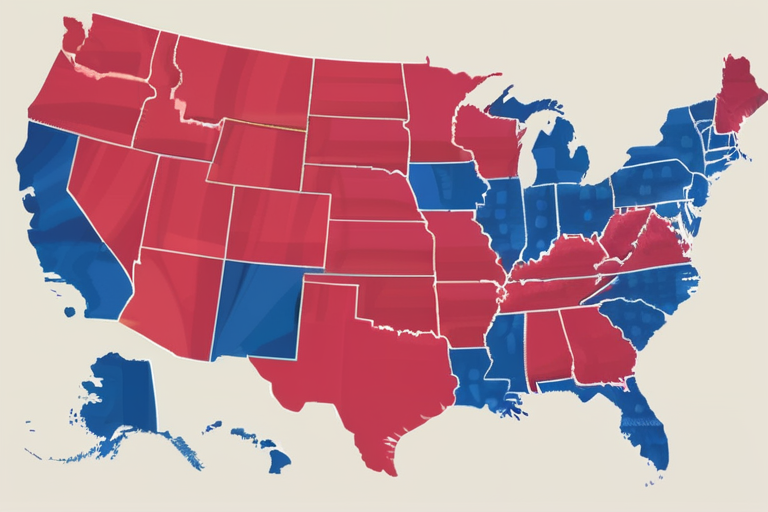
The Indiana state Senate is facing a contentious decision on a new congressional map proposed by the Trump administration, which aims to secure a Republican majority in the House of Representatives for the 2026 midterm elections. The map, which was passed by the Indiana House last week, would likely result in a significant reduction of Democratic House seats in the state.
According to sources, President Trump and US House Speaker Mike Johnson have been making individual calls to state senators in an effort to persuade them to vote in favor of the map. However, not all Republican senators are on board with the proposal, citing concerns that it may be overly influenced by national politics. "We need to focus on what's best for Indiana, not what's best for the national party," said one Republican senator, who wished to remain anonymous.
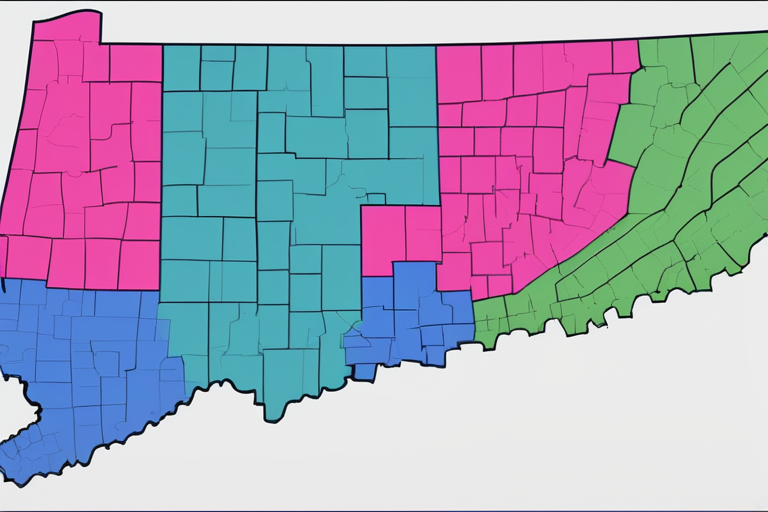
The proposed map would alter the state's congressional districts, potentially shifting the balance of power in the state's delegation to the House of Representatives. Critics argue that the map is overly gerrymandered, with some districts being drawn in a way that would favor Republican candidates. "This map is a clear attempt to manipulate the electoral process for partisan gain," said Democratic state Senator, Karen Tallian.
The controversy surrounding the map is not unique to Indiana. The Trump administration has been pushing for new congressional maps in several states, including Texas, where a new map was passed in August. The effort is seen as part of a broader strategy to secure a Republican majority in the House of Representatives for the 2026 midterm elections.
Some observers have suggested that the growing resistance to Trump's redistricting plan may be a sign that his influence is waning. "It's clear that not all Republicans are on board with Trump's agenda, and that's a positive development for the party," said a political analyst, who wished to remain anonymous. However, others argue that the controversy is simply a reflection of the complex and often contentious nature of the redistricting process.
The Indiana state Senate is expected to vote on the proposed map in the coming days, with the outcome hanging in the balance. If the map is approved, it would likely be sent to the governor for signature, and would take effect for the 2026 midterm elections. However, if the map is rejected, it would be sent back to the Indiana House for further consideration.
Republicans Unite Against Trump-Backed Map in Indiana, Threatening House Majority
1
0
Multi-Source Journalism
This article synthesizes reporting from multiple credible news sources to provide comprehensive, balanced coverage.





















Share & Engage Share
Share this article