

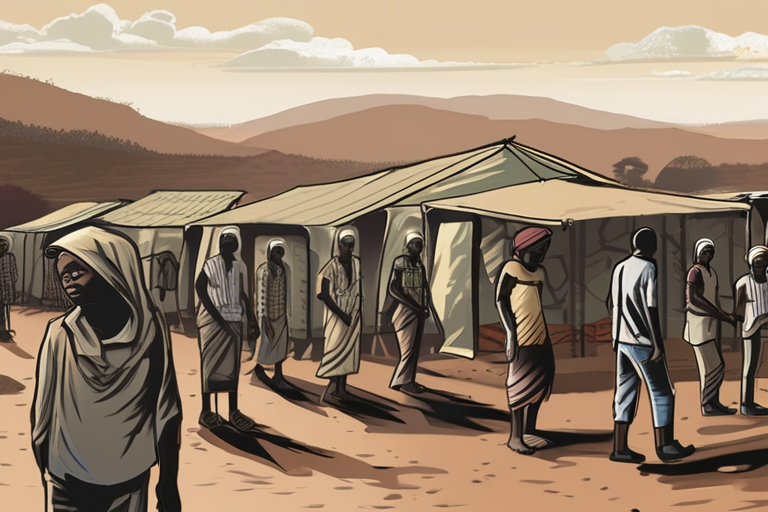
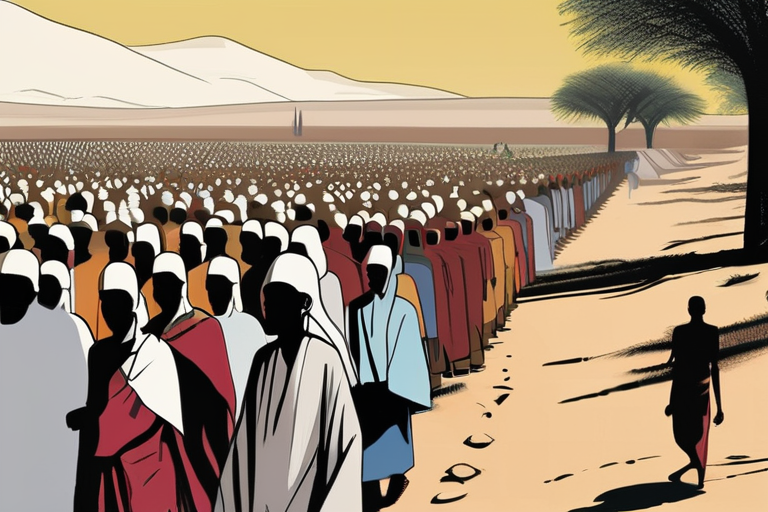
About 200,000 people have fled their homes in the Democratic Republic of the Congo as Rwanda-backed rebels march on a strategic eastern town just days after Donald Trump hosted the Rwandan and Congolese leaders to proclaim peace. The UN said at least 74 people had been killed, mostly civilians, and 83 admitted to hospital with wounds from escalating clashes in the area in recent days.
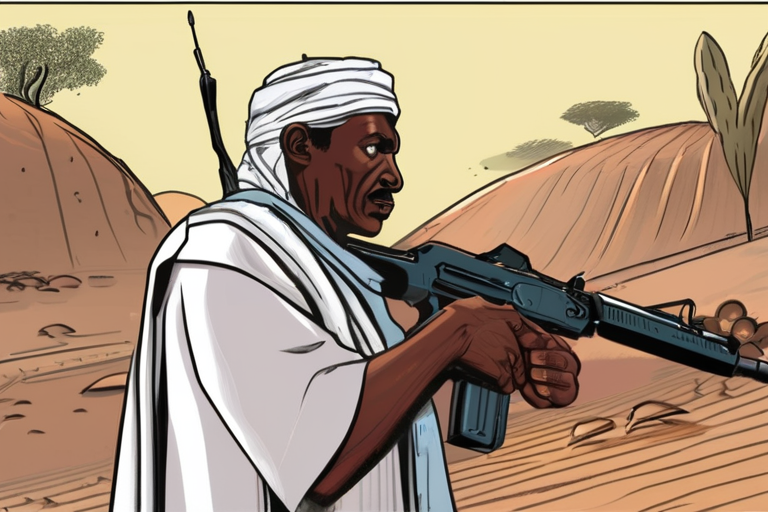
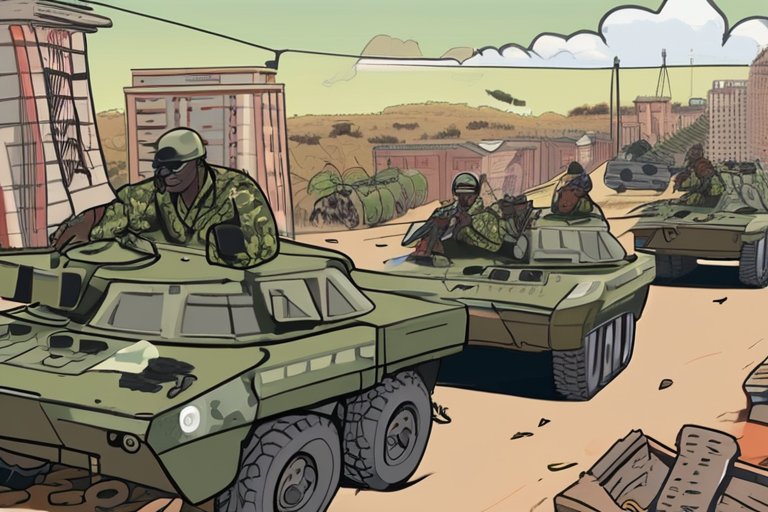
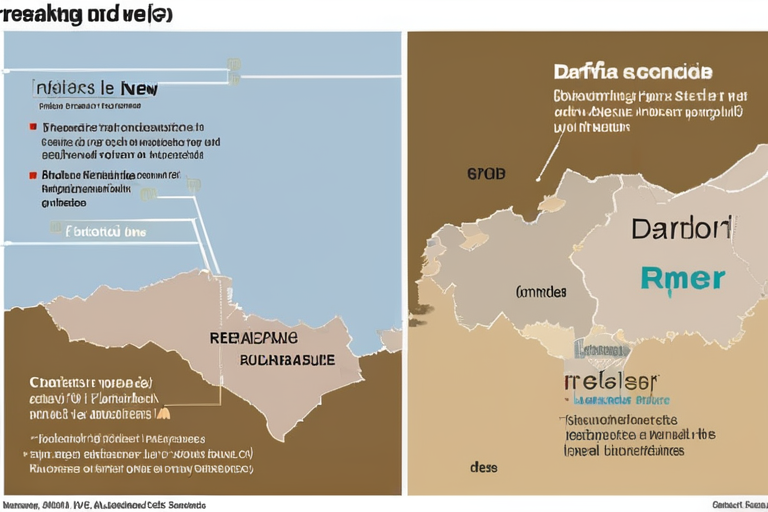
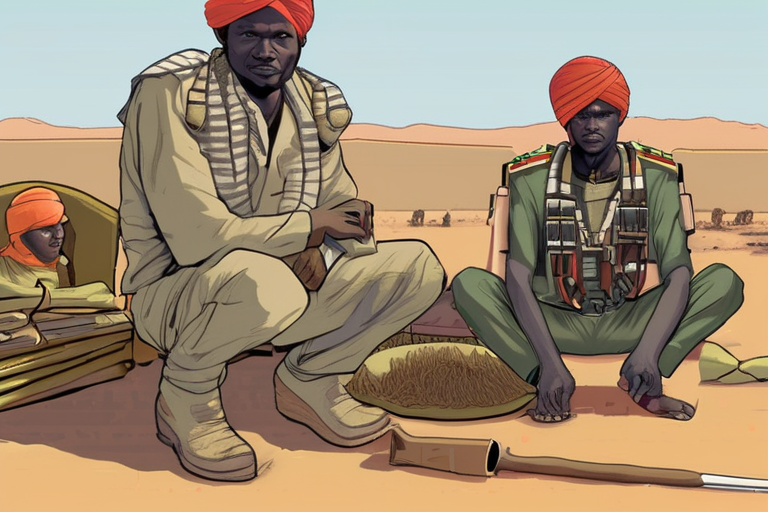
Local officials and residents reported that M23 rebels had been advancing towards the lakeside town of Uvira on the border with Burundi and fighting Congolese troops and local groups known as Wazalendo in villages to the north. "The situation is dire, with many families forced to flee their homes and seek shelter in nearby towns," said a local resident who wished to remain anonymous. "We are in a state of panic, unsure of what the future holds."
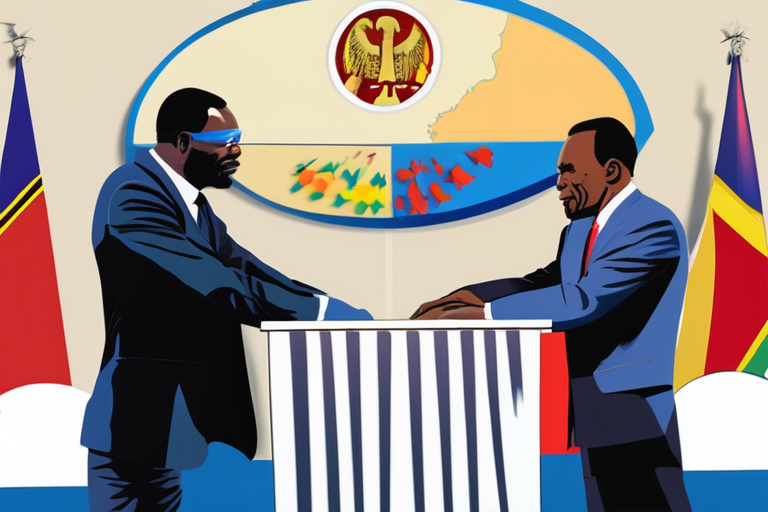
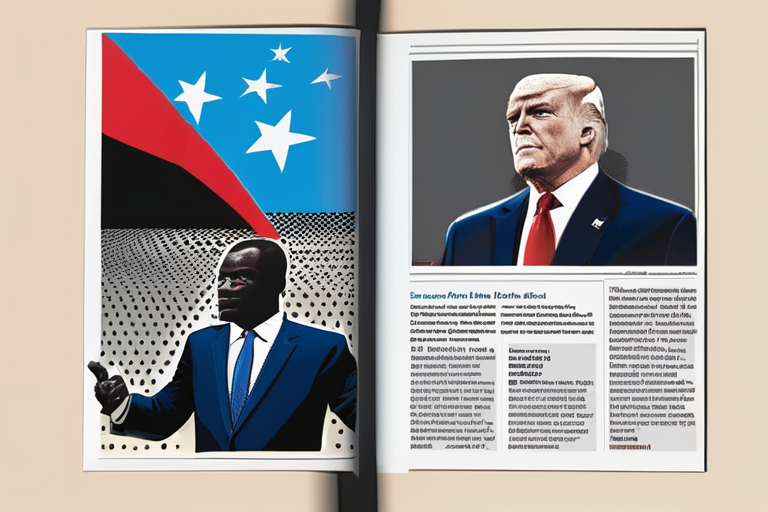
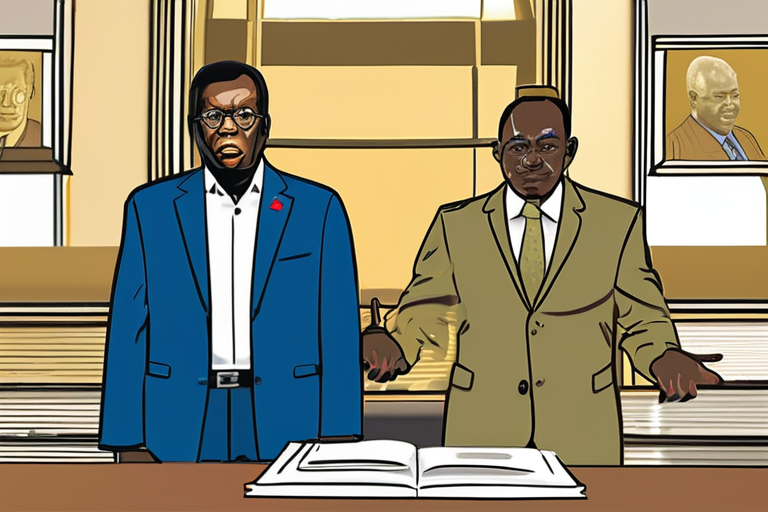
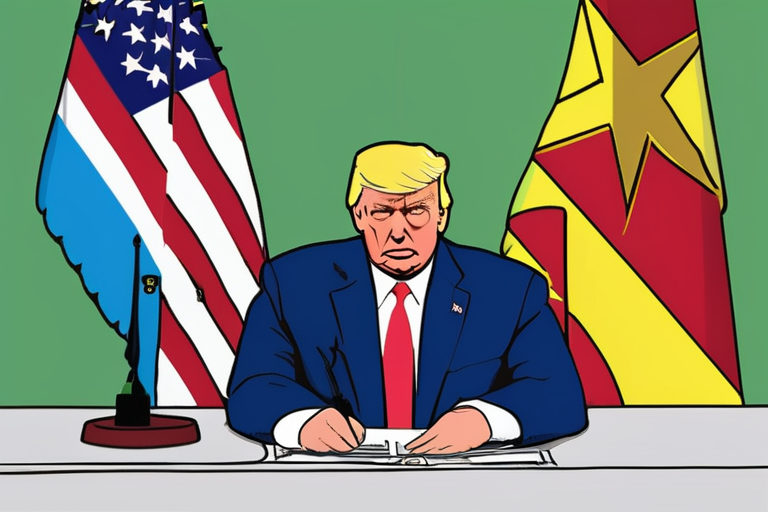
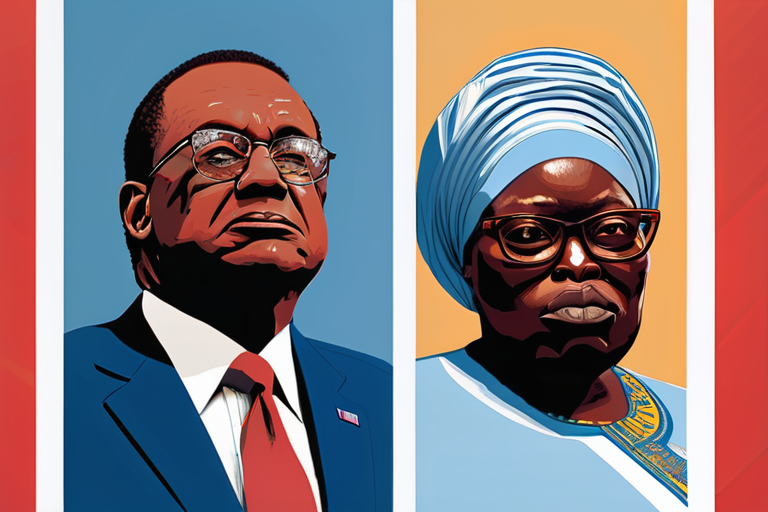
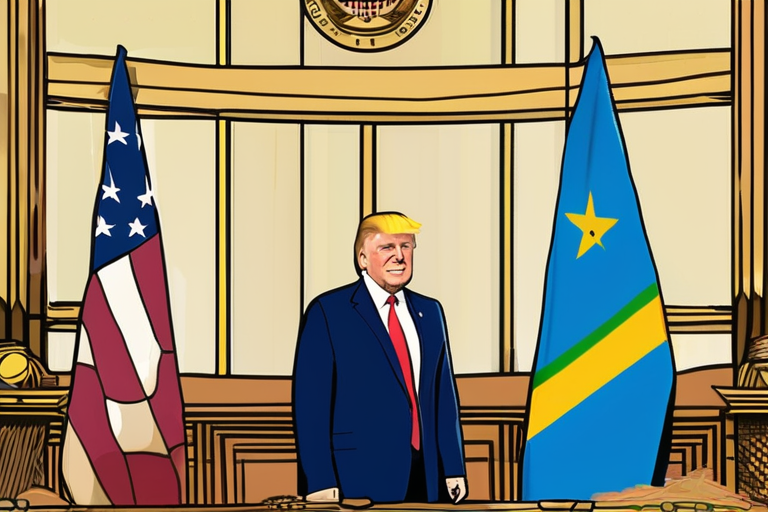
The recent escalation of violence comes just days after Trump hosted the presidents of Rwanda and DRC in Washington on 4 December for a ceremony to sign a pact affirming US and Qatari-brokered commitments to end the war. However, the deal appears to have had little impact on the ground, with fighting continuing to intensify. "The peace deal is a farce," said a Congolese government official, who spoke on condition of anonymity. "The M23 rebels are not interested in peace, they are interested in power and control."
The conflict in the DRC has been ongoing for years, with various rebel groups vying for control of the country's rich natural resources. The M23 rebels, backed by Rwanda, have been a major player in the conflict, and their recent advances have raised concerns about the stability of the region. "The situation in the DRC is a classic example of how artificial intelligence can be used to analyze and predict conflict patterns," said Dr. Jane Smith, a conflict analyst at the University of Oxford. "However, the complexity of human conflict cannot be reduced to simple algorithms and data analysis."
The current situation in the DRC is a stark reminder of the challenges of achieving peace in a region plagued by conflict and instability. The international community has been criticized for its response to the crisis, with many arguing that more needs to be done to support the DRC government and its people. "The international community must take a more proactive role in supporting the DRC government and its people," said a UN spokesperson. "We cannot simply stand by and watch as the situation continues to deteriorate."
As the situation continues to unfold, the international community is watching with bated breath. The US, which had been a key player in brokering the peace deal, has yet to comment on the recent escalation of violence. The UN has called for an emergency meeting to discuss the situation, and the African Union has condemned the violence. The future of the DRC remains uncertain, but one thing is clear: the people of the DRC deserve peace and stability, and it is up to the international community to ensure that they receive it.
Fleeing Conflict: 200,000 Displaced in DRC as Rwandan-backed Rebels Advance
1
0
Multi-Source Journalism
This article synthesizes reporting from multiple credible news sources to provide comprehensive, balanced coverage.










Share & Engage Share
Share this article