

In the vast expanse of the American oilfields, a staggering number of wells lie dormant, their potential energy trapped beneath the earth's surface. Up to 3 million abandoned oil and gas wells litter the U.S. alone, a testament to the industry's relentless pursuit of profit. But what happens when the oil is gone, and the costs of extraction outweigh the benefits? For Prab Sekhon, CEO of Eclipse Energy, the answer lies in the unlikeliest of places: the microbes that inhabit these idle wells.
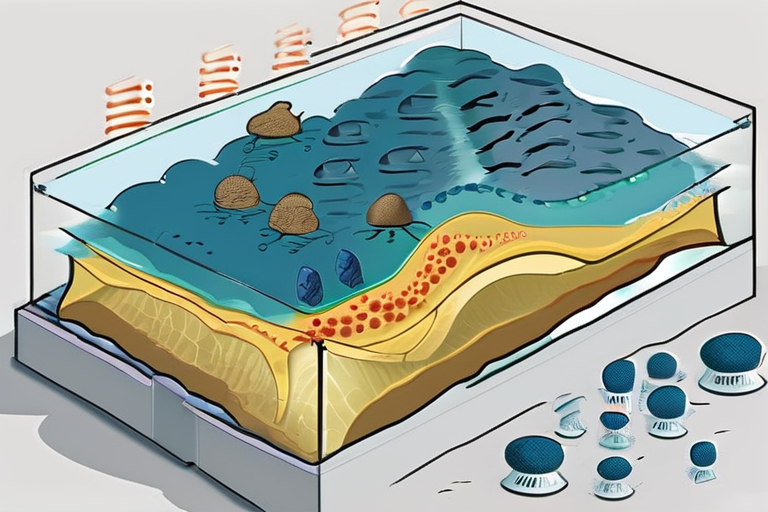
Sekhon's team has been working tirelessly to harness the power of these microorganisms, which can break down oil molecules and release their hydrogen content. The result is a game-changing technology that could revolutionize the way we extract energy from these abandoned wells. Instead of pumping harder or injecting chemicals to force oil to the surface, Eclipse sends down microbes to do the dirty work. The outcome is a hydrogen-rich gas that flows freely, making it easier to extract and utilize.
The concept may seem simple, but the science behind it is anything but. Oil molecules are complex, and their breakdown requires a specific set of conditions. Sekhon's team has spent years perfecting the process, working with a variety of microorganisms to find the right combination that can efficiently break down the oil. "There's still a ton of oil left behind," Sekhon explained in an interview with TechCrunch. "We don't have a way to recover that oil, but we do have a way to squeeze some of the energy they embody up to the surface."
Eclipse's technology has already demonstrated its potential in the field. Last summer, the startup conducted a successful trial at an oilfield in California's San Joaquin Basin. The results were nothing short of impressive, with the microbes breaking down the oil and releasing a significant amount of hydrogen gas. The trial was a major milestone for the company, and it marked the beginning of a new era in oilfield extraction.
But Eclipse's ambitions don't stop at the American oilfields. The company is now partnering with oilfield services giant Weatherford International to deploy its technology around the world. The partnership is a significant coup for Eclipse, and it marks a major step forward in the company's plans to revolutionize the industry. "They're an extension of our team," Sekhon said of Weatherford. "We'll be working closely with them to deploy our technology and make it a reality."
The implications of Eclipse's technology are far-reaching. With millions of abandoned oil wells scattered across the globe, the potential for energy extraction is vast. But the industry has long struggled with the challenges of extracting oil from these wells, often at great cost and with limited success. Eclipse's technology offers a new solution, one that could unlock the energy potential of these wells and provide a cleaner, more efficient way of extracting energy.
As the world continues to grapple with the challenges of climate change and energy sustainability, Eclipse's technology is a beacon of hope. By harnessing the power of microbes to break down oil molecules, the company is providing a new way forward for the industry. And with its partnership with Weatherford, Eclipse is poised to take its technology global, unlocking a new era of energy extraction and sustainability.
The first projects are set to begin in January, marking the beginning of a new chapter in the history of oilfield extraction. As the industry looks to the future, Eclipse's technology is poised to play a major role. With its innovative approach and commitment to sustainability, the company is leading the charge towards a cleaner, more efficient energy future.
Revolutionizing Idle Wells: Eclipse Energy's Microbes Unlock Hydrogen Potential
1
0
Multi-Source Journalism
This article synthesizes reporting from multiple credible news sources to provide comprehensive, balanced coverage.































Share & Engage Share
Share this article