

Solar Geoengineering Startups Secure Major Funding, Raising Concerns About Climate Manipulation
A significant development in the field of solar geoengineering has taken place with the emergence of Stardust Solutions, a startup that has secured a $60 million funding round, the largest known to date for a geoengineering startup. This substantial investment has sparked concerns among researchers, who worry about the potential consequences of manipulating the climate.
The financial details of the funding round reveal a significant influx of capital into the solar geoengineering sector. The $60 million investment in Stardust Solutions is a substantial amount, indicating a growing interest in the field. This investment is likely to be used to further develop the company's technology and expand its operations.
The market impact of this development is significant, as it marks a shift from the academic and theoretical discussions that have dominated the field of solar geoengineering to date. The emergence of Stardust Solutions and other geoengineering startups signals a move towards commercialization and large-scale deployment of climate manipulation technologies. This shift raises important questions about the governance and regulation of such technologies, as well as their potential impact on the environment and society.
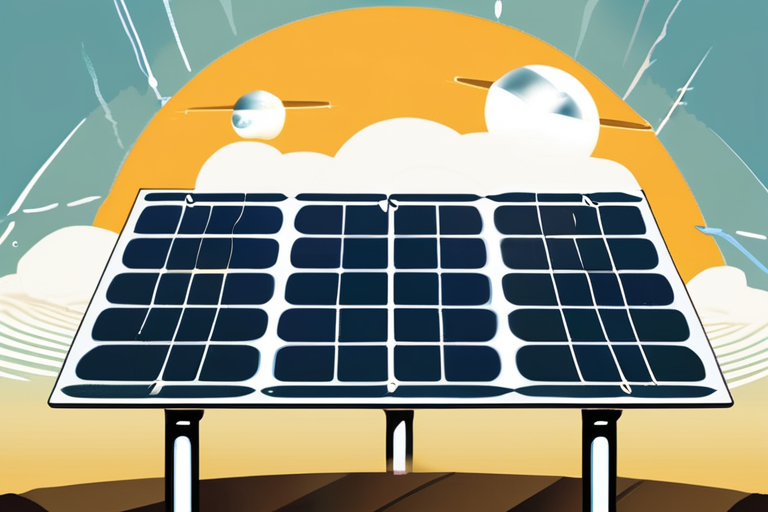
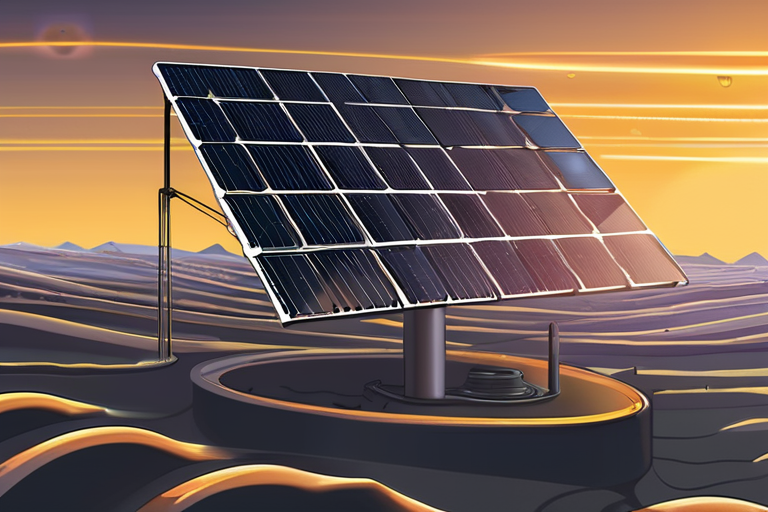
Stardust Solutions is a relatively new player in the field of solar geoengineering, but its emergence is significant. The company's technology aims to manipulate the climate by bouncing sunlight back into space, a process known as solar radiation management. This approach has been proposed as a potential solution to mitigate the effects of global warming, but it also raises concerns about unintended consequences and the potential for geoengineering to exacerbate existing climate problems.
The future outlook for solar geoengineering startups like Stardust Solutions is uncertain. While the technology has the potential to mitigate the effects of global warming, it also raises significant concerns about the governance and regulation of such technologies. As the field continues to evolve, it is likely that we will see increased scrutiny of geoengineering startups and their activities. The development of solar geoengineering technologies will require careful consideration of the potential risks and benefits, as well as the establishment of robust governance and regulatory frameworks to ensure that these technologies are developed and deployed in a responsible and sustainable manner.
In related news, OpenAI, the developer of the popular language model AI, has been sued by a group of investors who claim that the company's decision to make its AI model available for free has resulted in significant losses for them. The lawsuit alleges that OpenAI's decision to make its AI model available for free was a breach of contract and has caused financial harm to the investors. This development highlights the complex and often contentious nature of the AI industry, where companies must balance the need to innovate and develop new technologies with the need to protect the interests of their investors and stakeholders.
The lawsuit against OpenAI is a reminder that the development and deployment of AI technologies are subject to a range of regulatory and legal frameworks. As the AI industry continues to evolve, we can expect to see increased scrutiny of companies like OpenAI and their activities. The development of AI technologies will require careful consideration of the potential risks and benefits, as well as the establishment of robust governance and regulatory frameworks to ensure that these technologies are developed and deployed in a responsible and sustainable manner.
Solar Geoengineering Startups Spark Climate Concerns with $60 Million Funding Boost
1
0
Multi-Source Journalism
This article synthesizes reporting from multiple credible news sources to provide comprehensive, balanced coverage.















Share & Engage Share
Share this article