

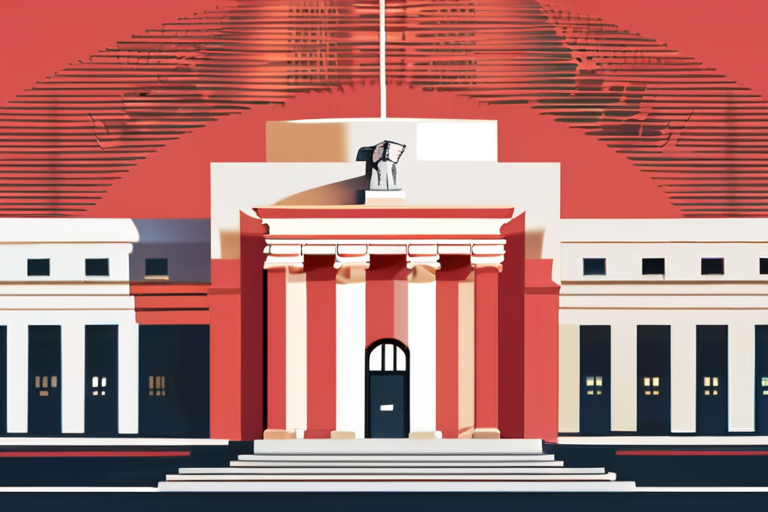
The Federal Reserve's third consecutive rate cut, announced on Wednesday, has sparked a mixed reaction from the business community, with President Trump expressing disappointment at the relatively small reduction. The central bank's key interest rate was lowered by a quarter-point to approximately 3.6%, marking the lowest level in nearly three years.
According to the Fed's latest economic projections, officials expect to lower rates just once next year, signaling a potential shift towards a more neutral monetary policy stance. This decision is significant, as it indicates that the Fed is cautiously optimistic about the economy's prospects, despite ongoing concerns about inflation and hiring.
The rate cut, which brings the Fed's benchmark rate to its lowest level since 2019, is expected to have a positive impact on borrowing costs for mortgages, auto loans, and credit cards. However, market forces can also influence these rates, and the Fed's decision may not necessarily translate to immediate benefits for consumers.
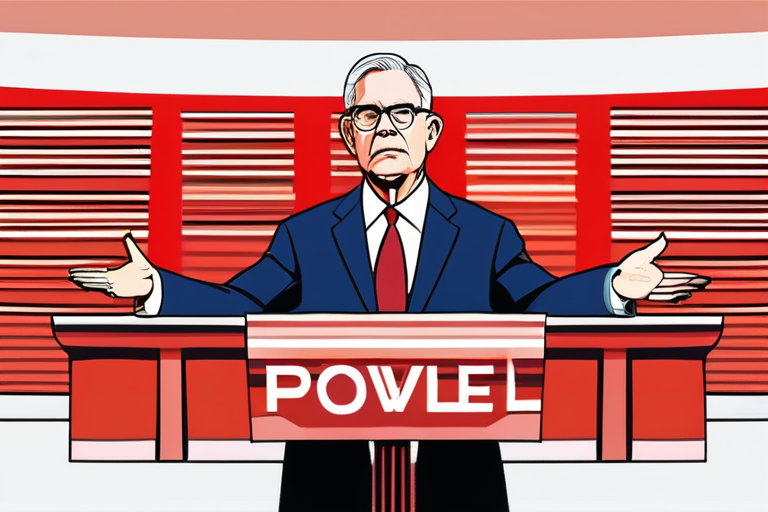
Chair Jerome Powell emphasized that the Fed will carefully evaluate incoming data before making any further decisions, suggesting that the central bank is willing to wait and see how the economy evolves. This approach is a departure from earlier this year, when Powell described the rate as high enough to slow the economy and quell inflation.
The Fed's key rate is now close to a level that neither restricts nor stimulates the economy, a significant shift from earlier this year. This development has implications for businesses and consumers, as it suggests that the Fed is moving towards a more neutral monetary policy stance.
The implications of this rate cut are far-reaching, with potential benefits for the economy and consumers. However, the Fed's decision also raises questions about the potential risks of further rate cuts, particularly in the context of ongoing inflation concerns.
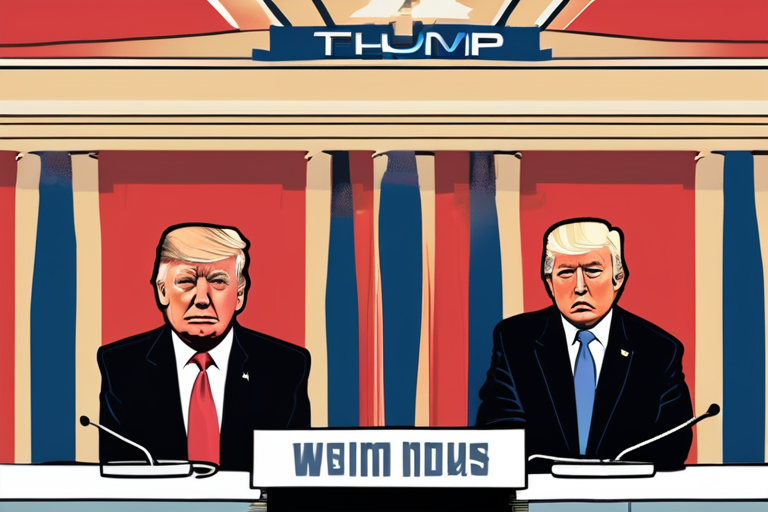
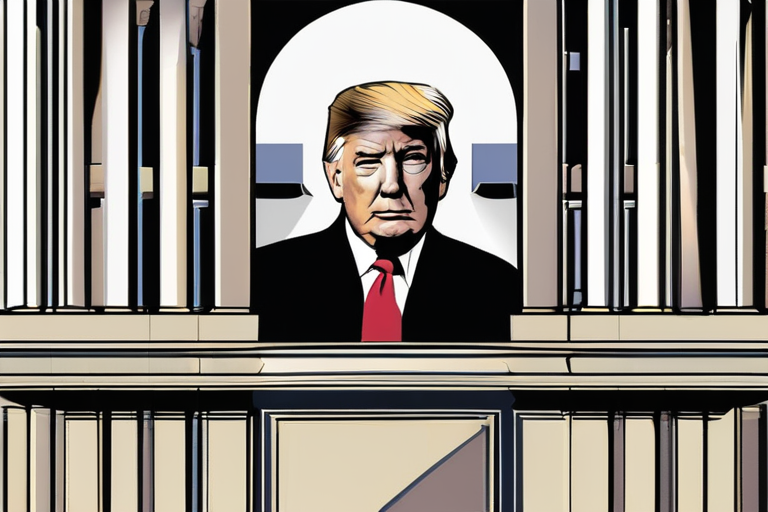
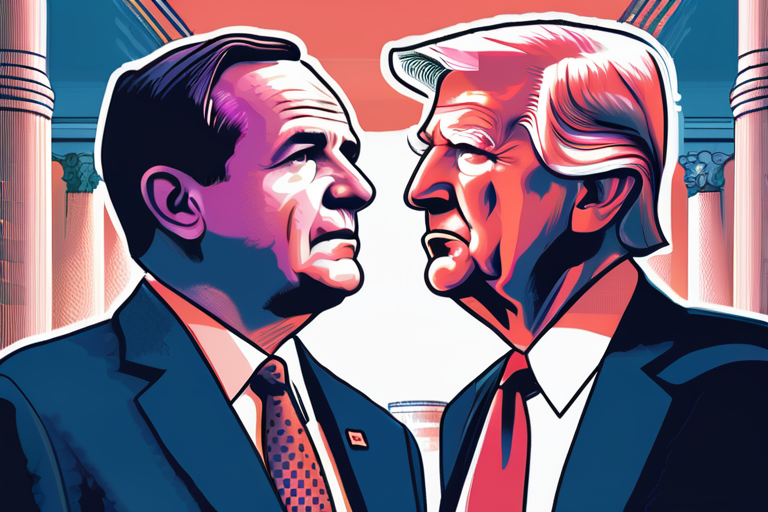
The Fed's decision to lower rates by a quarter-point is a relatively small reduction, which has sparked criticism from President Trump. In a statement, Trump expressed disappointment at the decision, suggesting that he would have preferred a larger rate cut. However, the Fed's decision is likely to be seen as a cautious and measured approach, designed to balance the need to support the economy with the need to maintain price stability.
In the coming months, the Fed will closely monitor incoming data and evaluate the impact of its rate cuts. This decision will have significant implications for businesses and consumers, and will shape the trajectory of the economy in the years to come.
As the Fed continues to navigate the complex and rapidly changing economic landscape, its decisions will have far-reaching implications for businesses, consumers, and the broader economy. The Fed's rate cut is a significant development, and its implications will be closely watched by economists, policymakers, and business leaders in the months and years to come.
Trump Criticizes Fed's Third-Strait Rate Cut as Inadequate, Advocating for a Larger Reduction
1
0
Multi-Source Journalism
This article synthesizes reporting from multiple credible news sources to provide comprehensive, balanced coverage.



















Share & Engage Share
Share this article