

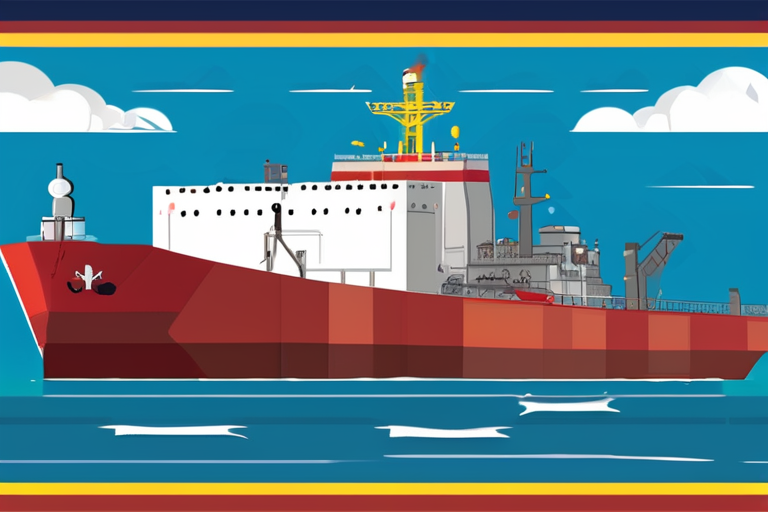
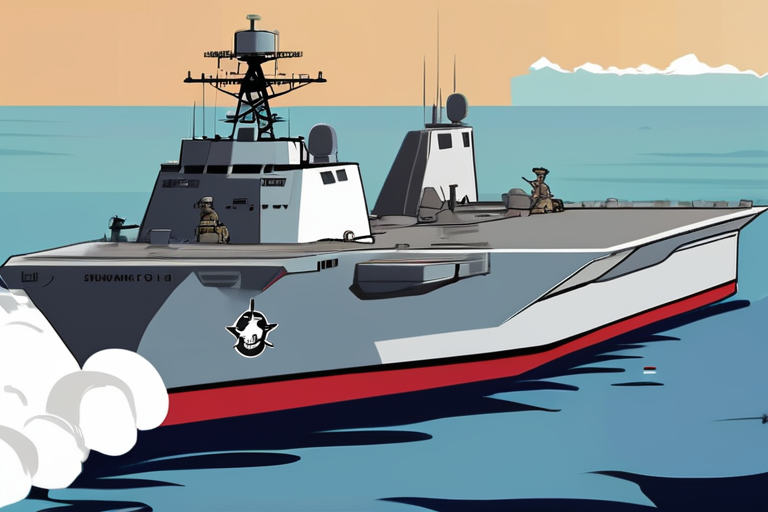
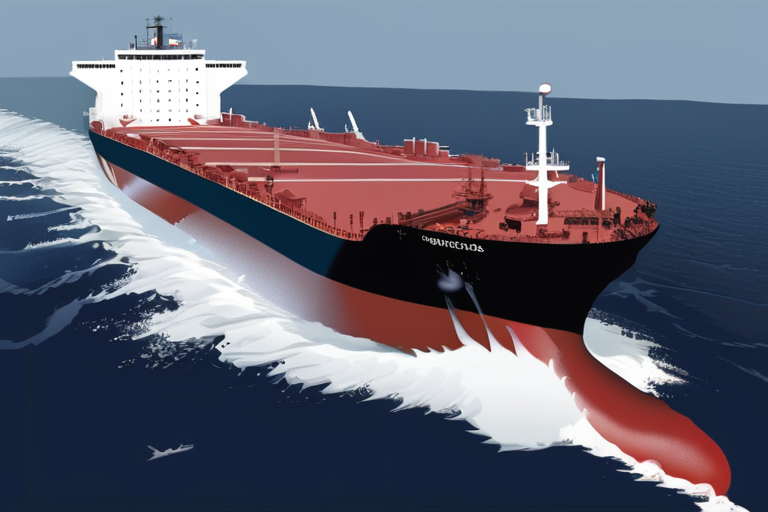
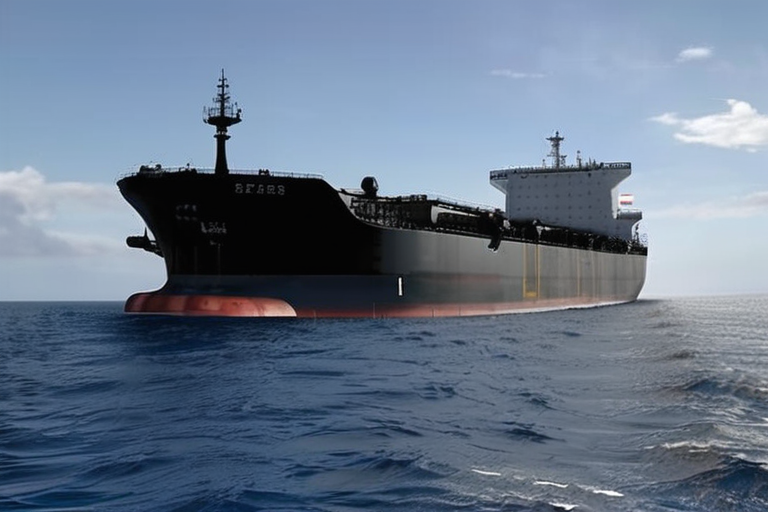
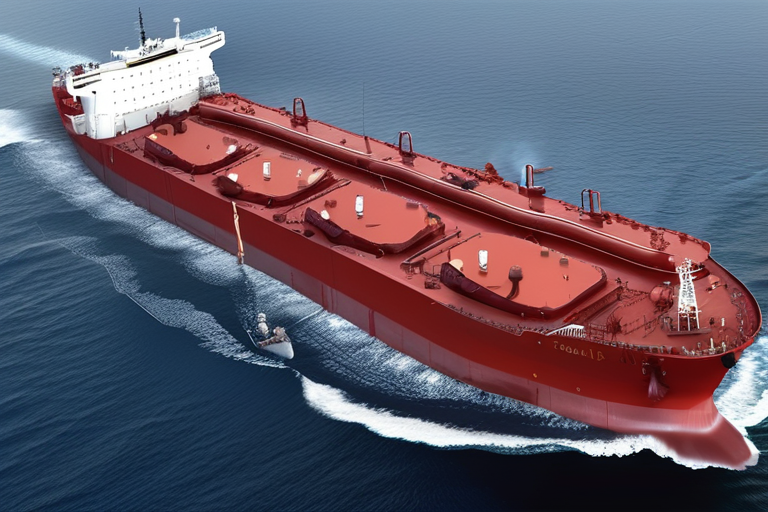
The U.S. Navy seized a Venezuelan oil tanker, the Fortuna, off the coast of Venezuela on December 10, 2025, in a move that has sparked debate and raised questions about the implications of such actions. The U.S. government has stated that the seizure was carried out in accordance with international law, but Venezuelan officials have condemned the move as an act of piracy.
Richard Haass, president emeritus of the Council on Foreign Relations, weighed in on the situation, saying, "The seizure of the Venezuelan oil tanker is a significant development in the ongoing tensions between the U.S. and Venezuela. It highlights the complexities of international law and the challenges of enforcing it in practice." Haass noted that the U.S. has a long history of seizing ships suspected of violating international sanctions, but the Venezuelan government has accused the U.S. of overstepping its authority.
According to Haass, the seizure of the Fortuna is part of a broader pattern of U.S. actions aimed at pressuring the Venezuelan government to reform its policies and respect human rights. "The U.S. has been increasingly critical of the Venezuelan government's human rights record and its authoritarian tendencies," Haass said. "The seizure of the oil tanker is a way for the U.S. to demonstrate its commitment to these values and to put pressure on the Venezuelan government to change its behavior."
The background to the seizure is complex and involves a long-standing dispute between the U.S. and Venezuela over the Venezuelan government's human rights record and its authoritarian tendencies. The U.S. has imposed sanctions on Venezuela in response to these concerns, and the Venezuelan government has accused the U.S. of interfering in its internal affairs.
Haass noted that the seizure of the oil tanker has significant implications for the global economy and for the stability of the international system. "The seizure of the oil tanker highlights the risks of escalating tensions between major powers and the potential for conflict over resources," he said. "It also raises questions about the role of international law in regulating the behavior of states and the challenges of enforcing it in practice."
As the situation continues to unfold, Haass emphasized the need for caution and restraint. "The seizure of the oil tanker is a serious development, and it requires careful consideration and a nuanced approach," he said. "The U.S. and Venezuela need to engage in dialogue and work towards a peaceful resolution to their differences."
The current status of the situation is that the U.S. Navy is holding the Fortuna and its crew, and the Venezuelan government has condemned the seizure as an act of piracy. The U.S. government has stated that it will continue to enforce its sanctions against Venezuela and will take all necessary steps to protect its interests. The situation remains fluid, and it is unclear how it will ultimately be resolved.
US Navy Seizes Venezuelan Oil Tanker, Raising Questions on International Law
1
0
Multi-Source Journalism
This article synthesizes reporting from multiple credible news sources to provide comprehensive, balanced coverage.









Share & Engage Share
Share this article