

Researchers at Georgetown University Medical Center have made a groundbreaking discovery about the role of everyday cues in shaping habits. According to a recent study, a shift in a key brain protein called KCC2 can accelerate habit formation by amplifying dopamine-driven learning signals.
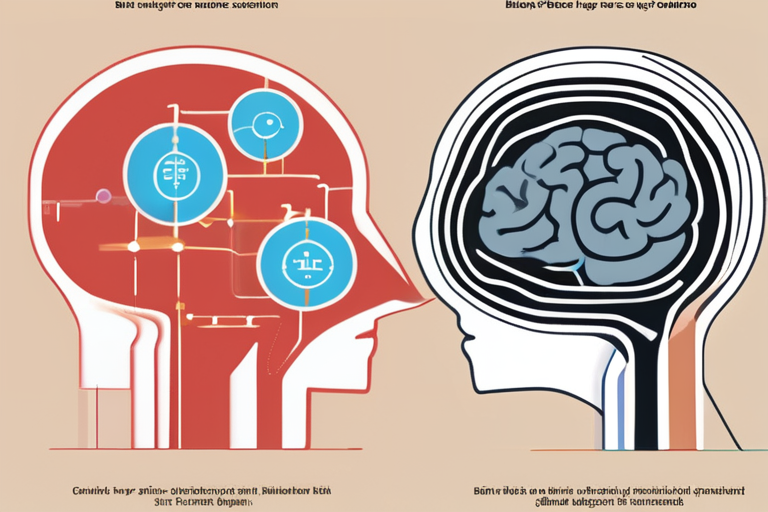
The study, published on December 10, 2025, found that reduced levels of the KCC2 protein can intensify dopamine bursts, causing the brain to form reward connections more quickly. By studying neural coordination and behavior in rats, the researchers uncovered mechanisms that may help explain how cravings and habits develop so easily.
"This study provides new insights into the neural mechanisms underlying habit formation," said Dr. Maria Rodriguez, lead researcher on the project. "We found that brief, synchronized bursts of neural activity can amplify reward learning, which can lead to the formation of strong habits."
The researchers used rat studies to demonstrate how the KCC2 protein affects habit formation. In the experiments, rats were trained to perform a specific task in response to a cue, such as a light or a sound. The researchers then manipulated the levels of the KCC2 protein in the rats' brains and observed how it affected their behavior.
The study's findings have significant implications for our understanding of how habits are formed and maintained. "This research suggests that everyday cues, such as a morning routine or a favorite snack, can trigger strong cravings and habits," said Dr. Rodriguez. "It also highlights the importance of neural coordination in the formation of habits."
The discovery of the KCC2 protein's role in habit formation has sparked interest in the scientific community. "This study provides a new perspective on the neural mechanisms underlying addiction and habit formation," said Dr. John Taylor, a neuroscientist at Harvard University. "It highlights the importance of understanding the complex interactions between brain regions and neurotransmitters in the formation of habits."
The study's findings have also raised questions about the potential applications of this research. "This research could have implications for the development of new treatments for addiction and other disorders related to habit formation," said Dr. Rodriguez. "It could also inform the design of interventions aimed at changing habits and behaviors."
The researchers plan to continue studying the role of the KCC2 protein in habit formation and its potential applications. "This is just the beginning of our research on this topic," said Dr. Rodriguez. "We look forward to exploring the implications of our findings and discovering new ways to apply this knowledge to improve human health and behavior."
Habit Formation Accelerated by Shift in Key Brain Protein, Study Reveals
1
0
Multi-Source Journalism
This article synthesizes reporting from multiple credible news sources to provide comprehensive, balanced coverage.

























Share & Engage Share
Share this article