
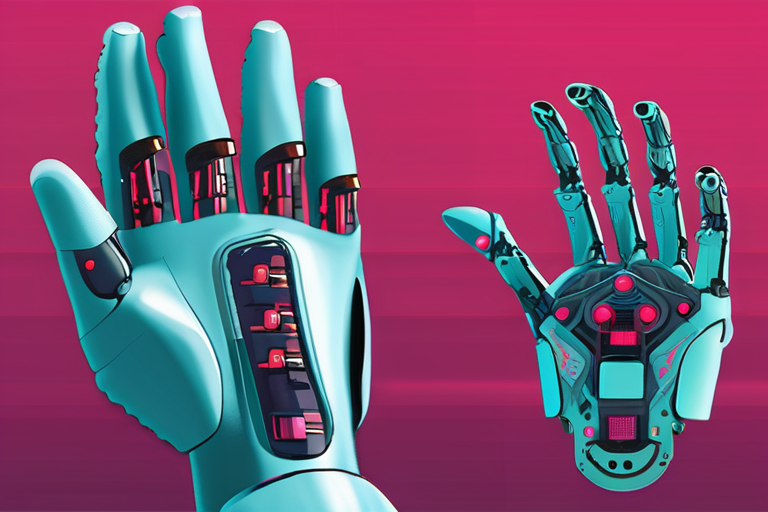
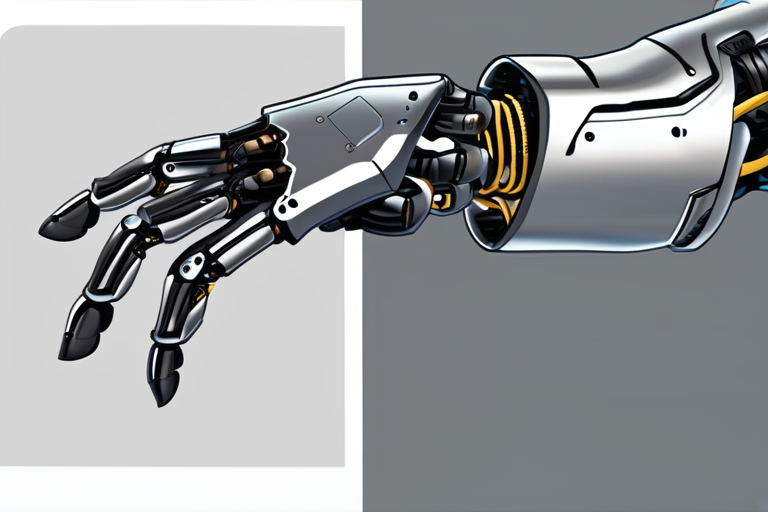
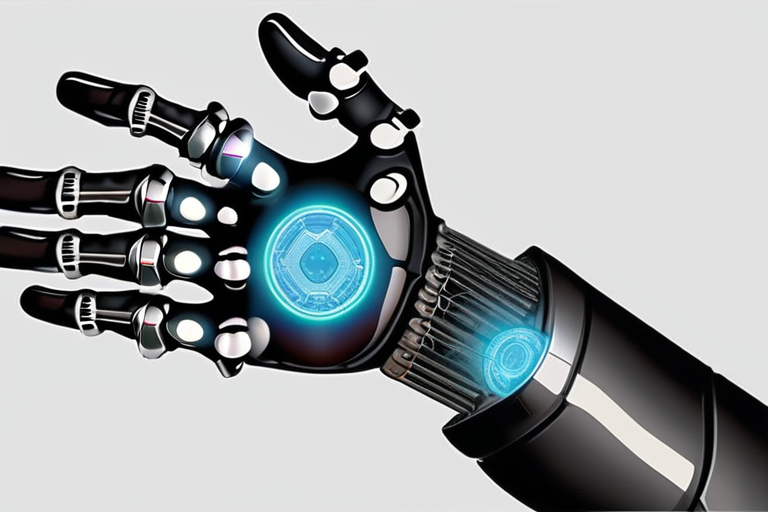
Scientists at the University of Utah have developed an artificial intelligence (AI) co-pilot for prosthetic bionic hands, aiming to address the control issues that often lead users to abandon these advanced devices. According to Jake George, an electrical and computer engineer at the university, up to 50 percent of people with upper limb amputation stop using their bionic hands, citing difficulty in controlling them as the primary reason.
The AI co-pilot, designed by George's team, is intended to make bionic hands more intuitive and user-friendly. "Our goal was making such bionic arms more intuitive, so that users could go about their tasks without having to think about it," George explained. By incorporating AI, the team aimed to replicate the complex system of reflexes and feedback loops that enable natural movements.
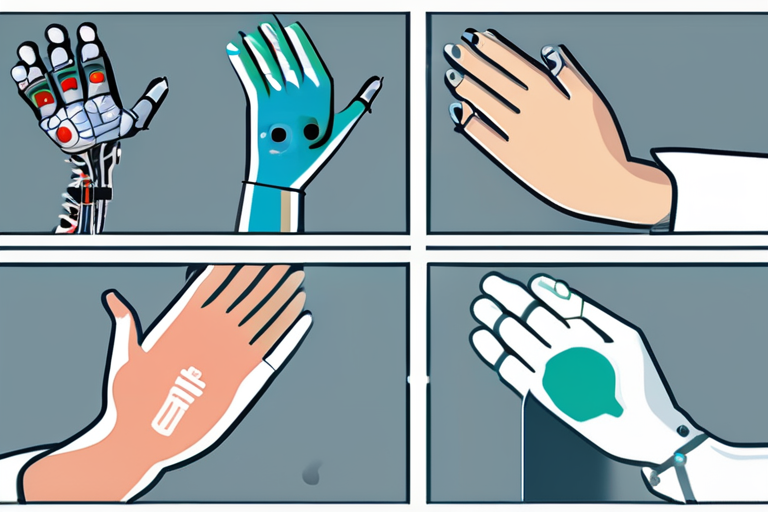
The control problems with bionic hands stem from their lack of autonomy. Unlike natural hands, which can adjust to changing situations through reflexes and feedback, bionic hands often require users to manually adjust their grip and movement. This can lead to difficulties in tasks such as grasping a paper cup without crushing it or catching a ball mid-flight.
George's team drew inspiration from the human nervous system, which enables natural movements through a complex interplay of signals and feedback. The AI co-pilot is designed to mimic this process, allowing users to perform tasks with greater ease and precision. "When an object you hold begins to slip, tiny mechanoreceptors in your fingers send signals to your brain, which then adjusts your grip accordingly," George said. "We're trying to replicate this process with our AI co-pilot."
The development of the AI co-pilot has significant implications for society, particularly for individuals with upper limb amputations. According to the National Limb Loss Information Center, there are over 2 million people in the United States living with limb loss. By improving the usability and effectiveness of bionic hands, the AI co-pilot could enhance the quality of life for these individuals.
While the AI co-pilot is still in its early stages, George's team is optimistic about its potential. "We're excited about the possibilities this technology offers," George said. "We believe that our AI co-pilot could revolutionize the way people with upper limb amputations interact with their environment." As the technology continues to evolve, it is likely to have a significant impact on the field of prosthetics and rehabilitation.
Scientists Develop AI Co-Pilot to Revolutionize Prosthetic Bionic Hand Control
1
0
Multi-Source Journalism
This article synthesizes reporting from multiple credible news sources to provide comprehensive, balanced coverage.











Share & Engage Share
Share this article