

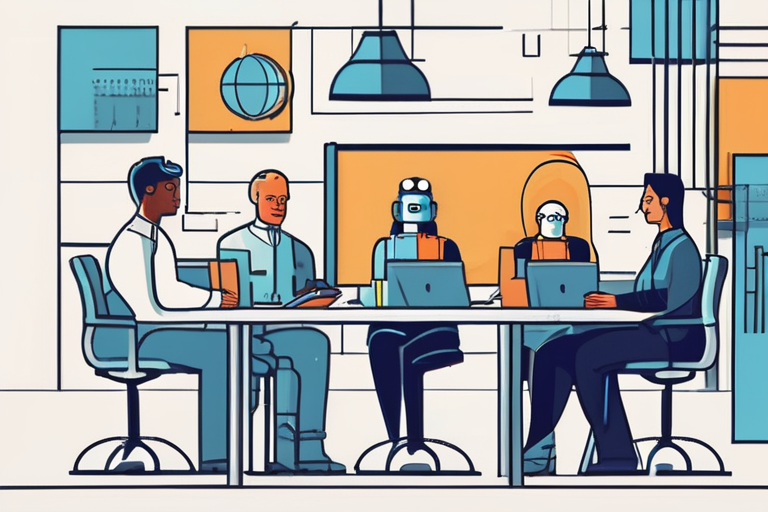
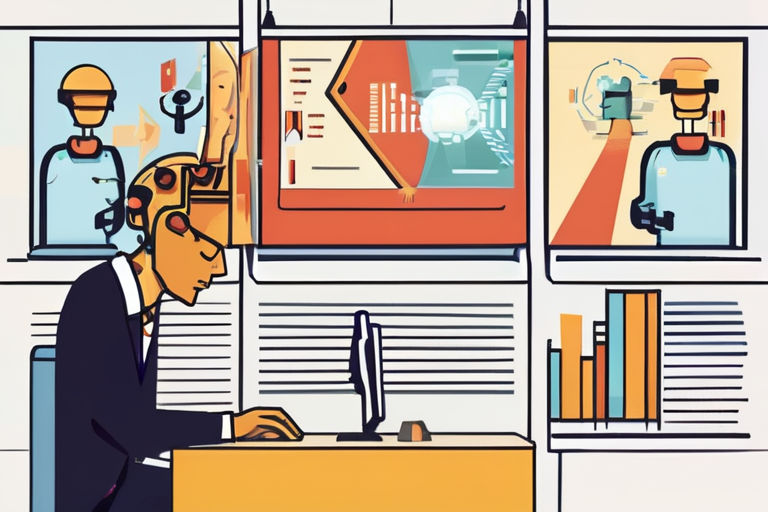
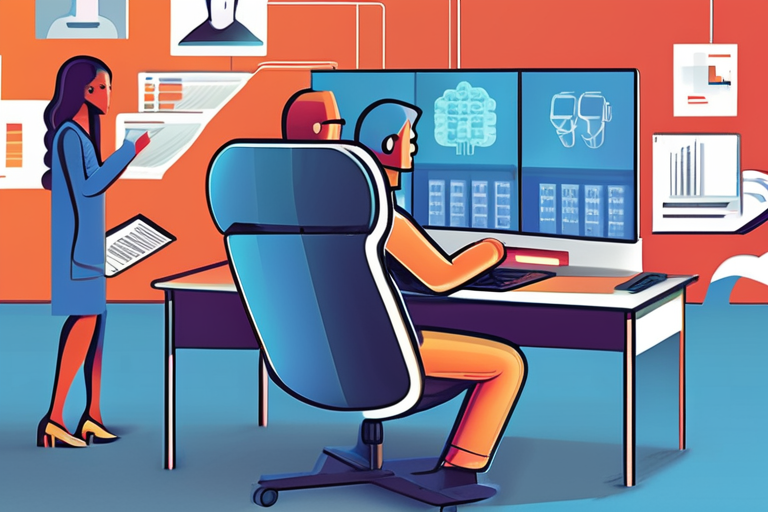
Xu explained that most workers are currently producers, spending their time figuring out how to accomplish specific goals, such as increasing customer satisfaction scores or closing revenue. However, with AI agents handling more tasks, workers will shift their focus to setting goals and delegating them to AI. "Instead of asking, 'How do I accomplish the goal?' they'll instead focus on, 'What are the goals that I want to accomplish, and then how do I delegate those goals to AI?'" Xu said.
This shift in roles is a response to the growing use of AI tools in various sectors, including marketing, customer service, and graphic design. Companies are already deploying AI agents to take on tasks such as handling customer inquiries, generating content, and creating visual materials. While some creative professionals may be anxious about AI automation, executives believe that this change will ultimately lead to more efficient and effective work processes.
The use of AI agents in the workplace is not a new concept, but it is becoming increasingly prevalent. According to a report by Gartner, AI adoption in the enterprise is expected to continue growing, with 70% of companies planning to deploy AI by 2025. As AI becomes more integrated into the workforce, it is likely that we will see a significant shift in the way work is done.
While some may worry about the impact of AI on jobs, executives believe that this change will ultimately lead to more creative and innovative work. By focusing on setting goals and delegating tasks to AI, workers will be able to focus on higher-level thinking and more complex tasks, leading to increased productivity and efficiency.
The Fortune Brainstorm AI conference brought together industry leaders and experts to discuss the latest developments in AI and its impact on the workforce. The conference highlighted the need for workers to adapt to this changing landscape and to develop new skills that will be necessary for success in an AI-driven economy.
As AI continues to evolve and become more integrated into the workforce, it is likely that we will see a significant shift in the way work is done. While some may be anxious about the impact of AI on jobs, executives believe that this change will ultimately lead to more efficient and effective work processes.
Creative Workers to Evolve into AI Directors, Redefining Productivity
1
0

Multi-Source Journalism
This article synthesizes reporting from multiple credible news sources to provide comprehensive, balanced coverage.





Share & Engage Share
Share this article