

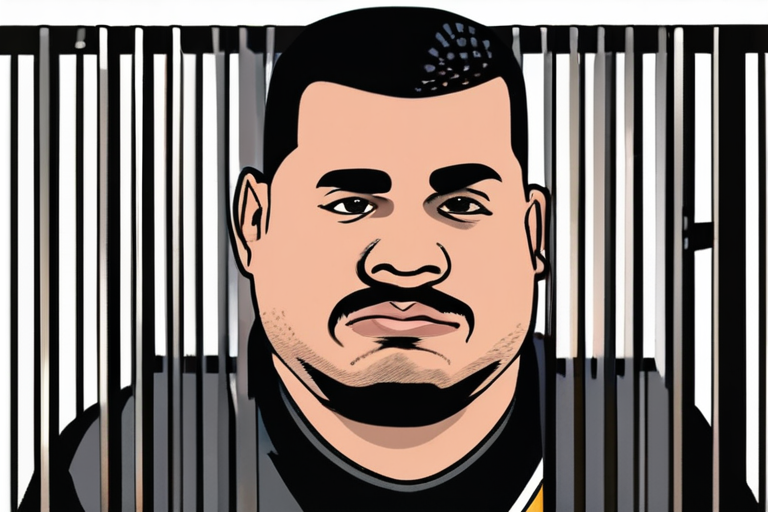
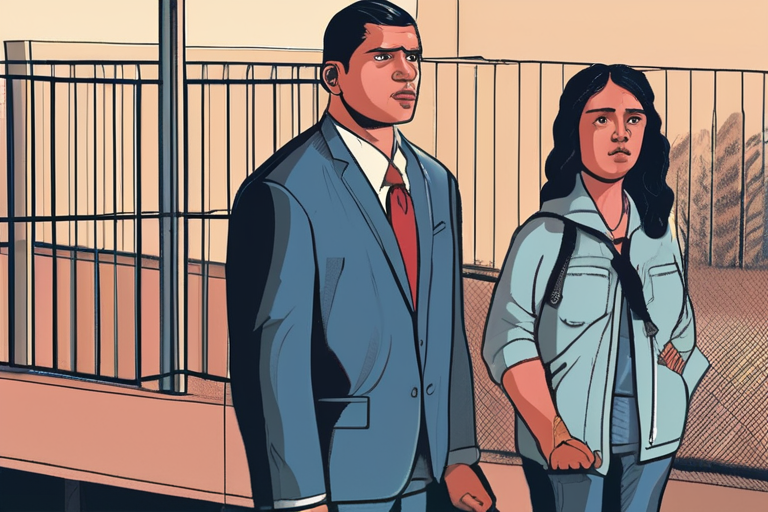
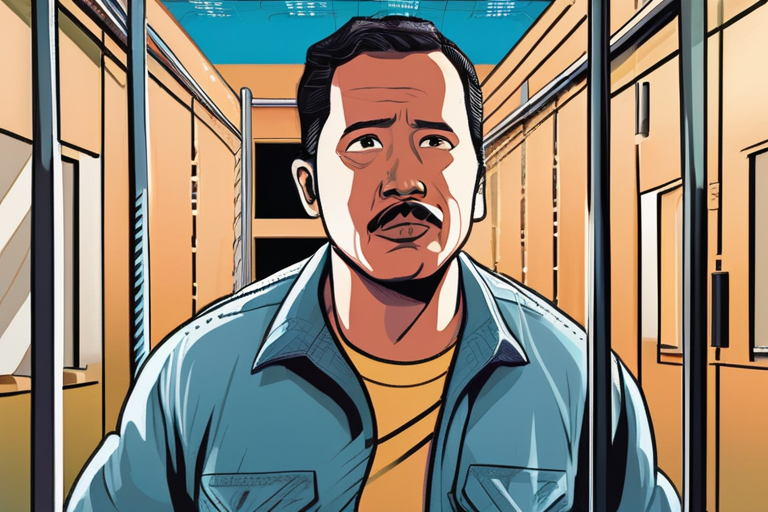
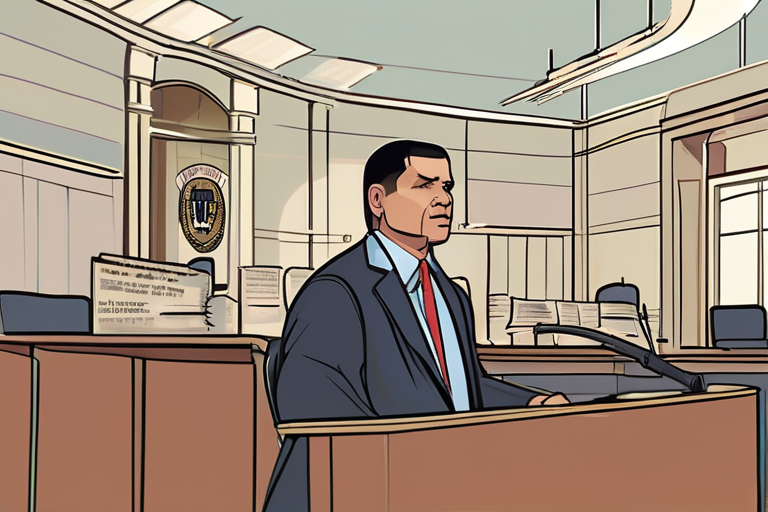
Kilmar Abrego Garcia was released from Immigration and Customs Enforcement custody yesterday, following a federal judge's ruling that the government failed to produce a lawful order for his removal from the United States. The decision came after Abrego Garcia was deported to El Salvador in March due to what ICE called an "administrative error." He was eventually brought back and detained in the U.S.
U.S. District Judge, who presided over the case, stated that the government's failure to provide a lawful order for Abrego Garcia's removal was a significant factor in the decision to release him. The judge's ruling was seen as a victory for Abrego Garcia's lawyers, who argued that the government's actions were a clear violation of his due process rights.
Abrego Garcia's case highlights the complexities and challenges of the U.S. immigration system. His initial deportation was attributed to an administrative error, which raised questions about the accuracy and efficiency of the system. The subsequent reversal and detention of Abrego Garcia have sparked concerns about the treatment of immigrants and the need for reforms.
In a separate development, the Indiana General Assembly has rejected a proposed redistricting plan, which would have altered the state's congressional and legislative districts. The plan, which was put forward by the state's Republican-controlled legislature, was met with opposition from Democrats and voting rights groups, who argued that it would have disproportionately affected minority communities.
Indiana Secretary of State, Holli Sullivan, stated that the rejection of the plan was a victory for transparency and accountability in the redistricting process. However, opponents of the plan, including Democratic lawmakers and civil rights groups, expressed disappointment and frustration with the outcome.
The rejection of the redistricting plan is seen as a significant setback for the Indiana General Assembly, which had hoped to finalize the new districts before the end of the year. The delay is likely to push back the implementation of the new districts, which could have significant implications for the state's electoral landscape.
In the coming weeks, the Indiana General Assembly is expected to revisit the redistricting plan and work towards a new proposal that addresses the concerns of all stakeholders. The process is likely to be contentious, with both parties vying for control of the state's electoral map.
Federal Judge Orders Release of Kilmar Abrego Garcia from ICE Custody
1
0
Multi-Source Journalism
This article synthesizes reporting from multiple credible news sources to provide comprehensive, balanced coverage.


























Share & Engage Share
Share this article