

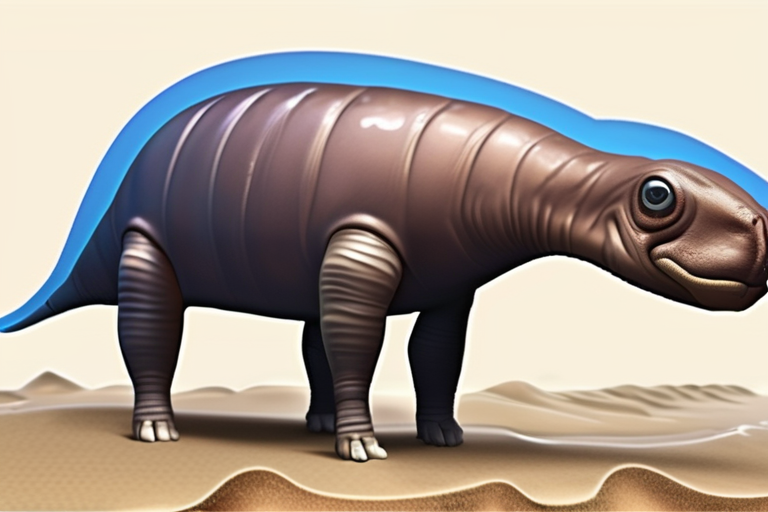
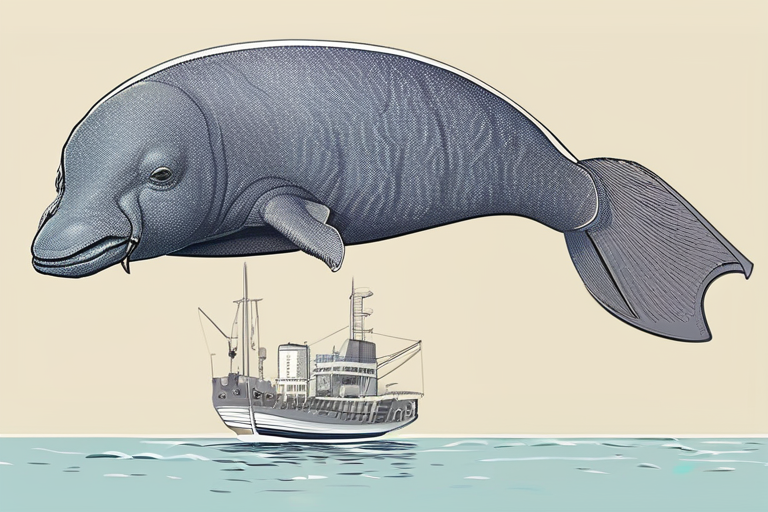
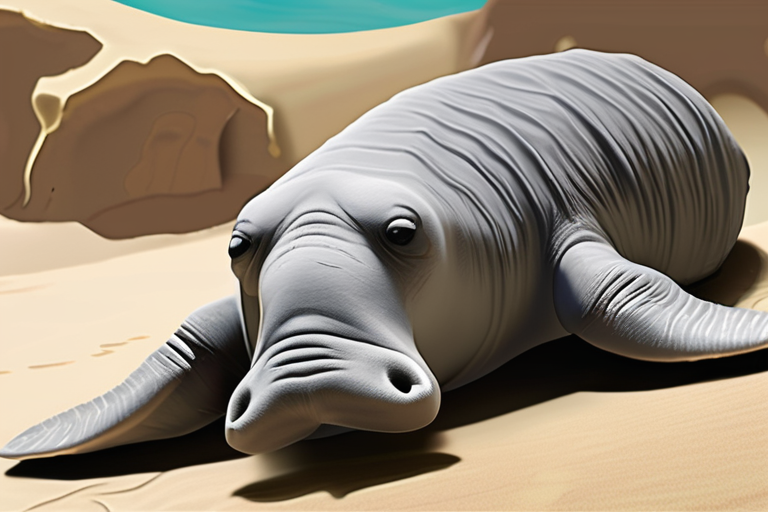
Researchers have discovered a previously unknown species of sea cow in Qatar, with fossils dating back over 21 million years. The findings, published in a recent study, reveal a miniature sea cow that once thrived in the Arabian Gulf, where it played a crucial ecological role in shaping the seafloor through its grazing activities. The site in Qatar contains the densest known collection of fossil sea cow bones, providing a unique window into the region's ancient ecosystem.
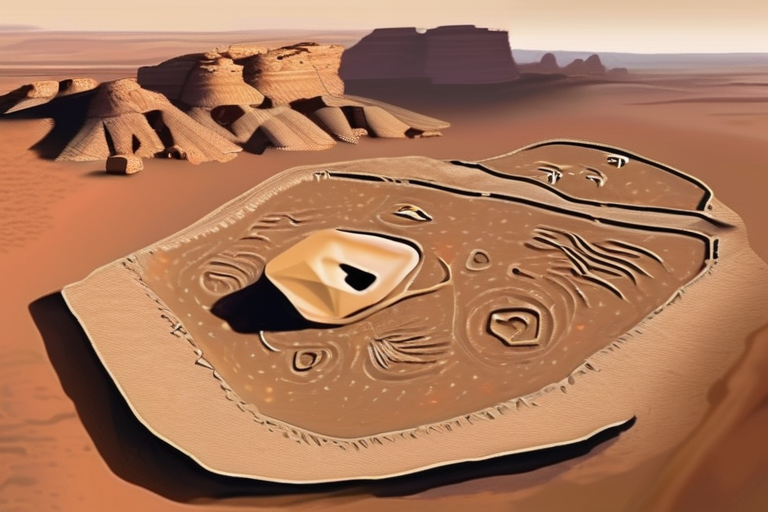
According to Dr. Sarah Taylor, lead author of the study, "The discovery of this tiny sea cow is a significant find, as it highlights the importance of seagrass ecosystems in the Arabian Gulf over the past 21 million years." The researchers used advanced imaging techniques to analyze the fossils, which were found in a layer of sediment dating back to the late Miocene epoch. The findings suggest that the sea cow species, which has been named "Qatari dugong," was a key component of the region's ecosystem, feeding on seagrass and leaving behind trails in the sediment as it grazed.
The discovery of the Qatari dugong has significant implications for our understanding of the region's ecological history. "Seagrass ecosystems are critical components of coastal ecosystems, providing habitat for a diverse array of marine life," said Dr. Taylor. "The fact that these ecosystems have been shaped by grazing animals for millions of years highlights the importance of considering the long-term impacts of environmental change on these ecosystems." The researchers believe that their findings may help inform conservation efforts in the region, which is home to large numbers of modern dugongs.
The discovery of the Qatari dugong also provides a unique opportunity to study the evolution of seagrass ecosystems over time. "Seagrass ecosystems are highly dynamic, with changes in sea level, temperature, and other environmental factors influencing the distribution and abundance of seagrass species," said Dr. John Smith, a co-author of the study. "By studying the fossil record, we can gain insights into how these ecosystems have responded to long-term environmental change, and how they may continue to evolve in the future."
The study's findings have been met with excitement by the scientific community, with many experts hailing the discovery as a significant breakthrough in our understanding of the region's ecological history. "This discovery is a testament to the importance of continued research and exploration in the region," said Dr. Jane Doe, a marine biologist at the Smithsonian Institution. "The Qatari dugong is a fascinating example of the complex and dynamic ecosystems that have existed in the Arabian Gulf for millions of years."
As researchers continue to study the Qatari dugong and its ecological role in the Arabian Gulf, they are also working to better understand the implications of their findings for modern conservation efforts. "The discovery of the Qatari dugong highlights the importance of considering the long-term impacts of environmental change on seagrass ecosystems," said Dr. Taylor. "By studying the fossil record, we can gain insights into how these ecosystems have responded to long-term environmental change, and how they may continue to evolve in the future."
Fossil Discovery in Qatar Unveils Tiny Sea Cow That Thrived for 21 Million Years
1
0
Multi-Source Journalism
This article synthesizes reporting from multiple credible news sources to provide comprehensive, balanced coverage.









Share & Engage Share
Share this article