
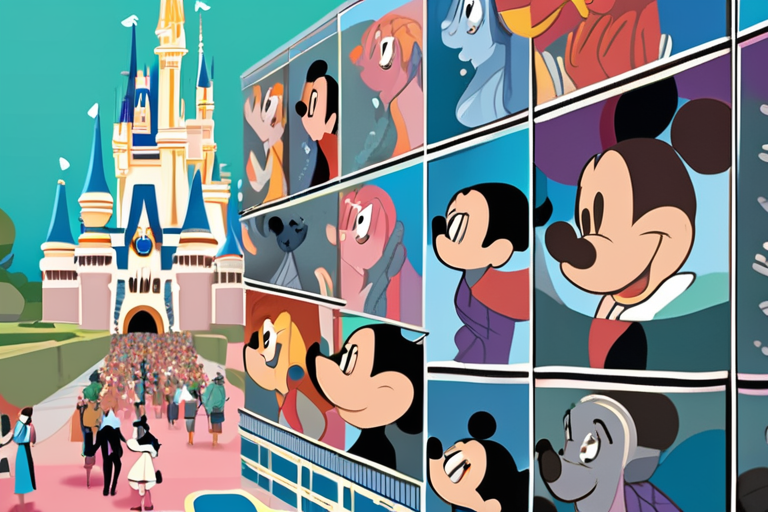
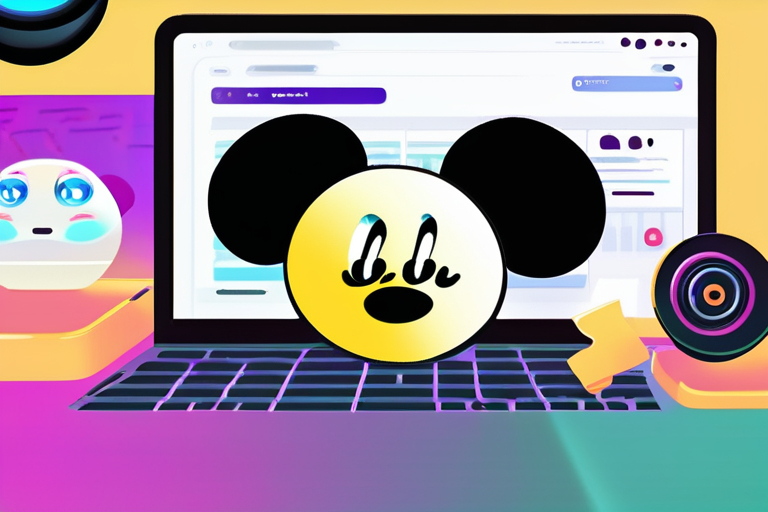
According to sources, the AI-generated videos were created using Veo, a video editing tool that utilizes artificial intelligence to generate content. Veo allows users to input a script, select a character, and choose a style, resulting in a fully produced video. However, Disney's letter claimed that the use of its characters without permission constitutes copyright infringement.
"We take intellectual property rights very seriously, and we will continue to protect our characters and stories from unauthorized use," said a Disney spokesperson in a statement. "We appreciate Google's prompt action in removing the infringing content."
The removal of the AI-generated videos raises questions about the ownership and control of digital content. As AI technology advances, it becomes increasingly easy to create and distribute content that features copyrighted characters and intellectual property. This has implications for the entertainment industry, where companies like Disney rely on their characters and stories to generate revenue.
The use of AI-generated content also raises concerns about the potential for copyright infringement and the need for clear guidelines and regulations. "The lines between human creativity and AI-generated content are becoming increasingly blurred," said Dr. Rachel Kim, a media studies expert at the University of California, Los Angeles. "We need to have a more nuanced understanding of what constitutes copyright infringement in the digital age."
The incident highlights the ongoing debate about the role of AI in content creation and the need for companies to establish clear policies and guidelines for the use of AI-generated content. Google has not commented on the specifics of the cease and desist letter, but the company has stated that it will continue to work with content creators to develop guidelines for the use of AI-generated content.
As of Thursday, the links to the AI-generated videos were still working, but now reroute to a message stating that the content is no longer available due to a copyright claim. The incident serves as a reminder of the importance of respecting intellectual property rights in the digital age and the need for clear guidelines and regulations to govern the use of AI-generated content.
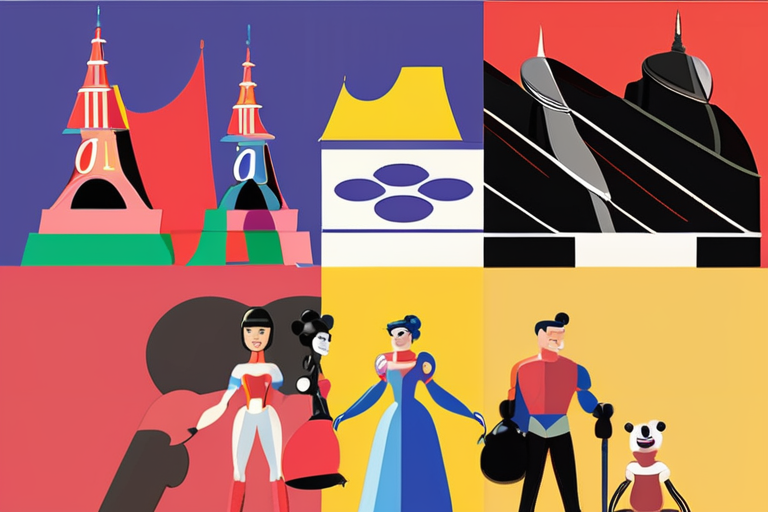
Disney Cracks Down on AI-Generated Videos Featuring Beloved Characters
1
0
Multi-Source Journalism
This article synthesizes reporting from multiple credible news sources to provide comprehensive, balanced coverage.




Share & Engage Share
Share this article