

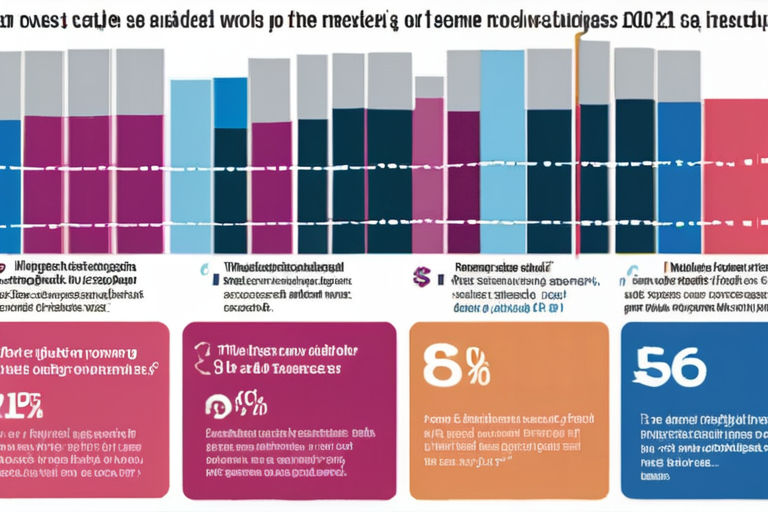
The carrier screening market has witnessed a significant shift in recent years, with companies now offering tests for hundreds of genes to help individuals make informed decisions when trying to become parents. This expansion of carrier screening has led to a surge in demand, with the global market projected to reach $1.5 billion by 2025, growing at a compound annual growth rate (CAGR) of 15.6% from 2020 to 2025.
According to a report by Grand View Research, the carrier screening market is expected to be driven by the increasing awareness of genetic disorders and the need for early detection. The report notes that the market is also being fueled by the growing demand for non-invasive prenatal testing (NIPT) and the development of new technologies that enable the detection of genetic mutations at an early stage.
One of the key players in the carrier screening market is Invitae Corporation, a genetic testing company that offers a range of tests, including carrier screening for hundreds of genes. In 2020, Invitae reported revenue of $341.6 million, a 34.6% increase from the previous year. The company's carrier screening business has been a major contributor to its growth, with revenue from this segment increasing by 45.8% in 2020.
The expansion of carrier screening has also led to increased competition in the market, with several new players entering the space. One of the most notable entrants is Natera, a genetic testing company that offers a range of tests, including carrier screening for hundreds of genes. Natera's carrier screening business has been growing rapidly, with revenue from this segment increasing by 50.6% in 2020.
The market impact of expanded carrier screening is significant, with the ability to detect genetic mutations at an early stage allowing individuals to make informed decisions about their reproductive health. However, the expansion of carrier screening also raises concerns about the potential for genetic discrimination and the need for greater regulation of the industry.
In the UK, where carrier screening is not currently offered, there are concerns about the potential impact on the National Health Service (NHS). The NHS has expressed concerns about the potential for genetic testing to lead to unnecessary anxiety and the need for greater regulation of the industry.
The industry background is complex, with several companies offering carrier screening tests. Invitae, Natera, and Counsyl are some of the key players in the market. The companies offer a range of tests, including carrier screening for hundreds of genes. The tests are typically offered as a package, with individuals paying a premium for the comprehensive testing.
Looking ahead, the carrier screening market is expected to continue to grow, driven by the increasing awareness of genetic disorders and the need for early detection. The market is expected to reach $2.5 billion by 2030, growing at a CAGR of 12.6% from 2025 to 2030. The expansion of carrier screening is likely to lead to increased competition in the market, with several new players entering the space. However, the industry is also likely to face greater regulation, with governments and regulatory bodies seeking to address concerns about genetic discrimination and the need for greater transparency.
In conclusion, the expansion of carrier screening has led to a significant shift in the market, with companies now offering tests for hundreds of genes to help individuals make informed decisions when trying to become parents. The market is expected to continue to grow, driven by the increasing awareness of genetic disorders and the need for early detection. However, the industry is also likely to face greater regulation, with governments and regulatory bodies seeking to address concerns about genetic discrimination and the need for greater transparency.
Carrier Screening Market Expands: Is the Surge in Demand Worth the Investment?
1
0

Multi-Source Journalism
This article synthesizes reporting from multiple credible news sources to provide comprehensive, balanced coverage.






























Share & Engage Share
Share this article