

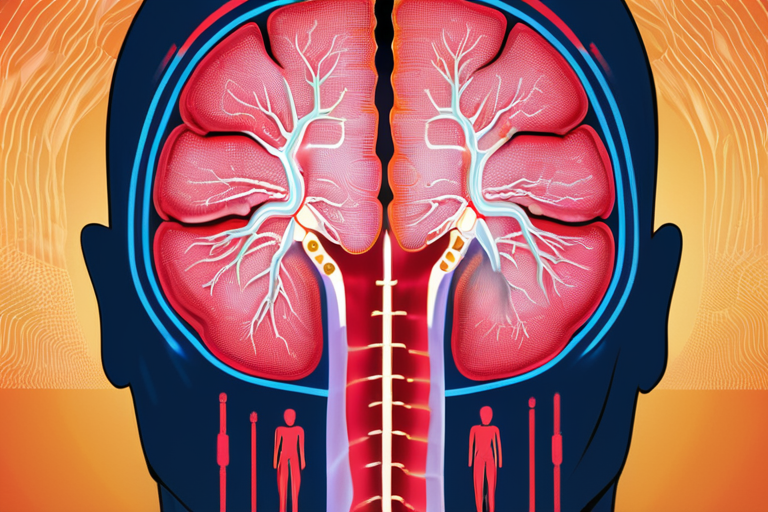
Scientists exploring how the brain responds to stress have discovered molecular changes that can influence behavior long after an experience ends. These findings, published in a recent Genomic Press Interview, are reshaping ideas about resilience and future mental health treatments. According to Dr. Eric J. Nestler, researchers have identified natural resilience systems that help protect certain individuals from harm, opening the door to treatments that focus on building strength, not just correcting problems.
The research, which delves into stress, addiction, and resilience, has revealed biological mechanisms that help explain why some people recover quickly while others struggle. Dr. Nestler, a renowned expert in the field, notes that these discoveries are shifting mental health science toward approaches that enhance natural strengths. "We're moving away from the idea that mental illness is solely a result of genetic predisposition or environmental factors," he said. "Instead, we're recognizing that the brain has an incredible capacity to adapt and change in response to experiences, and that this adaptability can be harnessed to promote resilience."
The study's findings are based on a comprehensive analysis of brain tissue and behavior in individuals who have experienced stress and trauma. Researchers identified specific molecular changes that occur in response to stress, which can influence behavior long after the initial experience has passed. These changes, Dr. Nestler explains, are not necessarily pathological, but rather a natural response to stress that can be beneficial in certain contexts. "We're not talking about a one-size-fits-all approach to mental health treatment," he said. "Instead, we're recognizing that each individual has a unique set of strengths and vulnerabilities that can be leveraged to promote resilience and well-being."
The research has significant implications for the development of new mental health treatments. By focusing on building strength and resilience, rather than simply correcting problems, clinicians may be able to provide more effective and sustainable support for individuals struggling with mental illness. Dr. Nestler notes that this approach is already being explored in various therapeutic settings, including cognitive-behavioral therapy and mindfulness-based interventions.
The study's findings are also fueling a broader effort to keep science open, independent, and accessible. Dr. Nestler emphasizes the importance of collaboration and transparency in scientific research, particularly in the field of mental health. "We need to be working together to advance our understanding of the brain and behavior, and to develop effective treatments that meet the needs of individuals and communities," he said.
The research is ongoing, with scientists continuing to explore the complex relationships between stress, resilience, and mental health. As new findings emerge, clinicians and researchers are likely to develop more effective and targeted approaches to mental health treatment. Dr. Nestler notes that this is an exciting time for the field, with many opportunities for innovation and growth. "We're on the cusp of a major shift in our understanding of mental health and illness," he said. "And I'm confident that this shift will lead to better outcomes for individuals and communities around the world."
Brain Stress Switch Revealed: Groundbreaking Findings Redefine Mental Health Treatment
1
0
Multi-Source Journalism
This article synthesizes reporting from multiple credible news sources to provide comprehensive, balanced coverage.









Share & Engage Share
Share this article