

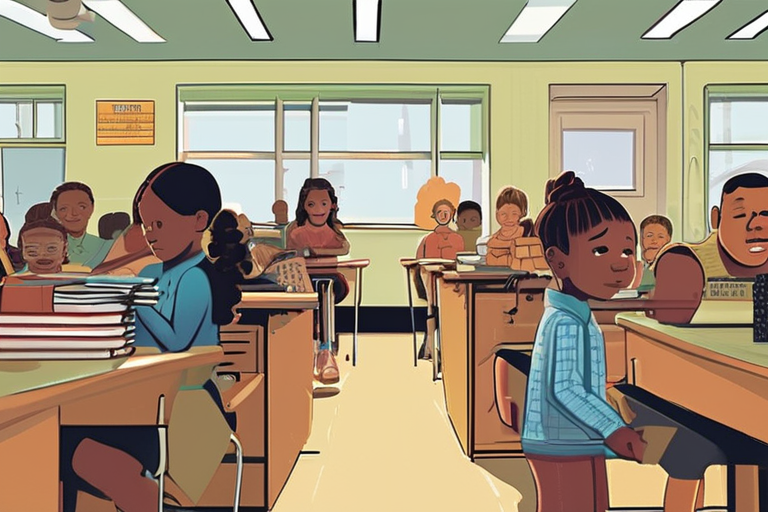
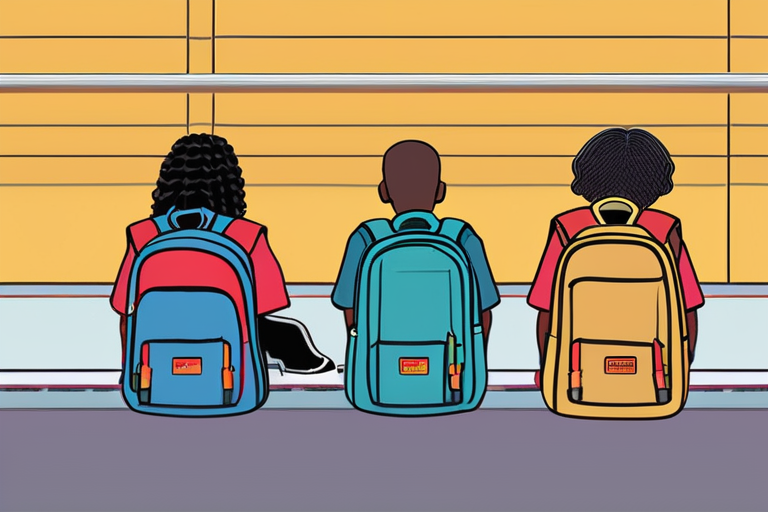
Researchers at the Harvard T.H. Chan School of Public Health have discovered a significant drop in mental health diagnoses among children who returned to in-person school during the COVID-19 pandemic. According to the study, children who went back to school experienced far fewer diagnoses of anxiety, depression, and attention deficit hyperactivity disorder (ADHD) compared to those who remained in remote learning environments.
The study found that the reductions in mental health diagnoses were most pronounced among girls, who showed the largest improvements in anxiety, depression, and ADHD. Mental health care spending also decreased notably after schools reopened, with an 11 percent drop in healthcare costs tied to these conditions.
"This study highlights the importance of school-based structure and support for children's mental health," said Dr. Elizabeth Miller, a pediatrician and researcher at the Harvard T.H. Chan School of Public Health. "The findings suggest that in-person learning may have a positive impact on children's mental health, particularly for girls."
The study's findings are consistent with previous research that has shown the benefits of in-person learning for children's social and emotional development. "Schools provide a critical environment for children to develop social skills, build relationships, and receive support from teachers and peers," said Dr. Miller. "The pandemic has highlighted the importance of investing in school-based mental health programs and services."
The study's authors note that the pandemic has had a disproportionate impact on children's mental health, with many experiencing increased anxiety, depression, and other mental health concerns. However, the findings suggest that in-person learning may be a key factor in mitigating these effects.
The study's results have significant implications for policymakers and educators, who are seeking to support the mental health and well-being of children during the pandemic and beyond. "These findings suggest that schools should prioritize in-person learning and provide additional support for students who may be struggling with mental health concerns," said Dr. Miller.
The study's authors plan to continue their research on the impact of in-person learning on children's mental health, with a focus on identifying effective strategies for supporting students who may be struggling. In the meantime, parents and caregivers can take steps to support their children's mental health by encouraging in-person learning, providing a stable and supportive home environment, and seeking professional help when needed.
Kids' Anxiety and Depression Plummet After In-Person School Reopenings
1
0
Multi-Source Journalism
This article synthesizes reporting from multiple credible news sources to provide comprehensive, balanced coverage.














Share & Engage Share
Share this article