

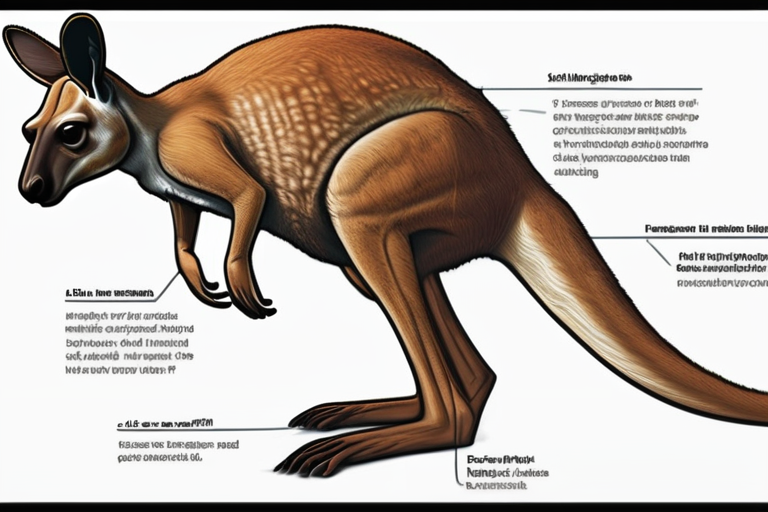
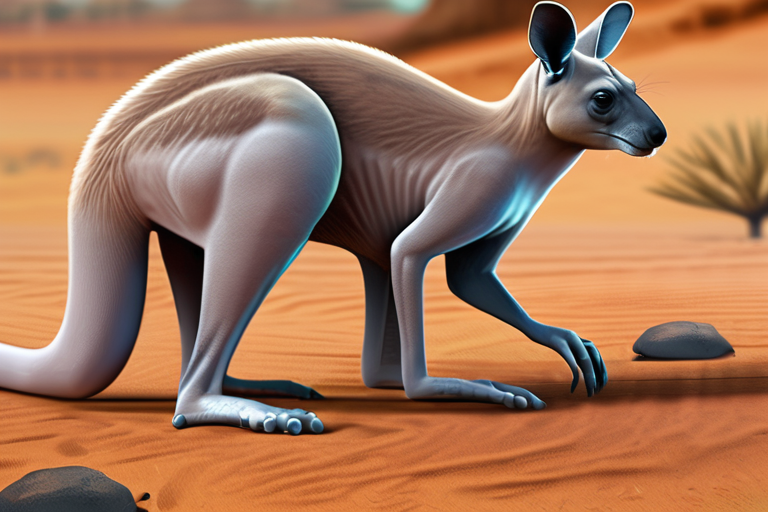
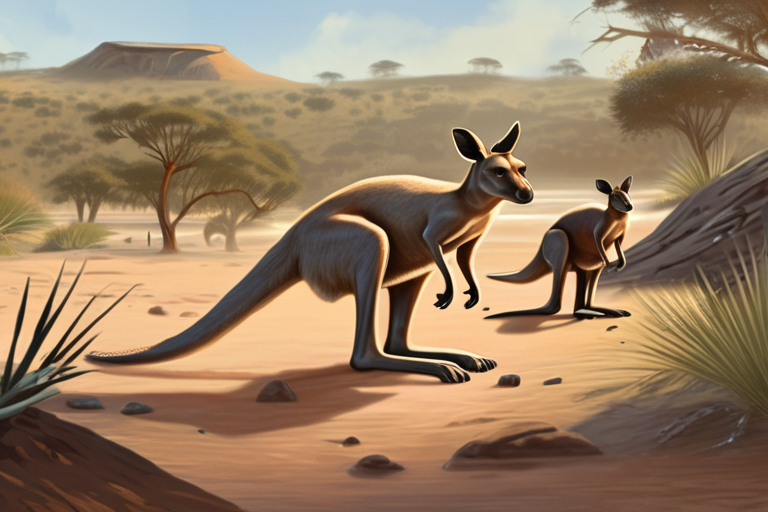
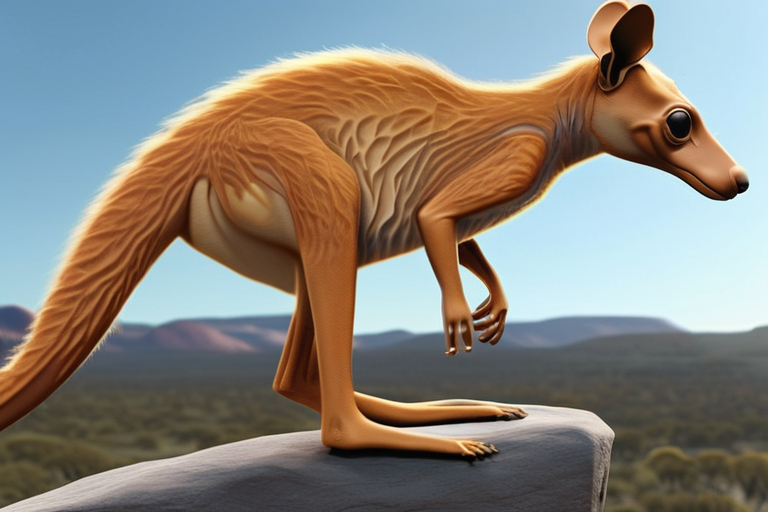
Researchers from Curtin University, the Western Australian Museum, and Murdoch University have identified a previously unknown species of native bushland marsupial, closely related to the kangaroo, through a recent analysis of ancient fossils from caves across Western Australia. The new species of bettong, along with two newly recognized subspecies of woylie, was discovered by studying fossils recovered from caves across the Nullarbor and southwest Australia.
According to Dr. Nellie Pease, lead researcher on the project, the discovery was made possible through the use of advanced computational methods and machine learning algorithms to analyze the fossil data. "We were able to identify the new species by analyzing the morphology of the fossils and comparing them to known species," Dr. Pease explained. "The use of AI in this research has been instrumental in helping us to identify the new species and understand its relationships to other marsupials."
The new species of bettong, which has been named, is believed to have been already extinct by the time its remains were studied. The researchers estimate that the species went extinct around 10,000 years ago, likely due to a combination of factors including climate change and human activity. "The discovery of this new species highlights the importance of preserving our natural heritage and protecting the remaining populations of native marsupials," said Dr. Pease.
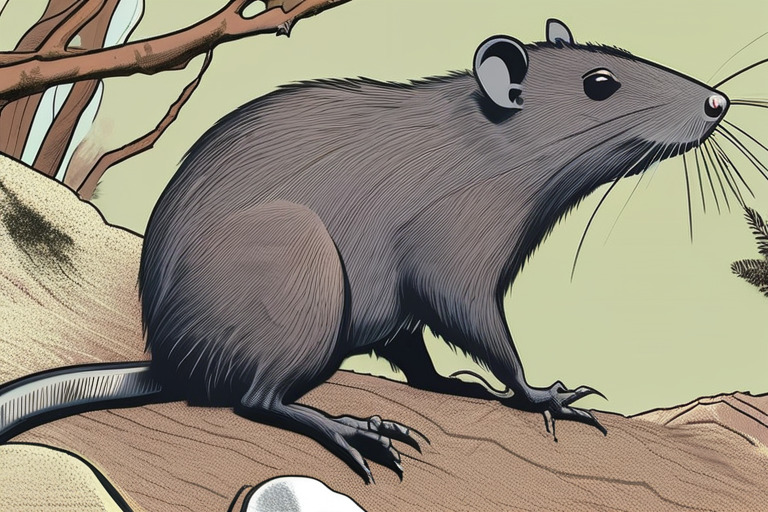
Woylies, which are small to medium-sized marsupials, play a crucial role in their ecosystems as key ecosystem engineers. They help to disperse seeds and create pathways for other animals to follow, which can have a significant impact on the local vegetation and wildlife. The discovery of two new subspecies of woylie highlights the importance of continued research into these fascinating creatures.
The researchers used a range of techniques, including CT scans and 3D printing, to analyze the fossils and create detailed models of the new species. "The use of advanced technologies has allowed us to gain a much deeper understanding of the evolution and biology of these fascinating creatures," said Dr. Pease.
The discovery of the new species and subspecies of marsupials has significant implications for our understanding of the evolution of these animals and the impact of human activity on their populations. It also highlights the importance of continued research into these fascinating creatures and the need to preserve our natural heritage.
The researchers plan to continue their study of the new species and subspecies, with a focus on understanding their behavior, ecology, and conservation status. "We hope that our research will contribute to a greater understanding of these amazing animals and help to inform conservation efforts," said Dr. Pease.
The study was published in a recent issue of the journal, and the researchers are currently working on a follow-up study to further investigate the biology and ecology of the new species.
Scientists Uncover Hidden Cousin of Kangaroo in Ancient Australian Fossils
1
0
Multi-Source Journalism
This article synthesizes reporting from multiple credible news sources to provide comprehensive, balanced coverage.








Share & Engage Share
Share this article